


Attractions
Ta Con Airport Relic Museum: History, Things to See & DMZ Tour Guide
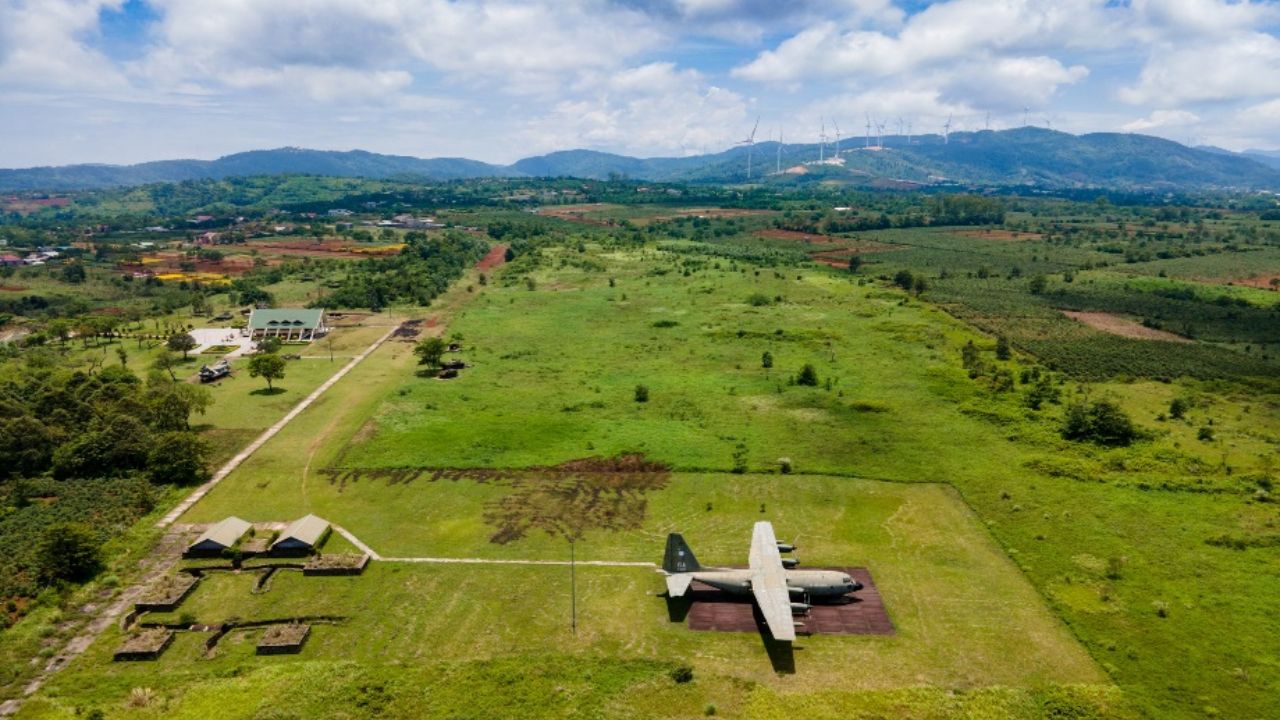
Quang Tri holds some of the most powerful war era sites in all of Vietnam, and the Ta Con Airport Relic Museum is right at the heart of that story. This place isn’t just another stop on a map, it’s a living record of one of the toughest campaigns of the Vietnam War, complete with preserved aircraft, tanks, and bunkers still standing on the grounds today.
Whether you’re drawn in by history, curious about the region’s transformation over the decades, or simply planning a full day trip through the DMZ, this guide covers everything you need, from the background of the Khe Sanh Campaign to nearby sites worth pairing with your visit. Let’s dive in.
Ta Con Airport Overview
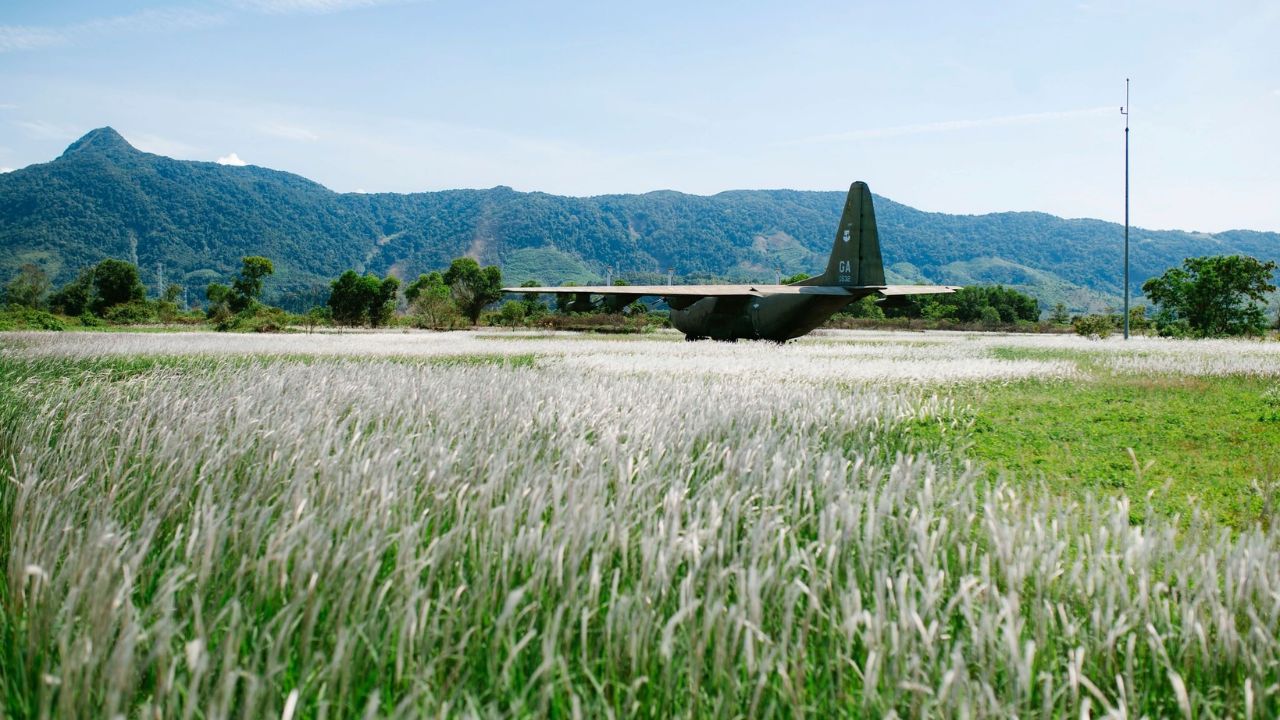
Ta Con Airport sits quietly in Tan Hop commune, right in the heart of Huong Hoa district, Quang Tri province. It’s not far from Khe Sanh town, and honestly, the drive out there feels peaceful now, which is strange when you know what happened on this ground decades ago.
This place used to be a combat base. Today, though, it’s an open-air museum, and that shift from battlefield to memorial is what gives it such a heavy, honest feeling. Nothing here is dressed up for tourists. The rusted tanks, the cracked runway, and the bunkers are left mostly as they were, and I like that. It feels real, not staged.
If you’re wondering whether it’s worth the detour, I’d say yes, especially if you care about learning something rather than just snapping photos. It’s one of those Huong Hoa district attractions that quietly teaches you more than a textbook ever could.
History of Ta Con Airport During the Vietnam War
Back in 1964, General Westmoreland recognized that Khe Sanh held major strategic value, somewhat similar to Dien Bien Phu years earlier. Because of that, the U.S. military built a base here to block Vietnamese Army movement along the Ho Chi Minh trail. It sounds simple on paper, but the reality turned out to be anything but.
The Khe Sanh Campaign
From February to July 1968, this location became the center of the Khe Sanh Campaign, one of the fiercest chapters of the war. The base sat surrounded by mountains, almost like it was resting inside a bowl, and that geography made it painfully exposed. Vietnamese forces used this to their advantage, and the fighting stretched on for 170 brutal days.
Comparing It to Dien Bien Phu
Many historians, and honestly a lot of visitors too, compare this Khe Sanh combat base to the earlier Battle of Dien Bien Phu in 1954. Both moments showed how a fortress built by a foreign army can become a trap rather than a shield.
The Withdrawal
By June 26, 1968, U.S. command ordered a full withdrawal from Khe Sanh. That single decision marked the campaign as one of the most studied examples of Vietnamese military strategy in modern history. Standing there today, it’s hard not to feel a little emotional knowing how much happened on that quiet strip of land.
What to See at Ta Con Airport Today
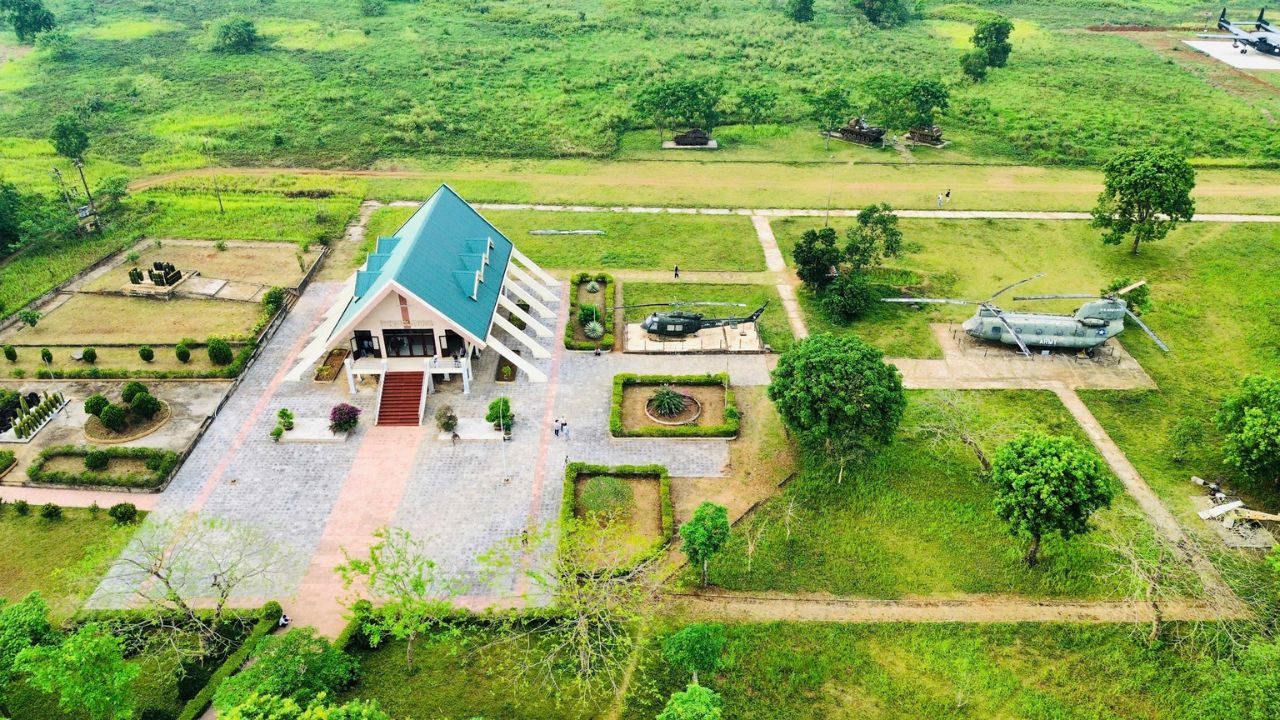
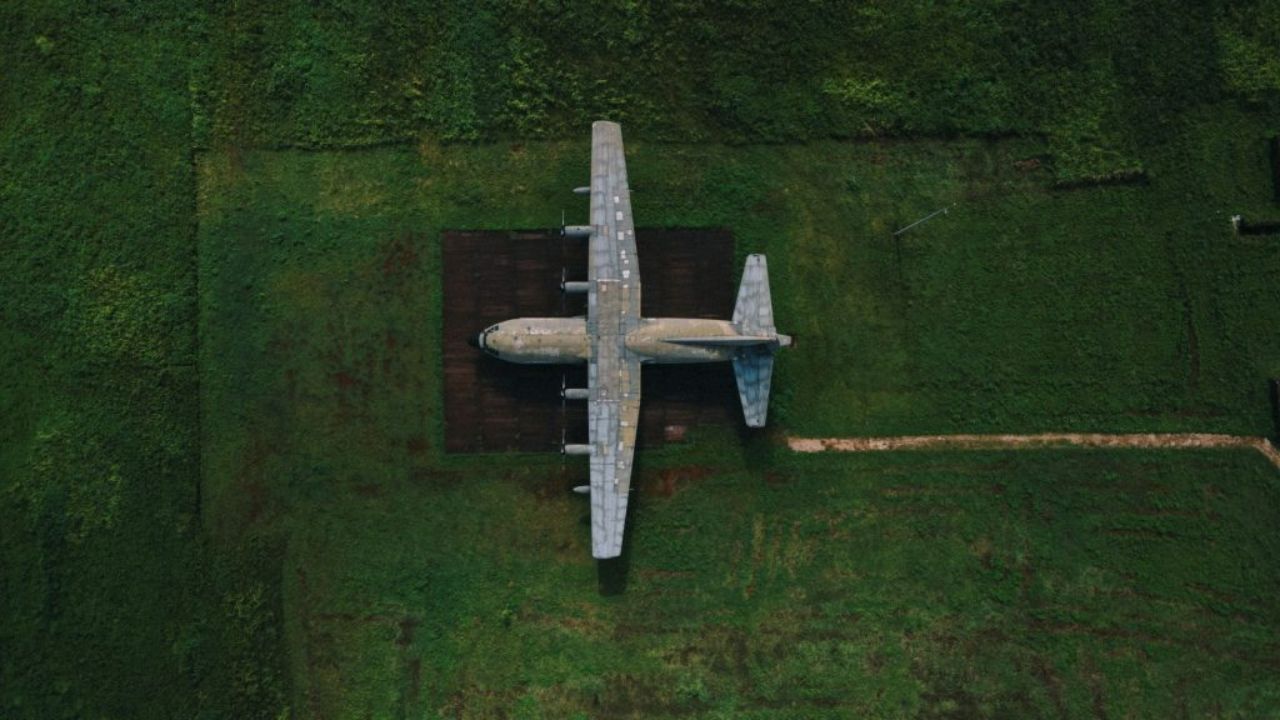
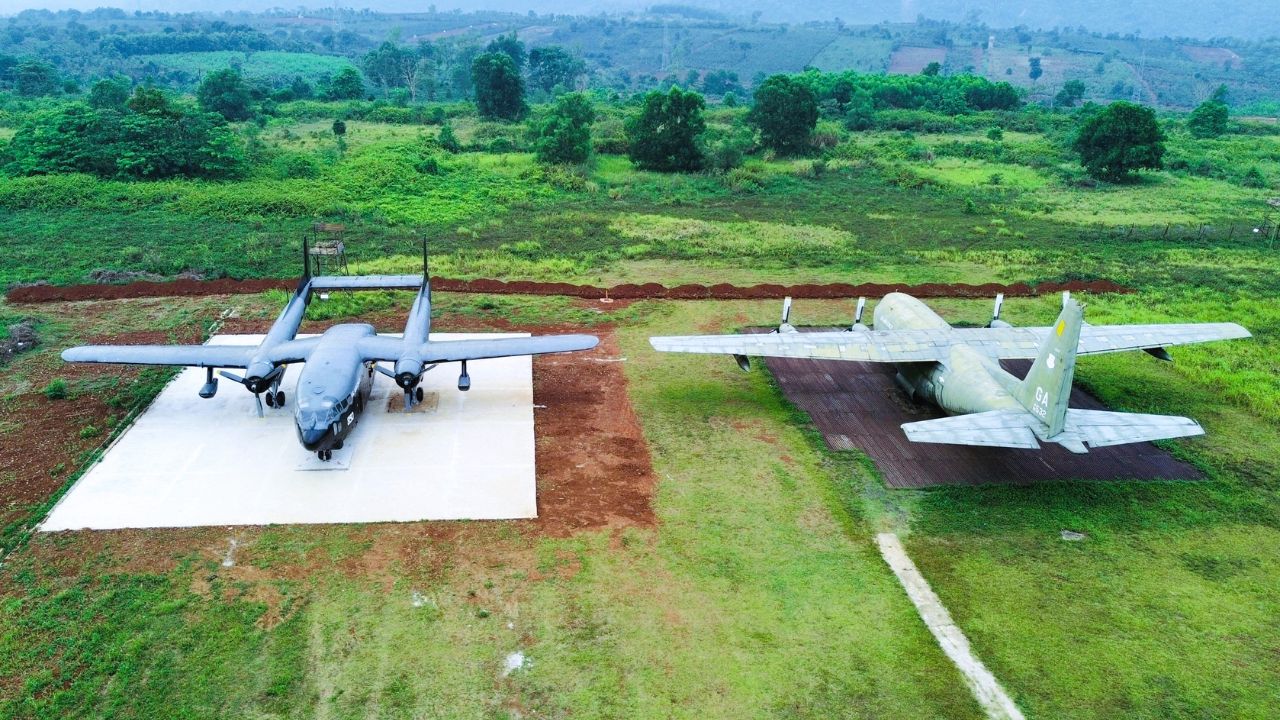
You’ll find preserved aircraft and tanks scattered around the grounds, remnants that once belonged to what was considered the most powerful military force of the 20th century. Grass has grown around most of them now, which somehow makes the scene feel calmer than sad.
You can also walk through:
- Old airport shelters and underground bunkers
- Sections of the original runway
- Small display areas with photos and artifacts from the Battle of Quang Tri
Nearby Historical Sites Worth Visiting
Since you’re already out here, it makes sense to explore a bit more. A few places sit close enough that you shouldn’t skip them.
- Lao Bao Border Gate, which leads straight into Laos and gives you a nice view of the border crossing.
- Lao Bao Prison, a heavier but important historical stop.
- Lang Vay Base Area, another Vietnam War relics site connected to the same campaign.
These spots pair naturally with Ta Con, and honestly, most DMZ tours group them together for a reason. They tell one continuous story if you visit them in order.
How to Get to Ta Con Airport
Getting there isn’t complicated, which surprises a lot of first time visitors. Most people combine it with a wider DMZ route since it’s not a stand alone destination people usually drive to on its own.
If you’re staying nearby and want to plan a fuller day out, I’d also suggest checking out some local attractions worth exploring first before heading toward the DMZ area, since a well planned route saves you a lot of driving time.
Visiting Ta Con Airport as Part of a DMZ Tour

Most travelers, myself included when I first went as a guide, experience this site through an organized Quang Tri DMZ tour. These tours usually depart from Hue, Dong Hoi, or Phong Nha, and they string together several major stops in one day.
Expect the route to include:
If you don’t want to join in a tour, you can hire a private transfer with stops during traveling with your own pace:
Why Ta Con Airport Matters as a Historical Site
I’ll be honest, some tourists tell me they didn’t expect to feel much at an old airport. Then they leave completely different. This place isn’t flashy, and it doesn’t try to be. It simply shows what happened, without exaggeration.
Compared to other war memorials I’ve visited, I like that Ta Con doesn’t feel commercial. It’s not like the polished museums you find in bigger cities. It feels closer to a demo of raw history, almost like a sample of what the whole war looked like on the ground. And for anyone genuinely curious about Vietnam’s past, that honesty is worth more than any fancy display.
FAQs About Ta Con Airport
Is Ta Con Airport worth visiting if I’m not a history buff?
Yes, I think so. Even without deep historical knowledge, the atmosphere alone teaches you something.
How long should I spend there?
I’d recommend at least 45 minutes to an hour to see the tanks, bunkers, and displays properly.
Can I visit without joining a tour?
Technically yes, but most travelers combine it with a DMZ tour since the surrounding sites are spread out.
Is it suitable for kids?
It can be educational, though some war imagery might feel intense for very young children.
What should I bring?
Water, comfortable shoes, and sun protection, since a lot of the site is outdoors with little shade.
If you ask me, Ta Con Airport isn’t just another stop on a checklist. It’s a quiet reminder of how much this region has lived through, and standing there gives you a perspective that photos alone never could. Whether you’re a serious history lover or just someone passing through Quang Tri, I genuinely believe this place leaves a mark.