


Things to do
Quang Tri Ancient Citadel: Vietnam’s Most Moving War Site
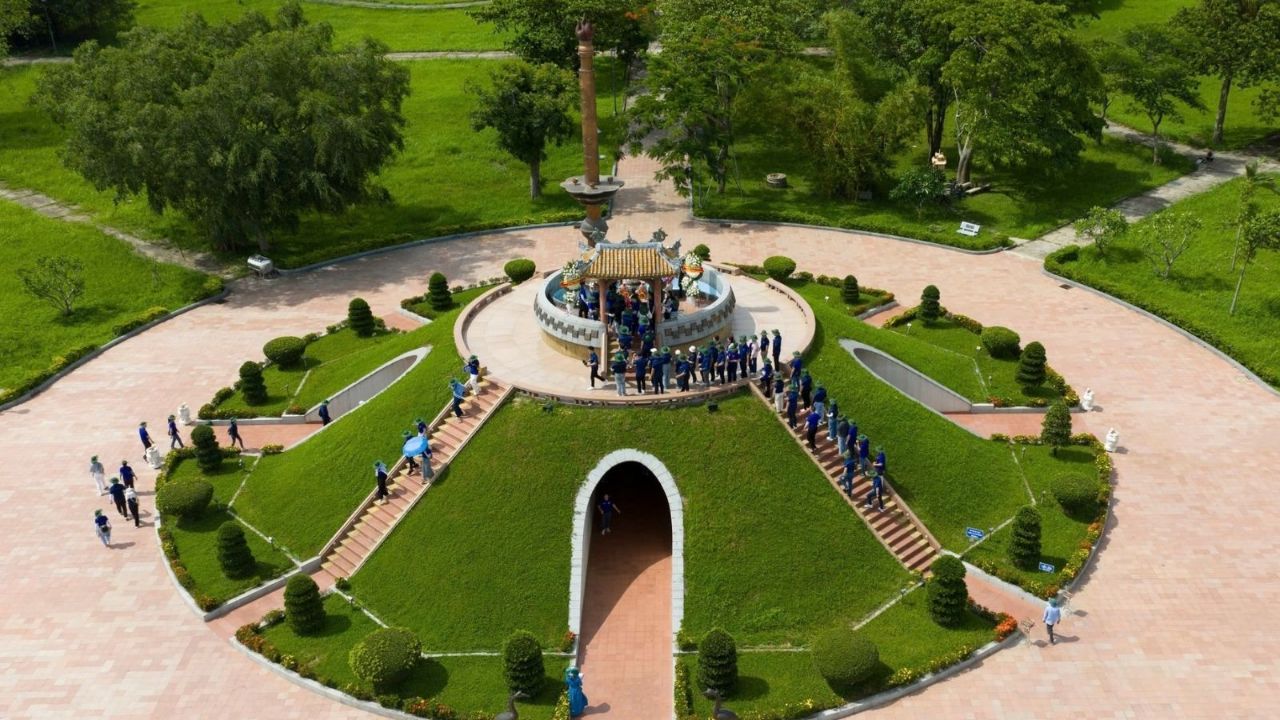
If you’re planning a trip through central Vietnam, the Quang Tri Ancient Citadel deserves a spot on your list. This old fort sits quietly on the bank of the Thạch Hãn River, right in the heart of Quảng Trị town, and honestly, it’s one of those places that stays with you long after you leave. Built during the Nguyễn dynasty and later caught in the middle of the Vietnam War, the citadel carries layers of history that most travelers never expect to find in such a small town.
In this guide, I’ll walk you through its origins, the brutal 81 days and nights battle that shaped its legacy, the architecture that still stands today, and why locals treat this ground with such deep respect. So grab a coffee, and let’s dig into the story of this remarkable site together.
What Is the Quang Tri Ancient Citadel?
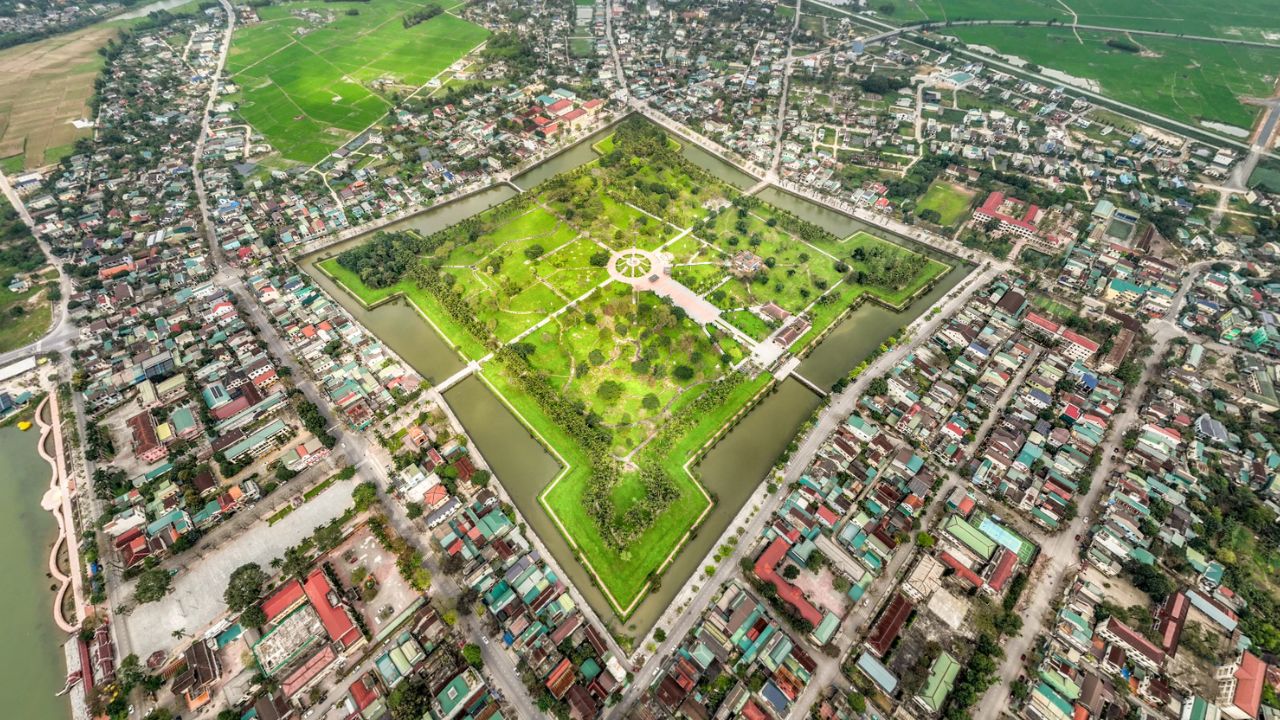
The Quang Tri Ancient Citadel, known locally as Thành cổ Quảng Trị, is a nineteenth-century fort that once served as an administrative center for the Nguyễn dynasty. Later on, it became a base for the French colonial regime, and eventually the American backed southern government used it too. So basically, this one small piece of land witnessed three different powers pass through it, which is kind of wild when you think about it.
What makes it stand out even more is its recognition as a Special National Site of Vietnam, grouped together with seven other locations that commemorate the Second Battle of Quang Tri.
I remember visiting this place for the first time as a kid on a school trip, and even then, something about the quiet atmosphere felt different from other historical spots I had seen. There’s a heaviness here that you can’t quite explain until you’re standing in it yourself.
The History of Quang Tri Citadel Through the Dynasties
Origins Under Emperor Gia Long
The story starts with Emperor Gia Long, who ordered the original citadel built in Tiền Kiên ward. But in 1809, wanting to protect the northern flank of the capital Phú Xuân, he decided to relocate it to Thạch Hãn commune, which is exactly where it stands today. This move wasn’t random either.
Gia Long saw the location as politically, economically, and militarily strategic, and looking at the map now, you can understand why. The river gave the citadel natural protection while also keeping it close enough to trade routes and administrative centers.
Rebuilding Under Emperor Minh Mạng
Here’s something interesting that most visitors don’t know. The citadel wasn’t always made of brick. Originally, it was built using rammed earth, a common technique back then.
However, in 1887, Emperor Minh Mạng ordered a full rebuild using baked bricks instead. And to hold those bricks together, workers used a mix of lime, molasses, and other natural additives. That combination might sound unusual today, but it worked well enough that parts of the original structure survived for over a century.
The Nguyễn Dynasty and French Colonial Period
Between 1809 and 1945, the citadel functioned as both a military base and an administrative headquarters under the Nguyễn dynasty. Then, starting in 1929, the French colonial regime added prison facilities within the walls, using the site to hold political opponents.
So beyond being a defensive structure, the citadel also became a place of confinement and resistance, adding yet another layer to its complicated history.
The 81 Day and Night Battle of 1972
Background and Lead Up to the Battle
After the Dien Bien Phu victory in 1954, the Geneva Accords split the country at the 17th parallel, right through Quang Tri Province.
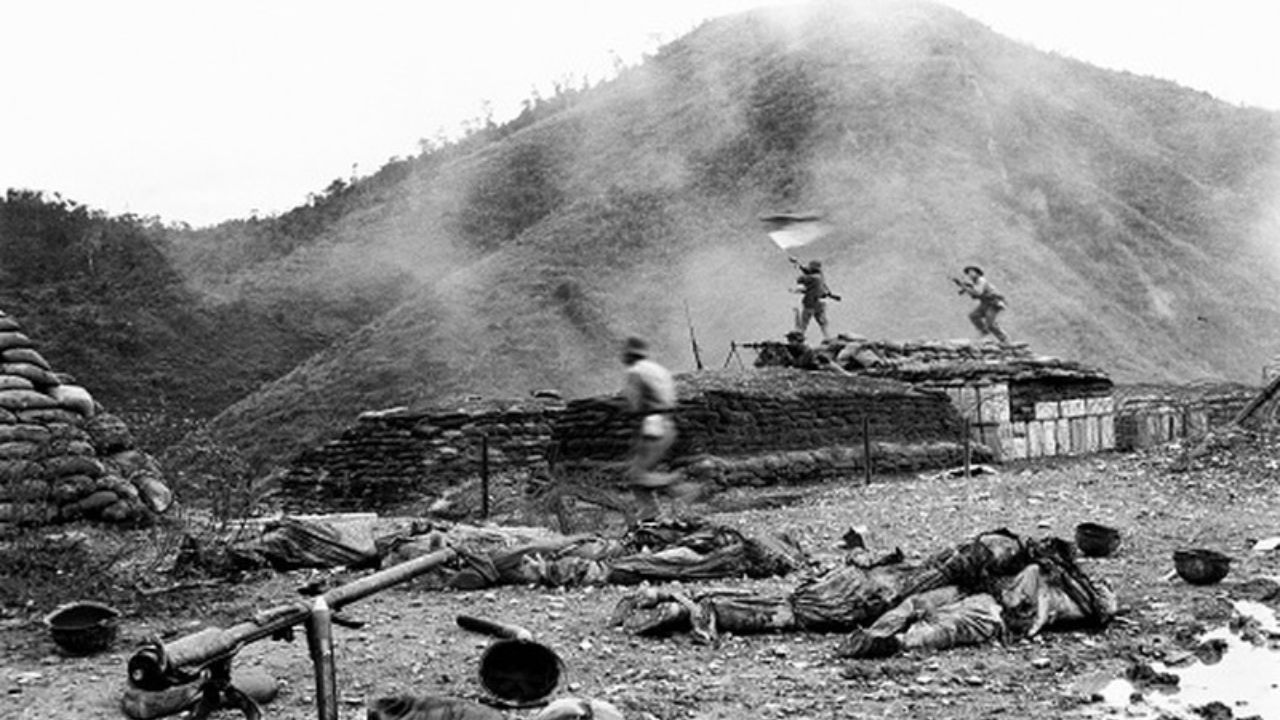
Years later, in early 1972, the Liberation Army of South Vietnam launched a major offensive, and by May they had taken control of the entire province. Mid June brought a counteroffensive from the Republic of Vietnam Army, partly timed around negotiations tied to the Paris Agreement, with the citadel sitting right at the center of the fight.
The Battle for the Citadel
From June 28 to September 16, 1972, forces from the People’s Army of Vietnam defended the citadel against the Army of the Republic of Vietnam backed by American firepower. The numbers are staggering. Up to 20,000 artillery shells were fired daily over an area smaller than 3 square kilometers, and estimates put total ordnance used near 328,000 metric tonnes.
I cannot think of a comparable example anywhere else in Vietnam where destruction on this scale happened in such a small footprint.
Locals still call this land linh thieng, or sacred land, because they believe every inch of soil holds both unexploded ordnance and the remains of soldiers from both sides.
Aftermath and Human Cost
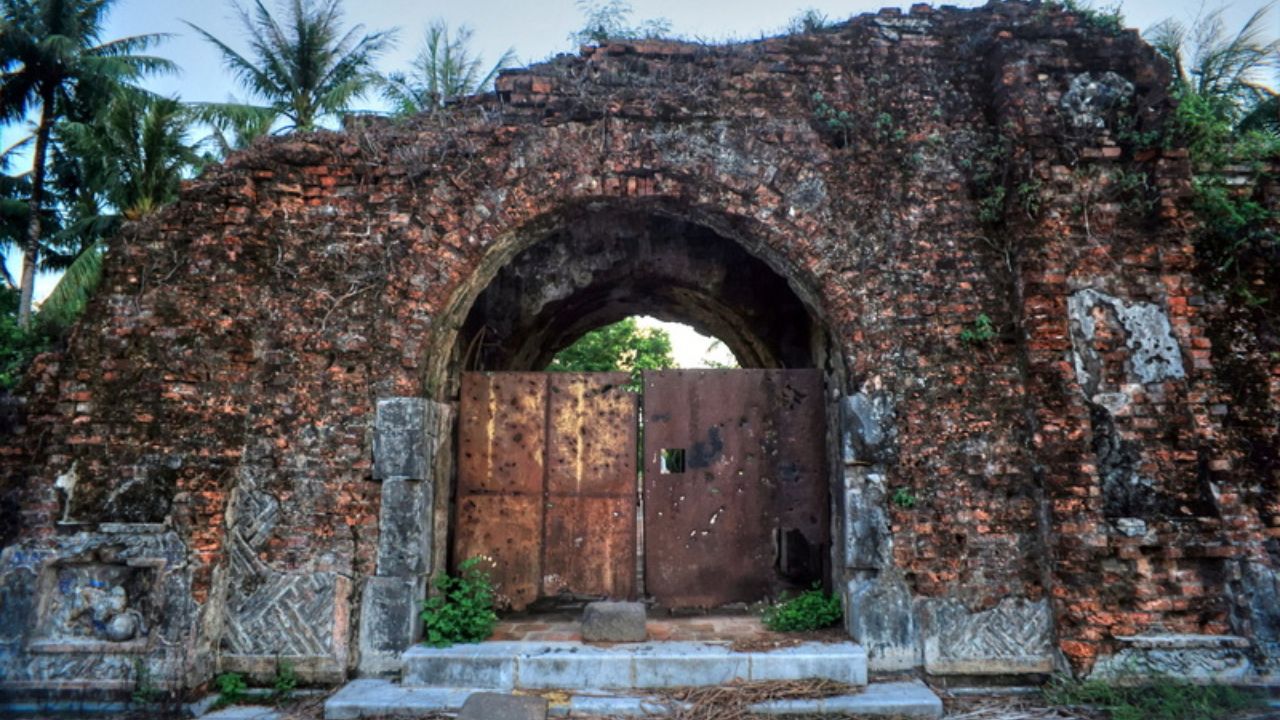
More than 4,000 soldiers died defending the citadel. After the fighting ended, almost nothing remained standing except fragments of the rampart and a few bullet scarred brick walls. That is why people describe it as a cemetery without graves, a phrase that still gives me chills every time I hear it from an older relative who lived through that era.
Architecture and Design of the Citadel
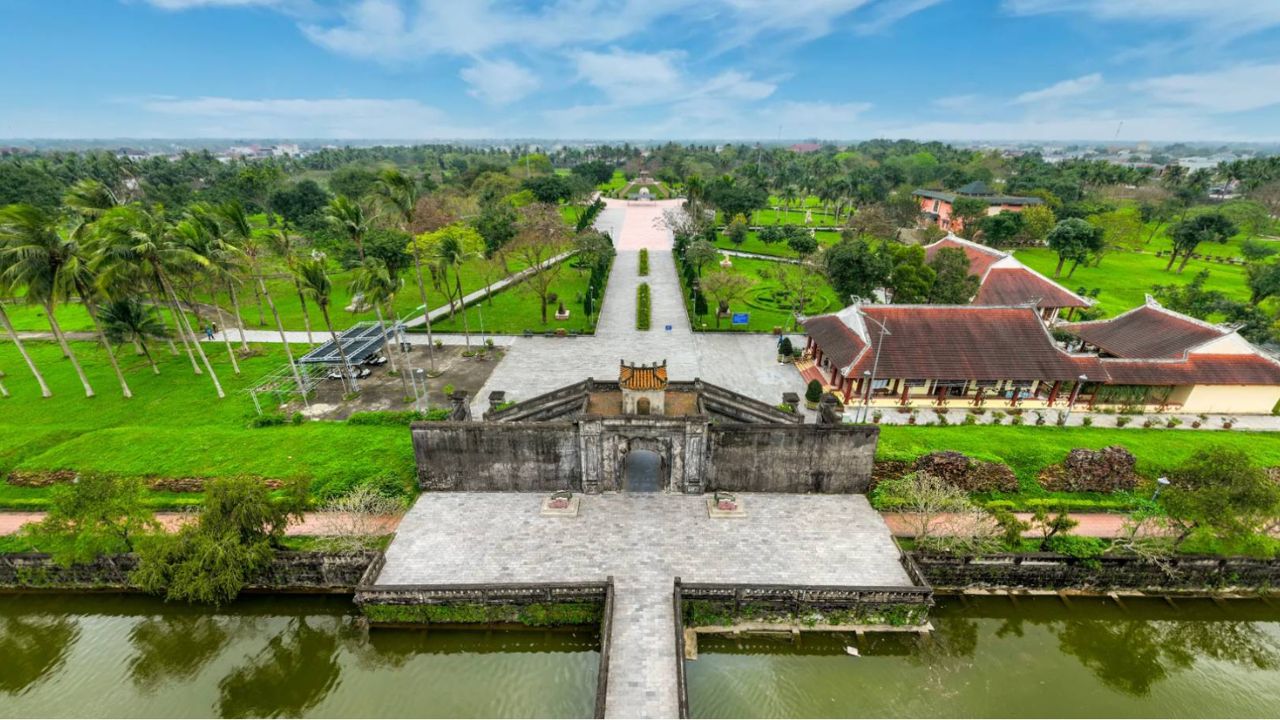
The citadel follows Vauban architecture Vietnam style, a French military fortress design created by engineer Sebastien Le Prestre de Vauban, yet it also carries clear Vietnamese touches.
Some quick facts worth knowing:
- The citadel has a square shape with a circumference of roughly 2,000 to 2,160 meters
- Walls stand about 4 meters high and reach up to 13.5 meters thick at the base
- A flooded moat and bastions on each corner reinforce the defense system
- Four main gates open toward the four cardinal directions, each topped with a curved tile roof
- Total area covers about 18.56 hectares, making it the largest park in Quang Tri Town today
If you compare it to European fortresses I have seen in photos, the layout looks similar, symmetrical, boxy, defensive. But the roof details and brickwork give it a distinctly local feel, not a copy paste European design at all.
Why Quang Tri Citadel Is Considered a Spiritual Land

Locals here call the citadel a spiritual land, and honestly, once you understand why, it makes complete sense. Many believe that every inch of soil within these walls still contains leftover ordnance, but more importantly, it holds the blood and bones of soldiers from both sides of the conflict. It’s not something people say lightly.
I’ve walked through this park many times, and there’s always a certain stillness in the air, even when it’s crowded with tourists. Some visitors light incense near the memorial without needing to be told to. It’s just something that feels right here. This isn’t a place you rush through. It’s a place you sit with for a while.
The Memorial and Museum Inside the Citadel
At the center of the citadel stands a memorial dedicated to the 81 days and nights of 1972. It’s simple in design, but it carries enormous meaning for those who understand what happened here.
Nearby, the Museum of the Ancient Citadel of Quảng Trị preserves items connected to the battle, including unsent letters written by soldiers to their families. Reading through translated excerpts of these letters, even secondhand, is genuinely moving. If you want to fully appreciate the citadel, don’t skip this museum. It adds context that the outdoor walls alone can’t fully capture.
If you’re building out a longer central Vietnam itinerary, I’d also recommend checking out this guide on must try local experiences near Phong Nha, since many travelers combine both regions into one trip.
Restoration and Recognition as a Special National Site
During the 1990s, the People’s Committee of Quảng Trị province took on the restoration of the citadel. Sections of the original walls were repaired, and all four main gates were rebuilt to reflect their historical design. This effort eventually led to the site’s recognition as one of Vietnam’s Special National Sites, alongside seven other locations tied to the Second Battle of Quang Tri.
Today, the citadel also functions as the largest park in Quang Tri Town. Families gather here in the evenings, children play near the memorial grounds, and life continues on top of ground that once saw so much loss.
Nearby Attractions
Once you are done walking around Quang Tri Ancient Citadel, I always tell visitors not to rush back to the hotel right away, because there is quite a bit worth seeing nearby if you have a spare afternoon.
- Long Hung Church, just a short drive from the citadel, is another war scarred landmark, its bullet riddled walls left standing on purpose as a reminder of the same 1972 battle.
- Hien Luong Bridge and the Ben Hai River, the old dividing line between North and South Vietnam, sits about 30 minutes north and gives you a clearer picture of how the country was split during the war.
- Vinh Moc Tunnels, a lesser known cousin of the Cu Chi Tunnels, where entire villages once lived underground to survive relentless bombing campaigns.
- La Vang Pilgrimage site, a place of deep religious significance for Vietnamese Catholics, worth a stop if you are interested in the region’s spiritual history alongside its military past.
FAQs about Quang Tri Citadel
What is Quang Tri Ancient Citadel known for?
It’s known as the site of the Second Battle of Quang Tri during the Vietnam War, along with its Nguyễn dynasty history and traditional architecture.
How old is the citadel?
Construction near its current location began in 1809, though the citadel was rebuilt using brick in 1887 under Emperor Minh Mạng.
Is the citadel open to visitors?
Yes, it currently functions as a public park and historical site, complete with a memorial and museum open for exploration.
Why do locals call it a spiritual land?
Because of the belief that the soil still holds ordnance and the remains of soldiers who died during the battle, giving the site deep emotional significance.
Is there an entrance fee?
Most sections of the park are free, though the museum may have a small entrance fee depending on current local regulations.