


Attractions
Khe Sanh Combat Base: History, Battle & Visitor Guide
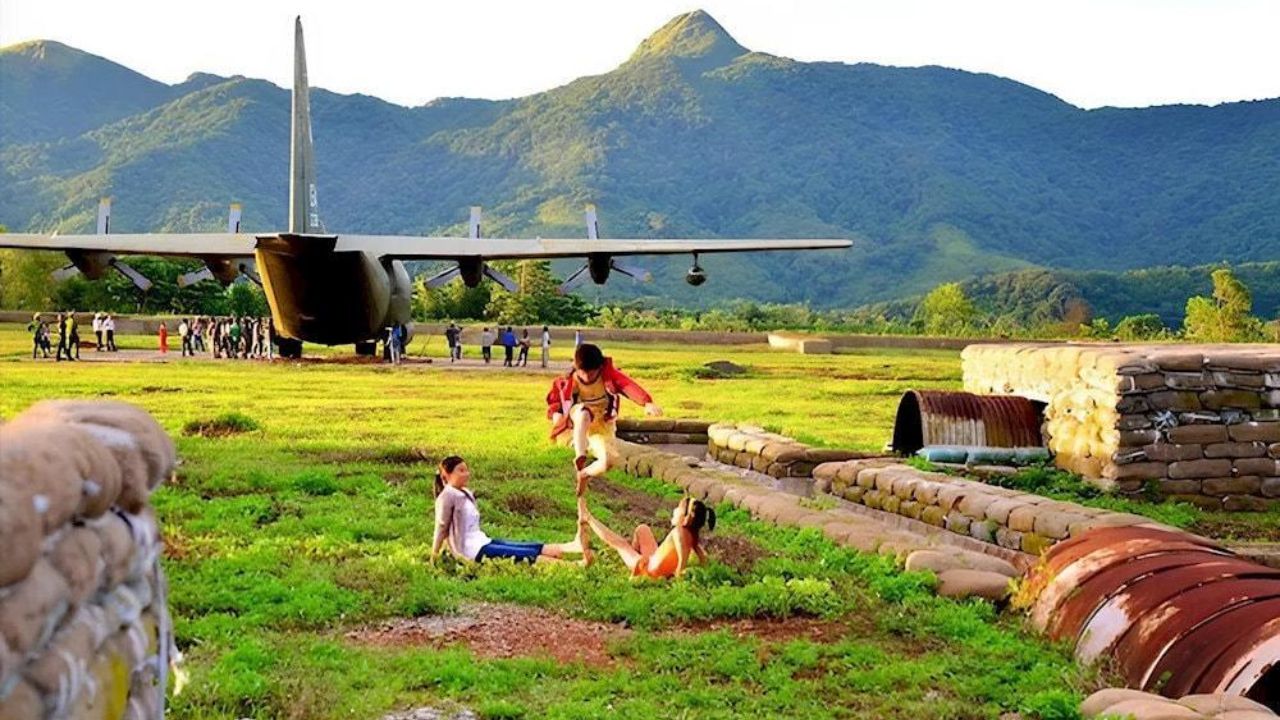
Khe Sanh Combat Base sits quietly in Quang Tri Province today, but back in 1968 it was one of the loudest places on earth. If you are planning a trip through central Vietnam and you want more than beaches and coffee shops, this old Vietnam War battle site deserves a spot on your list.
In this guide, I will walk you through the history of the Combat Base, the story behind the Battle of Khe Sanh, what you can actually see there now, how to reach it, when to go, and a few nearby stops that pair nicely with the visit. I grew up in this region, so I am not just repeating facts from a brochure. I am sharing what I know as someone from here.
What Is Khe Sanh Combat Base and Why Is It Significant?
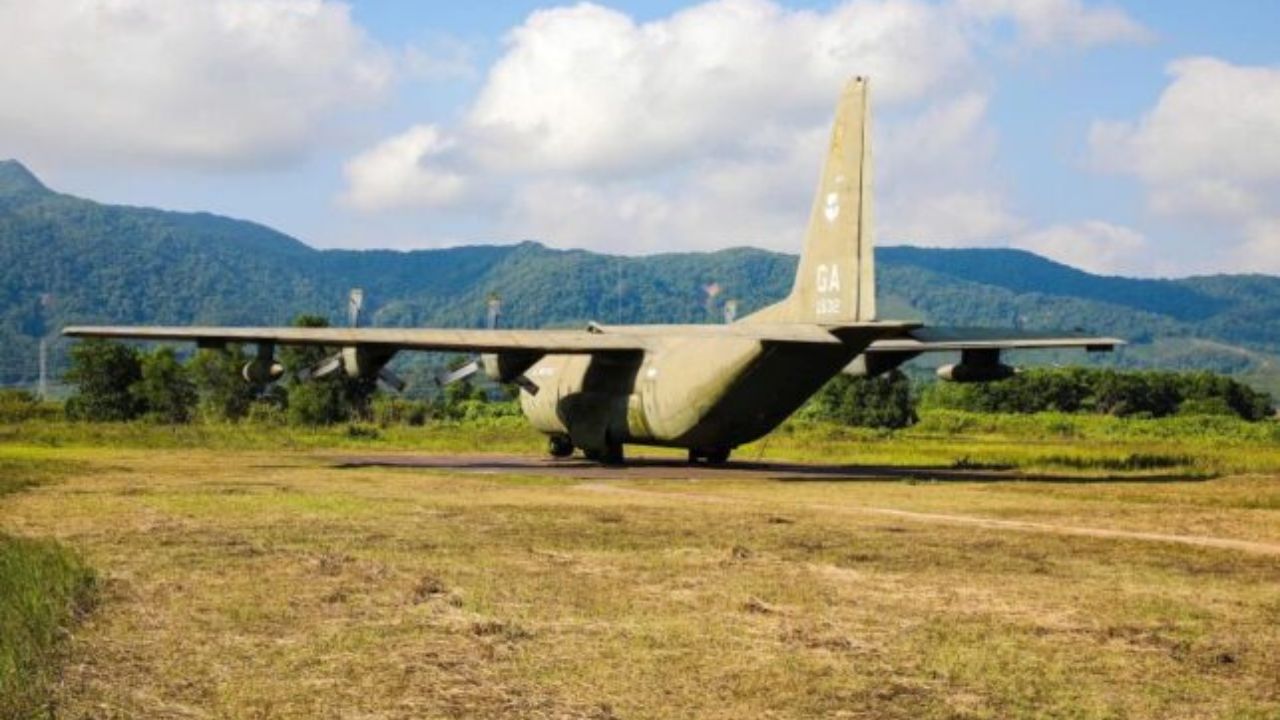
Khe Sanh Base was a U.S. Marine Corps base Vietnam built on the Khe Sanh Plateau, inside Huong Hoa District, Quang Tri Province. It sits roughly 20 kilometers from the Laos border, and that location was not random at all. The base was built near Route 9, which was the main road running east to west, connecting the coast of Vietnam all the way to Laos.
During the war, this road ran close to what people called the DMZ, or the Demilitarized Zone, so the whole area became a hot spot for military activity.
I like how the base still sits in a quiet valley today, almost like the land wants to forget what happened here, but the hills remember.
When I bring friends here for the first time, they are often surprised at how peaceful it feels, since photos from the war make it look like a wasteland. Nature has taken some of it back, and that contrast hits harder than any museum sign could.
The History of Khe Sanh Combat Base
Long before the Americans arrived, French colonial forces used this area back in the 1940s. It was not until 1962 that the U.S. Marine Corps developed it into a proper military base.
The location made sense from a strategic point of view because it sat close to the Ho Chi Minh Trail, which was the supply route used by North Vietnamese forces. Watching over that trail was part of a bigger U.S. defense plan known as the McNamara Line.
If you are into Quang Tri Province history, this is where a lot of it comes together. The base was not an isolated fort. It was one piece of a much larger puzzle involving supply lines, border monitoring, and control over Route 9 Vietnam has always depended on for movement between regions.
The Battle of Khe Sanh (1968)
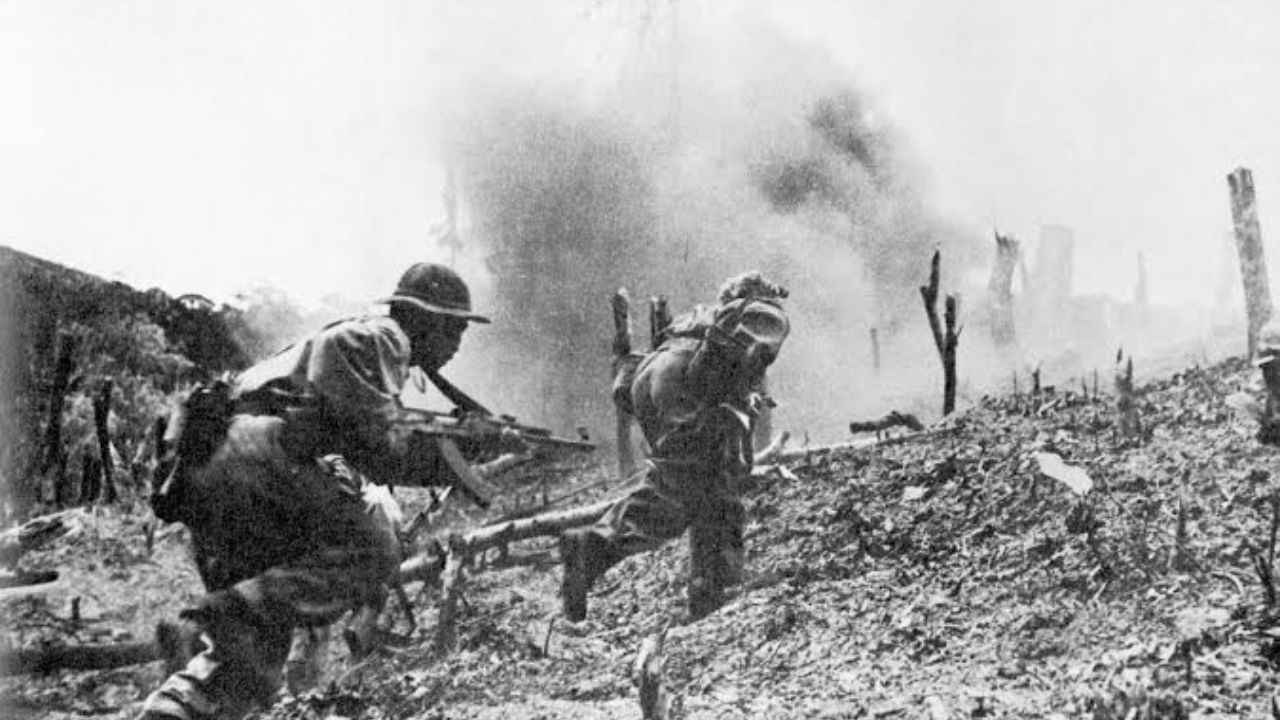
Here is where the story gets intense. In early 1968, more than 20,000 North Vietnamese Army troops surrounded about 6,000 U.S. Marines and South Vietnamese soldiers stationed at the base. What followed was a siege that lasted 77 days straight. I cannot imagine being trapped somewhere for that long while shells fall around you, and honestly, neither can most people who visit today.
During this time, the U.S. carried out Operation Niagara, dropping more than 100,000 tons of bombs in one of the heaviest air campaigns of the entire war. The Khe Sanh siege became one of the most talked about events of 1968, and many historians still study it as a textbook example of siege warfare.
Despite holding the base through the siege, U.S. forces pulled out of Khe Sanh just months later. That decision still sparks debate among historians about whether the defense was worth the cost.
Why the Battle of Khe Sanh Still Matters
This is not just old news buried in textbooks. The Battle of Khe Sanh 1968 is often used as a case study for asymmetrical warfare, meaning a smaller or less equipped force finding ways to outlast a much stronger opponent. The North Vietnamese Army did not have the same firepower as the Americans, yet patience, terrain knowledge, and persistence carried real weight.
I think that is the part that sticks with visitors the most, more than the numbers or the dates. Standing here, you start to understand that war is not only won with weapons. Endurance matters just as much, and that lesson still applies far beyond military history.
What to See Inside Khe Sanh Base Today
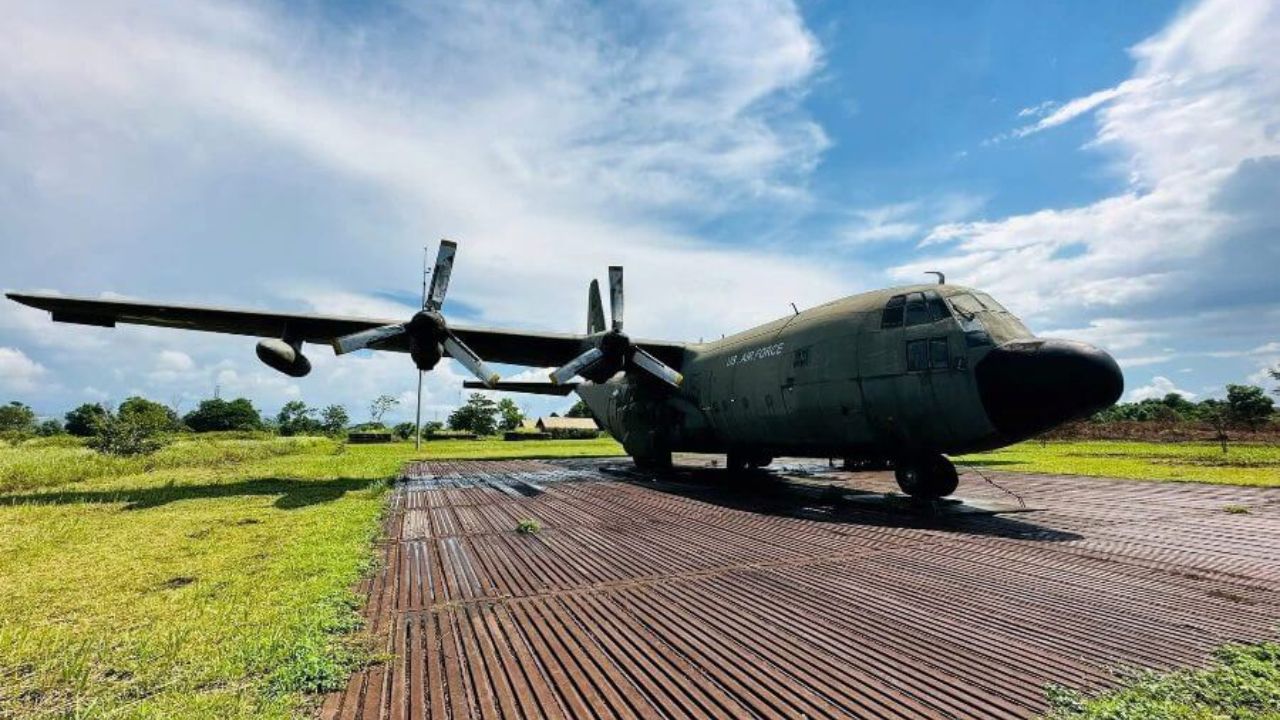
Now let us talk about what you will actually see when you show up. This is a Vietnam War historical site, so do not expect flashy displays. Expect something raw and honest instead.
- Reconstructed underground bunkers, which show how tight and dark the living conditions were during the siege. Walking through one felt claustrophobic within seconds, and I have visited plenty of times.
- The old runway, once used for supply planes and evacuations. Part of it is overgrown now, but you can still trace the shape of it.
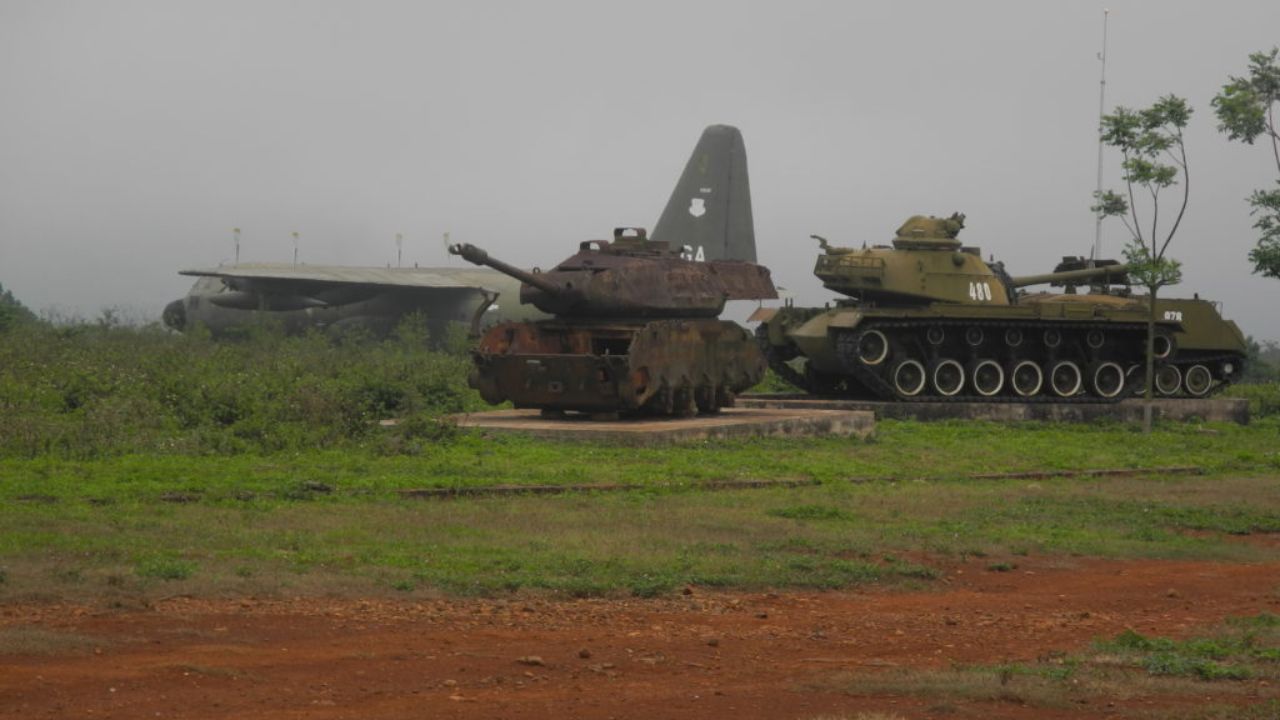
- Military artifacts, including tanks, aircraft, and old artillery pieces scattered around the grounds.
- An onsite Khe Sanh museum, with photos, uniforms, and personal items from both American and Vietnamese soldiers. I like that it shows both sides fairly, instead of only one perspective.
If you want a demo of how heavy this history feels in person, just stand near one of the old tanks for a minute without saying anything. It changes how you see the rest of the site.
How to Get to Khe Sanh Combat Base
Getting here is easier than people expect. If you are coming from Hanoi, Ho Chi Minh City, or Da Nang, flying into Da Nang International Airport or Phu Bai Airport in Hue is your best bet. From either city, you can continue by bus or private transfer into Quang Tri Province.
Once you reach Dong Ha, the city of Quang Tri, the rest of the trip is simple. Khe Sanh sits about 63 kilometers west along Route 9, and the drive itself is honestly one of my favorite parts. You pass green hills, small villages, and long stretches of road that used to run parallel to the old DMZ.
Local buses heading toward Lao Bao Border Gate also pass near Khe Sanh, though schedules can be unpredictable, so I usually recommend private transport if your time is limited.
| If you need a reliable transport from Hue or Da Nang to Quang Tri Province, our team at Phong Nha taxi is happy to help arrange the drive so you can focus on the experience instead of the logistics. |
Best Time to Visit Khe Sanh Combat Base
The weather here follows a typical tropical monsoon pattern, hot and humid most of the year, with average temperatures above 22°C. From my own experience, February through August is the sweet spot. Roads are easier to drive, visibility is better, and the surrounding hills look genuinely beautiful in the sunlight.
September through January brings the rainy season, along with occasional storms. I do not like recommending a visit during these months, since slippery roads and poor visibility can turn a peaceful trip into a stressful one.
Nearby Attractions
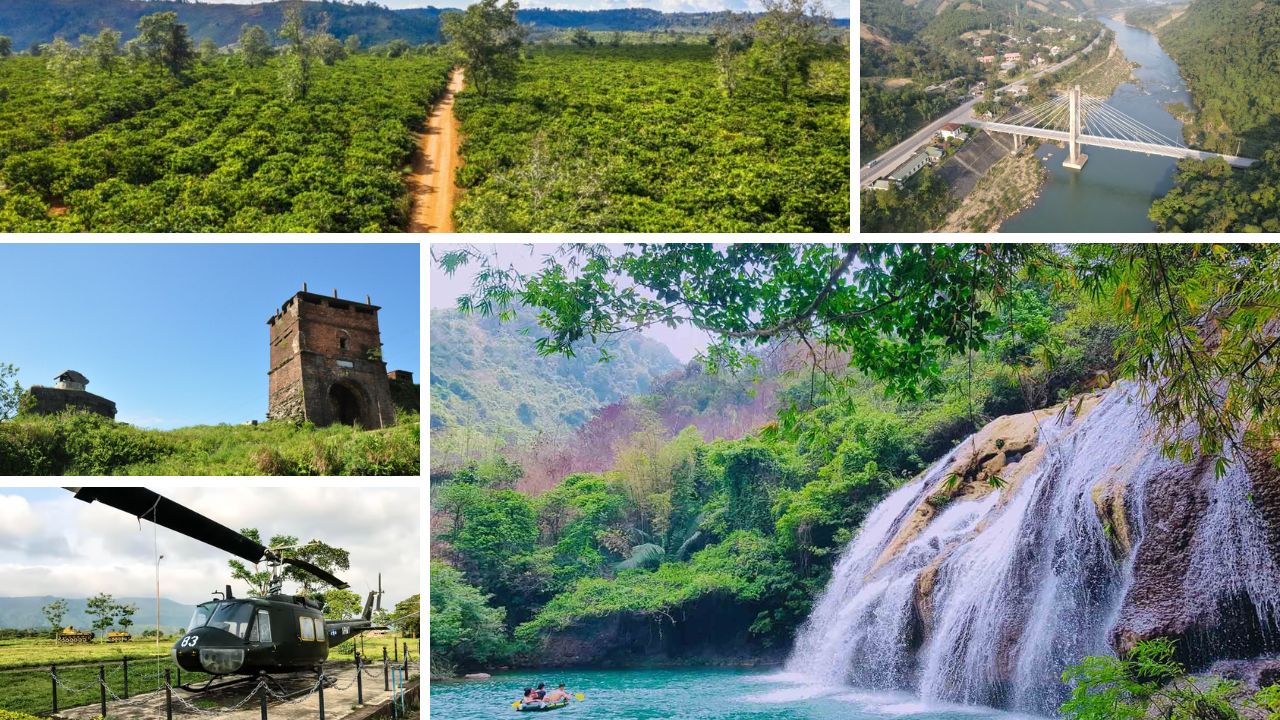
Since you are already out this way, it makes sense to add a few more stops. Here are three I personally enjoy recommending.
- Khe Sanh Coffee Hills, just 5 to 10 kilometers away. The cool climate here produces excellent Arabica coffee, and walking through the plantations while chatting with local farmers is one of my favorite quiet moments in this region.
- Lang Vay Special Forces Camp, about 9 kilometers west. This was once a U.S. Special Forces camp that was overrun by North Vietnamese Army tanks just weeks after the Khe Sanh siege began, a rare tank assault during the war. It is quieter now, with only bunker remnants and a small memorial.
- Ta Puong Waterfall, roughly 60 kilometers from Khe Sanh. If you need a break from history, this spot offers clear water, forest trails, and a peaceful setting near the Laos border. It still feels untouched compared to busier tourist areas.
- Ta Con Airport Relic Museum: Sitting right on the grounds of the old Khe Sanh Base, this museum displays preserved war planes, tanks, underground bunkers, and old trench lines. It opens every day from 7:30 AM to 5:00 PM, and you’ll pay a small entrance fee to get in.
- Đa Krong Bridge: An old suspension bridge on Route 9, marking the spot where the eastern branch of the famous Ho Chi Minh Trail began. It’s a quiet but meaningful stop for anyone tracing the historical route.
If you plan to spend more days exploring central Vietnam beyond Quang Tri, I would also suggest checking out our guide on top attractions worth exploring in Phong Nha, since the caves and scenery there pair well with a history focused trip like this one.
A visit to the Combat Base is not just about walking through an old battlefield. It gives you a real sense of what people lived through, and it connects you to Vietnamese history in a way photos alone cannot do. Between the bunkers, the museum, and the surrounding hills, this trip stays with you long after you leave.
FAQs about Khe Sanh base?
What happened at Khe Sanh Base?
The site was the location of a 77-day siege in 1968, where North Vietnamese Army troops surrounded U.S. Marines and South Vietnamese forces stationed at the base.
How far is the Combat Base from Dong Ha?
It’s about 63 kilometers west of Dong Ha, reachable by car or motorbike along Route 9.
Is Khe Sanh Base worth visiting?
If you have any interest in Vietnam War battle sites or history in general, yes. It’s one of the most preserved and meaningful sites from that period.
What’s the best time of year to go?
February to August, when the weather is dry and travel along Route 9 is much easier.