


Attractions
How Many Days in Phong Nha Do You Really Need?
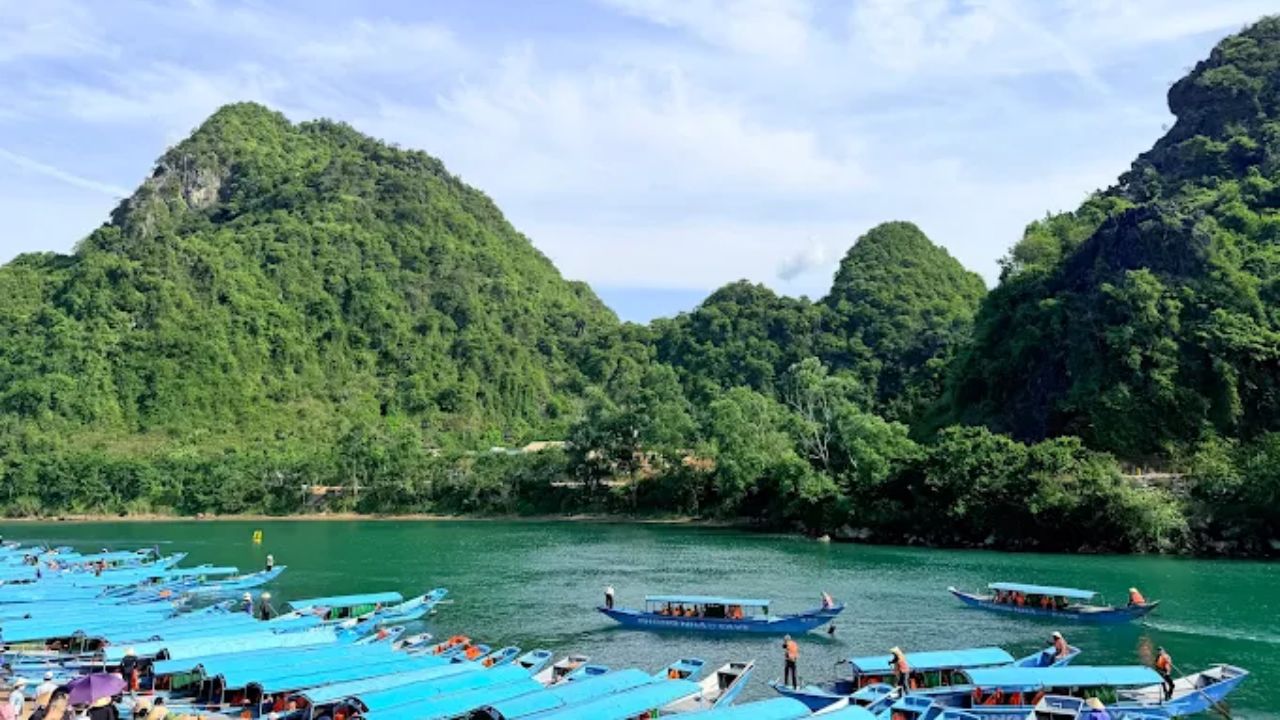
If you’re planning a trip to central Vietnam, chances are you’ve typed “how many days in Phong Nha” into Google more than once. It’s one of the most common questions travelers ask before visiting this UNESCO World Heritage site, and for good reason — Phong Nha-Ke Bang National Park is packed with caves, rivers, jungles, and countryside experiences, and it’s not always obvious how much time to set aside.
The short answer: most travelers should plan for 2 to 3 days in Phong Nha. But the right number for you depends on your travel style, budget, and how deep you want to go — literally, in some cases, hundreds of meters underground. Let’s break it down.
Why Phong Nha Deserves More Than a Day Trip
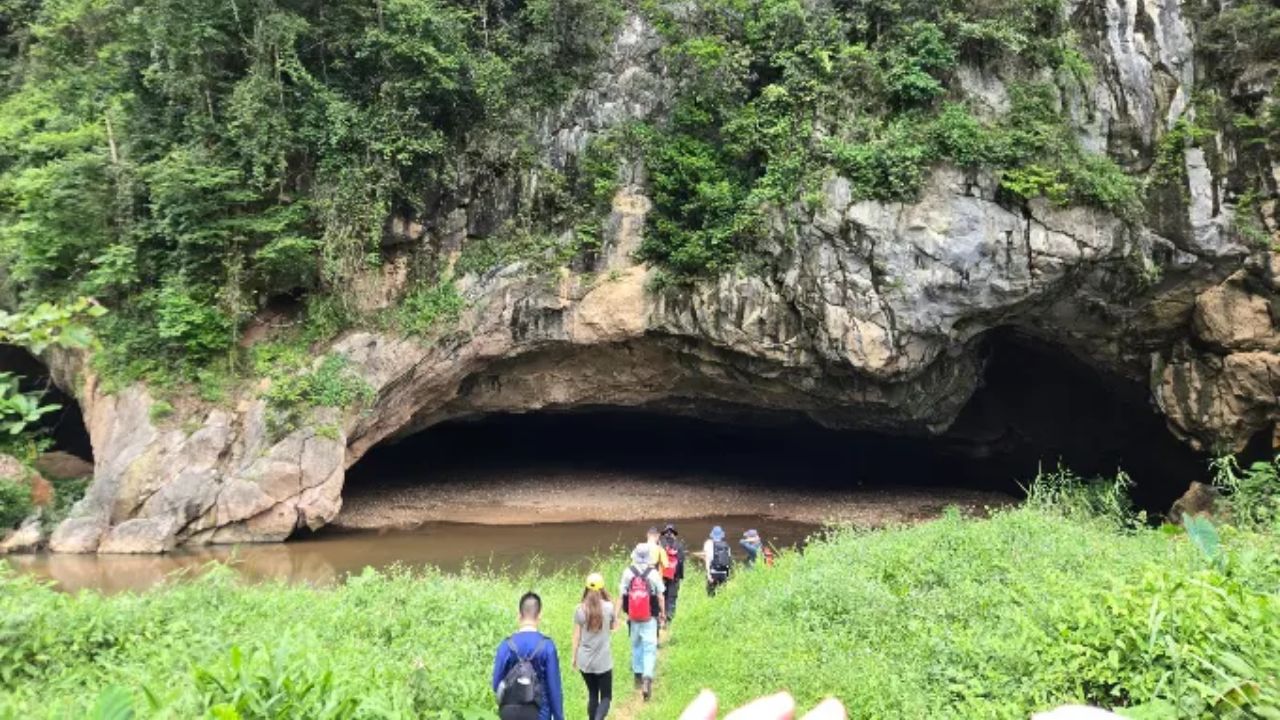
Phong Nha-Ke Bang National Park sits in Quang Tri Province and is home to over 300 caves, including some of the largest and most spectacular cave systems on Earth.
It’s tempting to treat it as a quick stopover between Hue and Hanoi, and yes, technically you can squeeze in a one-day visit. But doing so means rushing between sights, skipping the countryside entirely, and missing the relaxed pace that makes this region so special.
Most seasoned travelers agree: one day barely scratches the surface. Two days is the realistic minimum if you want to see the headline attractions without feeling like you’re on a conveyor belt.
The 2-Day Option: For Time-Pressed Travelers
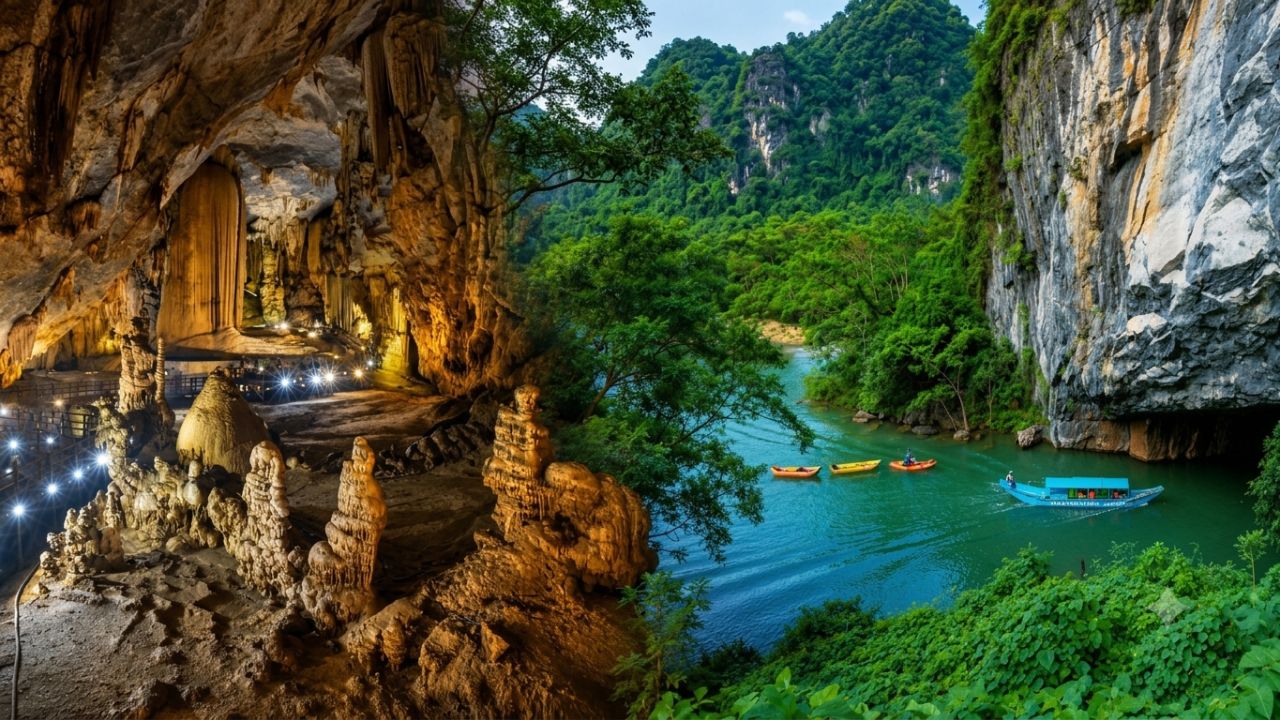
If you only have two days, you can still walk away with a genuinely memorable trip. A typical two-day plan looks like this:
Day 1: Visit Phong Nha Cave, accessible by a scenic boat ride along the Son River — one of the longest underground rivers in the world. In the afternoon, explore Paradise Cave (Thien Duong), a massive dry cave known for its towering stalactite formations. Round out the day with a stop at Dark Cave, where you can kayak, swim, and cover yourself in therapeutic mud.
Day 2: Spend the morning at Nuoc Mooc Eco Trail or the Botanical Garden for jungle walks and swimming in cool spring water, then head back toward town in the afternoon.
Two days works well if you’re combining Phong Nha with a longer Vietnam itinerary and need to keep moving. Just know you’ll be picking highlights rather than experiencing everything.
The 3-Day Option: The Sweet Spot for Most Travelers
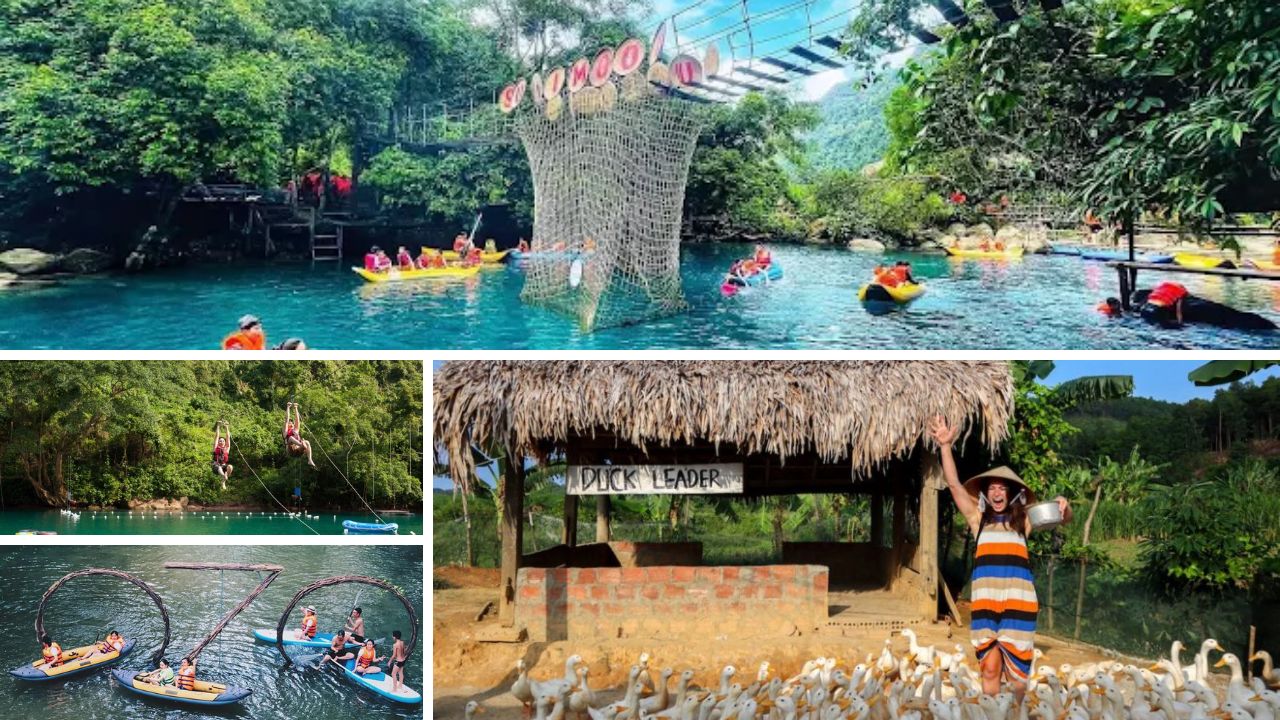
If you can spare an extra day, 3 days and 2 nights is widely considered the ideal amount of time in Phong Nha. It gives you enough breathing room to see the major caves, try a couple of outdoor activities like kayaking or zip-lining, and actually enjoy the countryside instead of just passing through it.
You’ll also have time to sample local food, chat with homestay hosts, and maybe catch a sunset over the karst mountains without checking your watch.
With a third day, you also have room to slow down for casual stops that a rushed 2-day trip usually skips.
Duck Stop Phong Nha, a relaxed countryside cafe set among rice paddies just outside town, is a favorite break for travelers cycling or driving through the local villages. It’s a great spot to rest, grab a coffee or fresh coconut, and take in the scenery before heading to your next cave or eco-park.
This pace suits families, couples, and first-time visitors who want a complete experience without pushing into hardcore trekking territory.
The 4+ Day Option: For Adventure Seekers
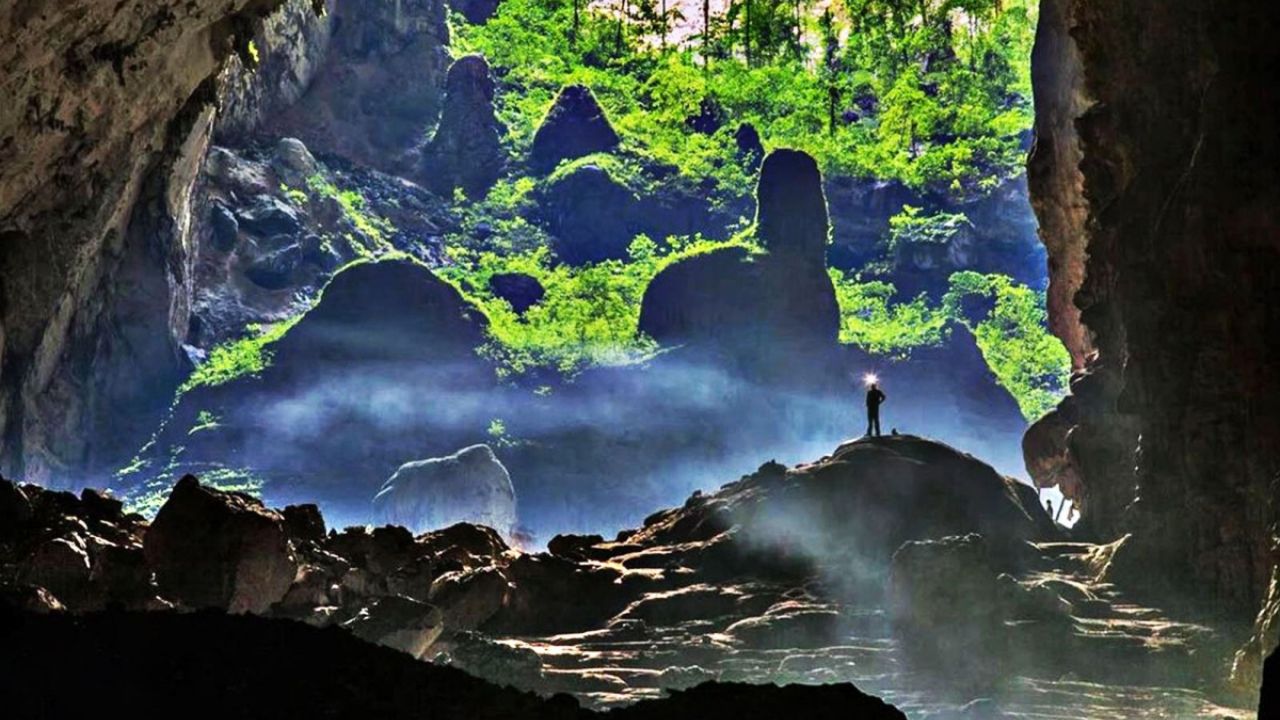
Have four days or more? Now you can go beyond the easily accessible caves and into genuine expedition territory. Multi-day treks to Hang En — the third-largest cave in the world — typically involve camping inside the cave itself, along with jungle trekking and river crossings.
Adventurous travelers with a few extra days can also look into permits and training for Son Doong Cave, the largest cave on the planet, though this requires significant lead time (often months of advance booking) and a solid fitness level.
If you’re the type of traveler who wants deep immersion rather than a checklist of sights, budgeting 4 to 7 days lets you slow down, explore lesser-visited corners of the national park, and mix in cultural stops in nearby villages.
Factors That Should Influence Your Decision
Your fitness level and interests.
If caving and trekking excite you, lean toward the longer end. If you’re more interested in boat rides, photography, and gentle walks, 2-3 days will cover it comfortably.
Season.
The dry season, roughly March through August, offers the best conditions for cave access, kayaking, and clear rivers, with April to June often cited as the ideal window. The rainy season from September to February can limit access to some caves and trails, so build in flexibility if you’re visiting then.
How you’re getting around.
Many of Phong Nha’s best sights — Paradise Cave, Dark Cave, the national park loop — are spread out and not always easy to reach without your own transport.
Renting a motorbike is popular, but if you’d rather not navigate unfamiliar roads yourself, booking a private car or taxi lets you cover more ground each day, skip the guesswork, and actually relax between stops. This is especially worthwhile if you’re short on time and want to make the most of a 2-day itinerary.
Where you’re coming from and going next.
If Phong Nha is a stop between Hanoi and Hue (or Hue and Da Nang), factor in your onward transport when deciding how long to stay.
Phong Nha taxi offers private car from Phong Nha to other parts of Central of Vietnam like:
Our Recommendation
For most visitors, 3 days in Phong Nha hits the sweet spot between seeing everything essential and not feeling rushed. It’s enough time to explore two or three major caves, get outdoors, and still enjoy some downtime at a relaxed pace.
If your schedule is tight, 2 days will still give you a satisfying taste of the region. And if you’re genuinely passionate about caving and trekking, don’t be afraid to block out 4 days or more — this is one destination where extra time is rarely wasted.
Whatever you decide, plan your transportation in advance. Distances between attractions can be longer than they look on a map, and reliable local transport makes the difference between a smooth trip and a stressful one. Safe travels, and enjoy one of Vietnam’s most remarkable natural wonders.