


Attractions
Tu Lan Caves Guide: Caves, Tours, Packing Tips & Best Time to Go
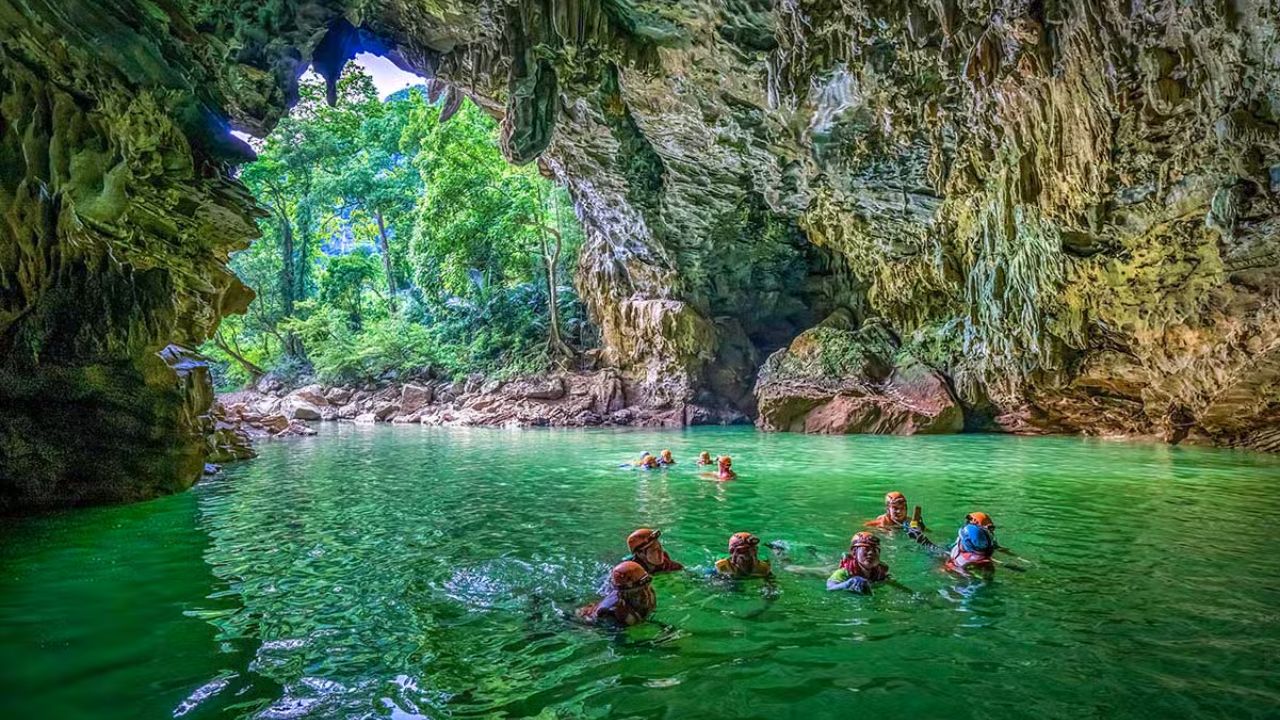
Tu Lan Caves sit quietly outside Phong Nha Ke Bang National Park, and honestly, it deserves way more attention than it gets. This whole system is not just one cave. It is a network of more than twenty caves woven together by an underground river called Rao Nan, tucked inside a limestone mountain range where eight valleys meet.
In this guide, I want to walk you through everything that matters before you book a Tu Lan Cave tour. We will cover how the cave system was discovered, what each cave inside Tu Lan Cave Quang Binh actually looks like, the best things you can do once you are inside, which tour fits your budget, when to go, what to pack, and the safety details nobody tells you upfront.
By the end, you should know exactly what a trip into this part of Vietnam really involves.
What Is Tu Lan Cave and Where Is It Located?
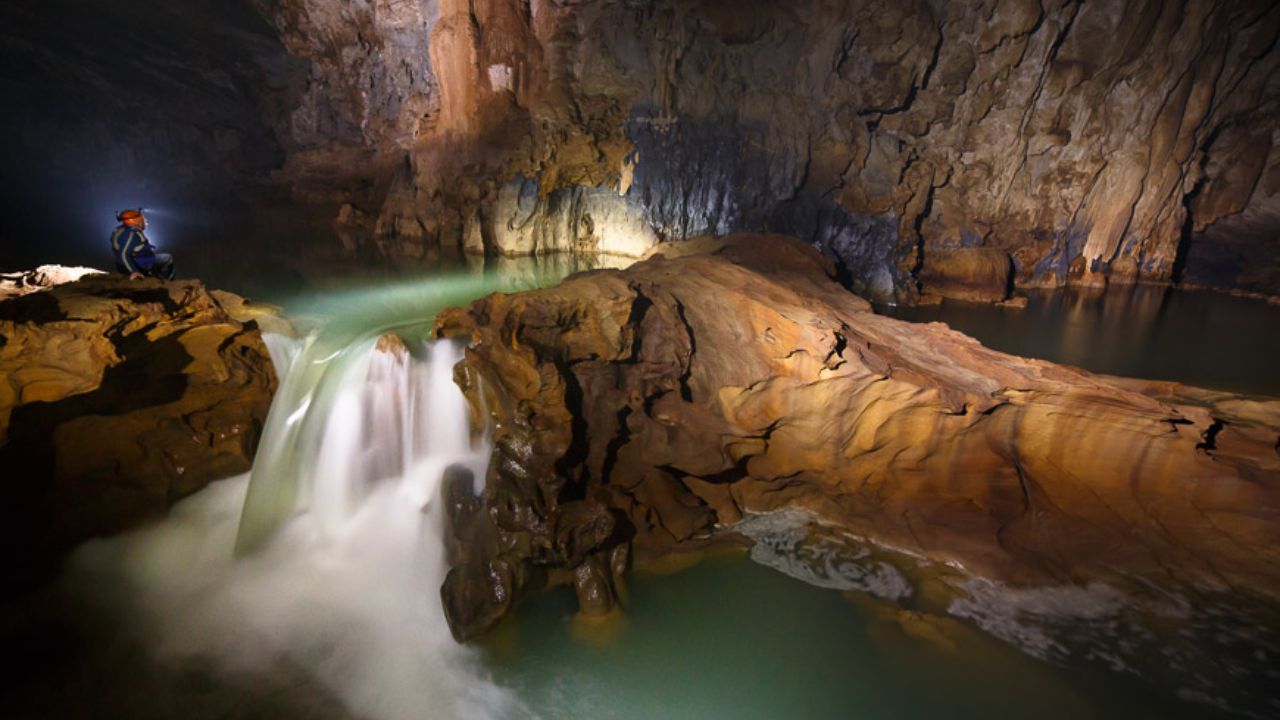
Tu Lan Cave, also called the Tu Lan Cave system, lies just outside Phong Nha Ke Bang National Park in Quang Binh Province, which is now part of Quang Tri.
The name itself carries meaning. “Làn” points to the winding Rao Nan River disappearing into the cave mouths, while “Tú” describes the sharp limestone peaks standing guard above the valley. I grew up hearing locals talk about this river long before tourists ever showed up, and honestly, that name still fits perfectly once you see the place with your own eyes.
Getting there from Phong Nha is straightforward enough. You follow Provincial Road 20, then turn onto the Ho Chi Minh Trail. Stick with that trail for roughly fifty kilometers, then turn onto Provincial Road 559B, and that road leads you right into Tu Lan.
If you are staying in town first, I would suggest checking out other adventures around Phong Nha before heading out, since combining both trips makes for a fuller itinerary.
The History and Discovery of the Tu Lan Cave System
People were exploring this cave system long before it had a name on any map. Archaeologists found pottery shards and charcoal scattered around the area, proof that humans wandered in hundreds of years ago. Chuot Cave, oddly named Mouse Cave, was the very first cave discovered here, back in 1992.
The real turning point came in 2009. A local fisherman named Dinh Hong Nham was walking through the jungle to cast his nets when he stumbled onto three major caves at once, Tu Lan, To Mo Lon, and To Mo Nho. That discovery caught fire quickly.
British caver Howard Limbert and his team arrived soon after, and National Geographic photographer Carsten Peter came along to document the interior stalactite formations, work that later earned him several awards. I like how a single afternoon of fishing changed how the whole world sees this part of Quang Binh.
How Tu Lan Cave Was Formed
The geology here tells its own story. Millions of years of tectonic uplift pushed limestone plateaus skyward, then water slowly seeped through cracks and dissolved the carbonate rock, carving out this maze of passages and chambers. The Rao Nan River still flows through the system today, and it is the same river responsible for shaping every tunnel you walk through.
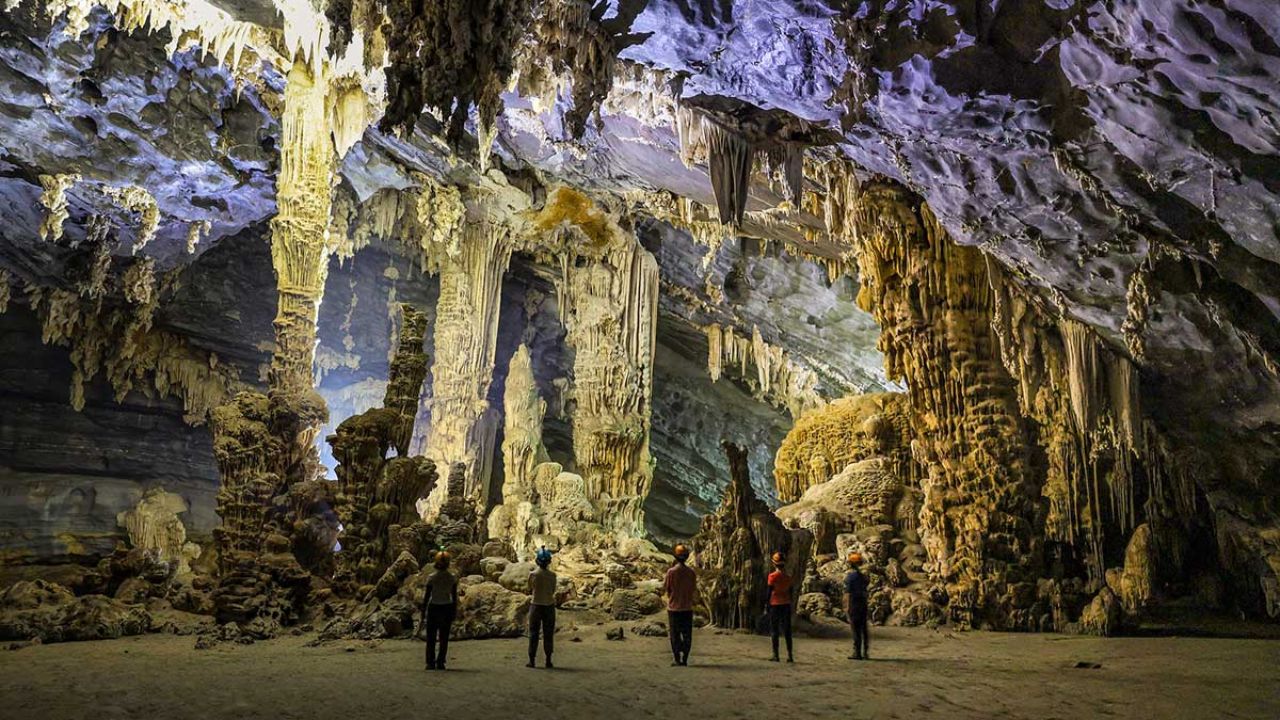
There is a neat pattern worth knowing. The younger caves sit lower and closer to water, while the older, drier caves rise higher above the valley floor. Those higher, older caves tend to have bigger and more dramatic stalactites and stalagmites, which makes them fantastic for photos if that is your thing.
Exploring the Caves of the Tu Lan System
Each cave inside this system has its own personality, and honestly, that variety is what makes Tu Lan cave exploration so addictive.
- Hung Ton Cave: You climb down a 15 meter ladder into a pool, then the cave stretches almost 500 meters, past shell fragments and fossilized mollusks that hint at ancient rivers.
- Ken Caves: Discovered as a dry canyon in 2010, then a 5 meter waterfall turned up in 2011, feeding into the longest water cave in the whole system. A drier “upper” section was found later in 2018, with a 700 meter passage under coral like formations.
- Kim Cave: Found in 2012 by a Dutch traveler, this one is a thrill seeker’s favorite, with a 25 meter wide corridor stretching 1.2 kilometers.
- Tu Lan Cave: The largest cave in the entire system, with a 35 meter wide floor and a ceiling reaching 30 meters, lined with stalactites that genuinely look like chandeliers.
- Chuot Cave: The oldest discovery, dating back to 1992, with a roomy interior that’s even been used as a film set for Vietnamese movies.
- Tien Cave 1 and Tien Cave 2: Tien Cave 1 has a jaw dropping entrance nearly 100 meters tall with multiple tiers, while Tien Cave 2, found in 2015, runs over 2.5 kilometers and might connect to Tien Cave 1 underground.
- Song Cave: Sitting 200 meters above To Mo Valley, this cave is around 600 meters long and is still being studied by scientists tracking climate records.
- Bi Mat Cave: A small hidden gem under 200 meters long, discovered by chance in 2013.
Top Experiences and Activities in the Tu Lan Cave System
There is a lot to do once you are inside, and I promise none of it feels repetitive.
Admiring the stalactites in Song Cave and the dry Ken Cave feels like walking through natural rice terraces carved from stone. Then there are the waterfalls, which spill from valley to valley and empty into pools framed by ancient trees and limestone cliffs.
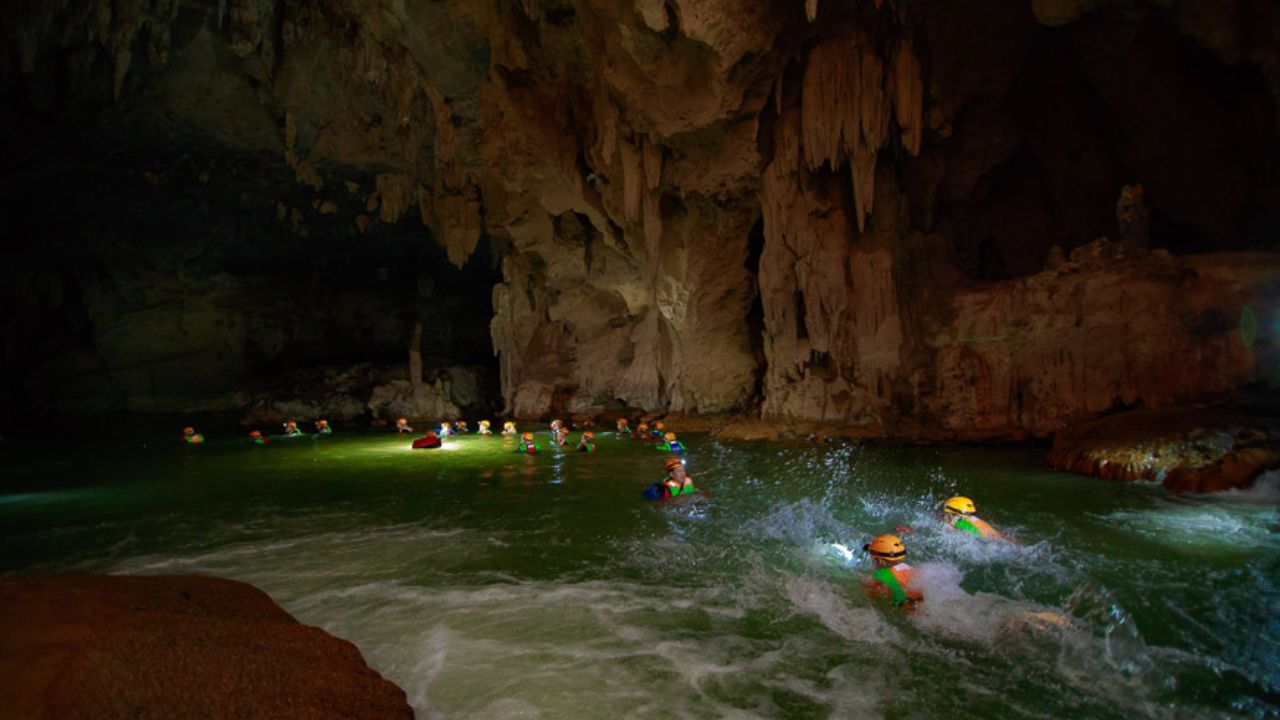
If you want a bigger thrill, swimming through underground rivers inside Hung Ton, Kim, and Tu Lan Cave lets you kick and float beneath dripping ceilings, and when your guide calls for total blackout, that moment of silence and darkness genuinely changes how you experience nature.
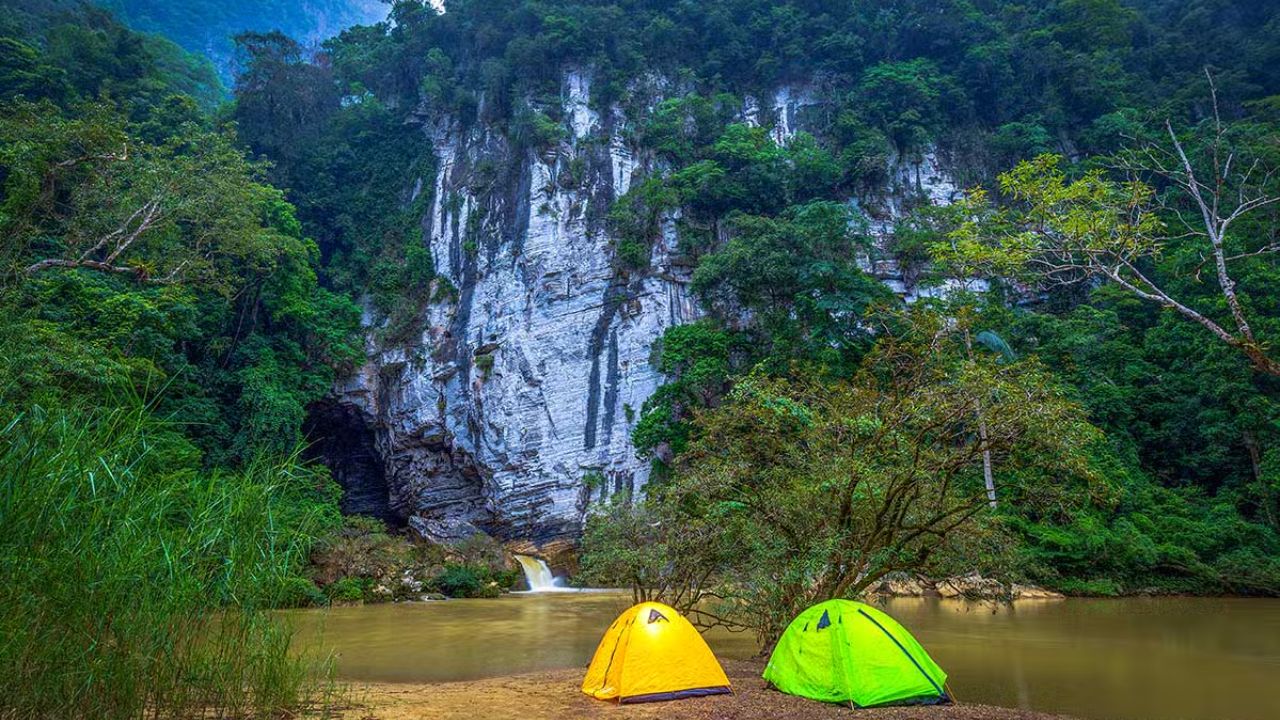
Beyond the caves themselves, trekking through the eight surrounding valleys gives you a slower, more grounded kind of adventure, ending in a campground beside a sapphire blue pool where you sleep under real stars.
| Explore Phong Nha – Ke Bang with Phong Nha Taxi’s professional transfer service. Come with us to enjoy a safe, comfortable and time-saving journey. We are committed to taking you to all destinations in and around Phong Nha – Ke Bang area quickly and conveniently. |
Popular Tu Lan Cave Tour Options and Prices
Organized Tu Lan Cave tours have run since 2011 and were officially launched in 2014. Here is a quick breakdown of what is currently offered:
- Tham hiem Tu Lan (TL4), six days five nights, around 18 million VND per person
- Tham hiem Hang Tien (HT3), four days three nights, about 9.9 million VND
- Kham pha Tu Lan (TL3), four days three nights, roughly 9.5 million VND
- Chinh phuc Hang Tien (HT2), three days two nights, about 7.2 million VND
- Thu suc Tu Lan (TL2), three days two nights, around 7 million VND
- Kham pha Hang Tien Tu Lan (HTL), two days one night, about 5.2 million VND
- Gia dinh kham pha Tu Lan (TF2), two days, around 6.5 million VND
- Gia dinh trai nghiem Tu Lan (TF1), one day, about 2.3 million VND
- Kham pha Hang Tien trong ngay (HT1), one day, around 2 million VND
- Trai nghiem Tu Lan (TL1), one day, about 1.8 million VND
All of these Hang Tien cave tour options and Tu Lan cave tour packages are booked through Oxalis Adventure, the official operator running trips into this area. You can check current availability directly on the Oxalis Adventure website.
Read more: How to get from Dong Hoi to Phong Nha
Best Time to Visit Tu Lan Cave
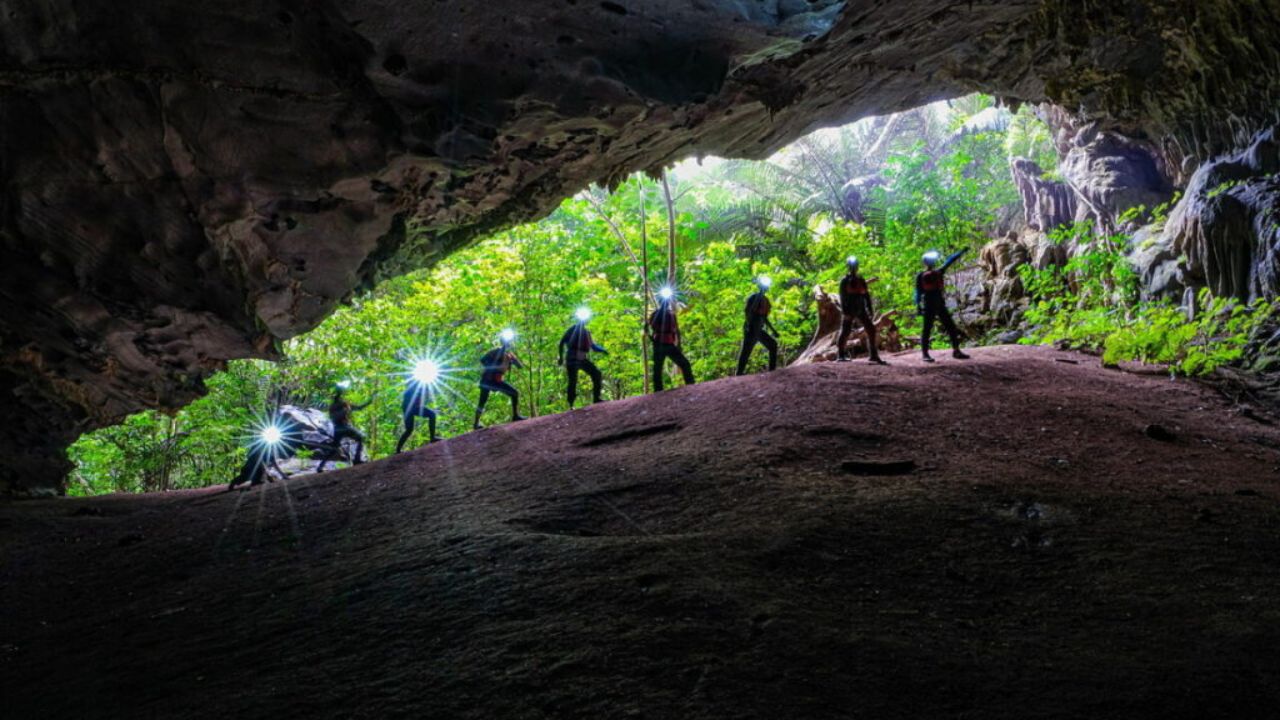
The season runs from mid November through mid September. Between mid September and mid November, heavy rain closes the water caves for safety reasons, so plan around that window. From November to March, days stay cool, which I actually prefer for trekking and caving since you are not sweating through your gear.
April and May bring warmer weather along with flowers and butterflies. June through August gets hot, but most of the journey happens under forest canopy or underground, so it rarely feels like a problem.
What to Pack and Prepare Before Your Trip
Packing smart makes a big difference on a multi day trip like this. Here’s what I usually tell people to bring:
- Quick dry, long sleeve trekking shirts and trousers
- Lightweight windbreaker and separate camp clothes
- Sturdy, quick drain hiking shoes with proper socks
- Swimwear for the underground river sections
- Sunglasses, a brimmed hat, sunscreen, and mosquito repellent
- Towel, eco friendly toiletries, personal medications
- Power bank, ID or passport, small first aid kit
- Camera and tripod if you want to capture the stalactites properly
The good news is that technical and camp gear like helmets, headlamps, tents, sleeping bags, life jackets, water filters, and satellite phones are all provided by the tour, so you don’t need to buy or carry that yourself.
Important Safety Notes for Tu Lan Cave Tours
This is not a casual walk in the park, and I say that as someone who grew up nearby. Rescue response from outside medical teams can take anywhere from thirty minutes to two hours, so strict safety protocols and onsite first aid are always in place. Satellite phones exist for emergencies only.
Be honest with yourself about your fitness level when booking, and make sure you update your health condition with the tour provider forty five days before your trip date. Expect steep climbs, river crossings, ladder climbs, and dark water swims along the way.
FAQs About Tu Lan Cave
Does Tu Lan’s weather change during the year?
Yes. Above ground, you get seasonal swings, cool and dry from November through March, then heavy rain and rising water from September through November. Inside the caves themselves, temperatures stay cool year round, which I personally like a lot.
Are Tu Lan Cave tours suitable for beginners?
Absolutely. Basic swimming skills plus a life jacket are enough for the underground river sections. No rope work or climbing experience is required, and there are plenty of relaxed activities if intense caving is not your style.
Where can I book a tour?
You can book any Tu Lan Cave tour directly through Oxalis Adventure, the operator managing this entire region.
Should I bring food and drinks?
Meals and drinking water are provided throughout the tour. If you have dietary needs, tell your provider in advance. I always pack a few energy bars anyway, just as a backup between campsites.
Should I bring a GPS device?
No, you do not need one. Navigation and safety gear are handled entirely by your guides, so all you really need to do is follow their instructions closely.
Tu Lan Cave is not a demo version of adventure travel, it is the real thing, shaped by millions of years of limestone karst formation and still flowing with the same Rao Nan River that carved it.
Whether you pick a one day sample trip or commit to the full six day expedition, this corner of Quang Tri will show you a side of Vietnam that most travelers never get close to.
Pingback: Experience Eight Ladies Cave: History, Location, & Visitor Guide
Pingback: Can You Visit Phong Nha Without a Tour? A Local's Honest Guide