


Attractions
Mother Suot Monument: History, Meaning & Visitor Guide
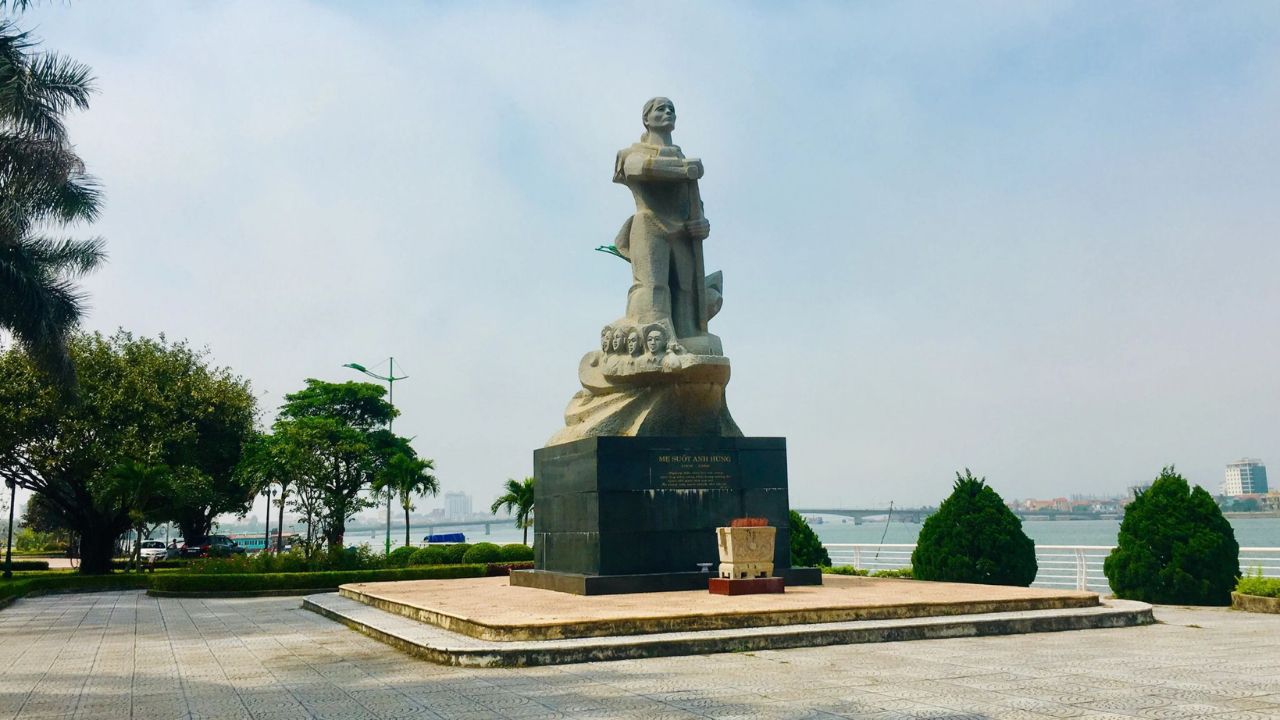
The Mother Suot Monument stands quietly on the banks of the Nhat Le River, yet its story carries the weight of an entire nation’s gratitude. This statue honors a woman who rowed through bombs and bullets to protect soldiers, and her legacy still shapes how locals and travelers see Dong Hoi City today.
Below, readers will find the full history behind the monument, what it symbolizes, how to visit, and the best time to plan a trip. There’s also a look at nearby historical sites and how this stop fits neatly into a wider Quang Tri and Phong Nha itinerary.
Who Was Mother Suot and What Is Her Historical Significance?
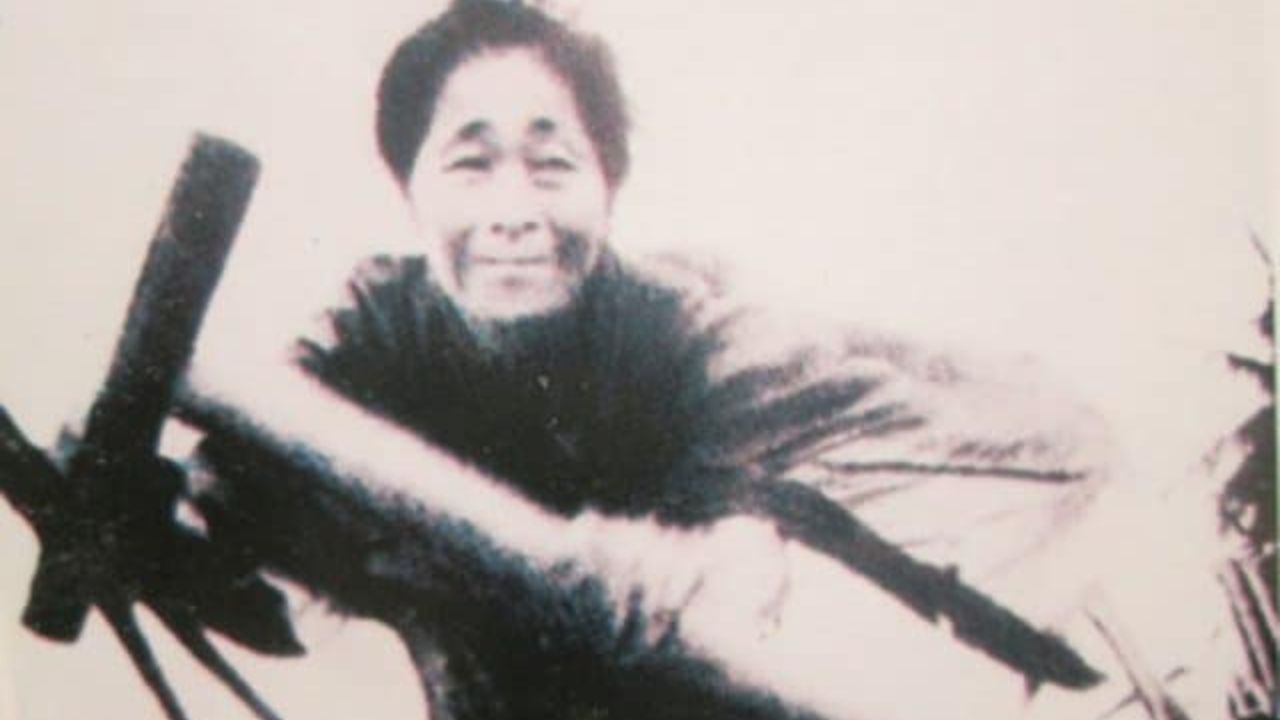
Nguyen Thi Suot, affectionately known as Mother Suot, was born in 1908 in Bao Ninh, a small village situated just across the river from central Dong Hoi. Growing up in extreme poverty under French colonial rule, she worked as a housemaid before becoming a dedicated ferrywoman on the Nhat Le River.
When the conflict escalated, her hometown served as a crucial supply hub for troops headed south. As a result, American aircraft and warships regularly targeted the river crossing with heavy bombing raids.
Despite her advanced age and graying hair, she took up her oars to aid the national defense effort. Her own son joined the armed forces to fight in the South, where he eventually made the ultimate sacrifice.
Between 1964 and 1968, Mother Suot operated a simple wooden boat, completing over 2,800 river crossings under continuous aerial bombardment. She ferried officers, soldiers, wounded fighters, and vital communications across the Nhat Le River to keep supply lines open.
Her extraordinary courage earned widespread national recognition. On January 1, 1967, the Vietnamese government awarded her the prestigious title of Hero of the Transportation Sector in the Resistance War Against America, and she was invited to Hanoi to receive her medal.
Tragically, on August 21, 1968, American aircraft launched a cluster bomb attack on the ferry area, and Mother Suot died during the raid. Today, her legacy endures as a powerful national symbol of maternal devotion, bravery, and selfless sacrifice.
Architecture and Design Features of the Mother Suot Monument

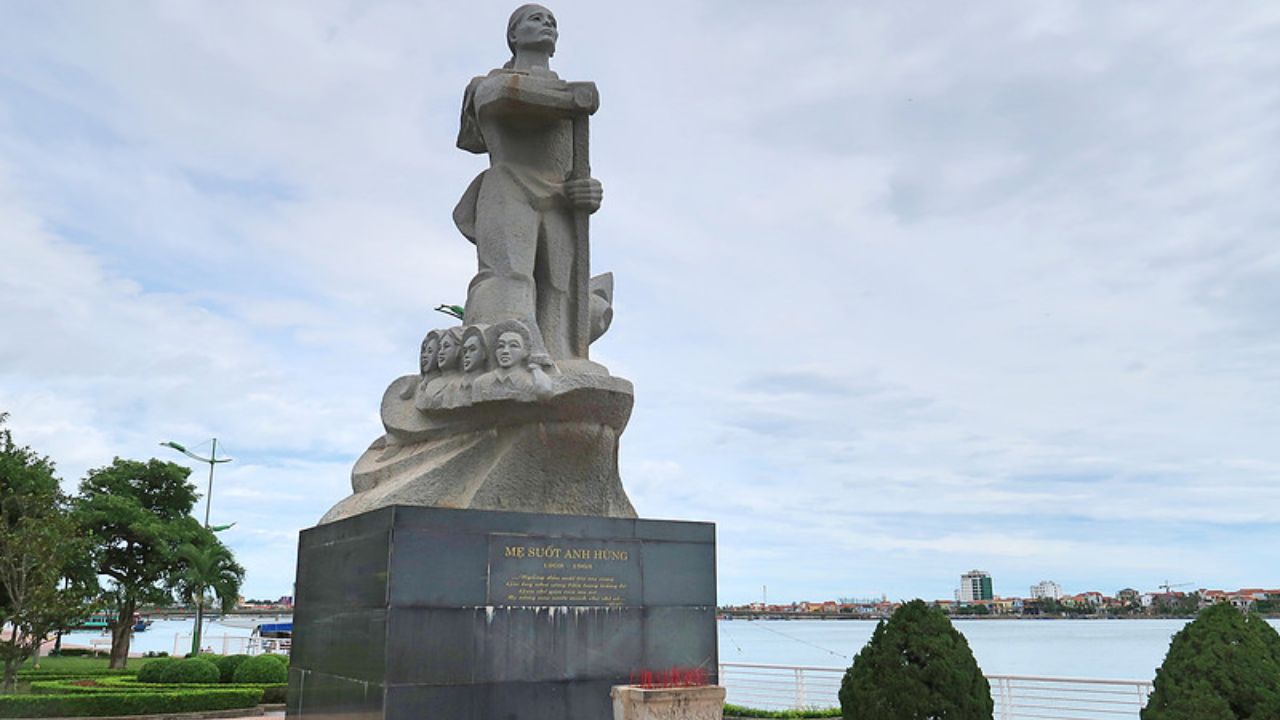
Erected in 2003 to replace an earlier 1980 marker, the Mother Suot Monument stands as a magnificent tribute in central Dong Hoi. Crafted by renowned sculptor Phan Dinh Tien, the structure reaches an impressive height of 7 meters, including its concrete base.
The statue depicts the slender figure of Mother Suot holding an oar firmly in her hands, her eyes filled with determination as she navigates through stylized river waves.
The artistic composition contains rich symbolic details from top to bottom. Sculpted waves at the base face toward the Nhat Le River, mirroring the rough waters she braved daily.
On the reverse side of the monument, detailed relief figures of Vietnamese soldiers stand shoulder-to-shoulder. This artistic design symbolizes her protective maternal role, effectively shielding the nation’s troops from incoming bombs and bullets.
Adjacent to the statue stands the historic Memorial Stele House, situated right at the original Mother Suot Ferry Terminal. Visitors can read detailed inscriptions that outline her historic river trips and her hero title awarded by the government. The monument seamlessly integrates into the surrounding riverfront park, blending artistic tribute with historical preservation.
How to Get to the Mother Suot Statue
Getting there is straightforward, whether flying in or arriving by road.
The monument sits on Quach Xuan Ky Street, Dong Hoi Ward, about 8km from Dong Hoi Airport. Here’s a quick breakdown:
- From Hanoi or Ho Chi Minh City: Fly directly into Dong Hoi Airport.
- From Hue, Da Nang, or Hanoi: Travel by car, train, or sleeper bus.
- From the airport or railway station: Take a car, taxi, or ride-hailing motorbike. Book a taxi from the airport or the railway station to Phong Nha quickly.
Within central Dong Hoi: Rent a bicycle or motorbike — some hotels and homestays even offer bikes for free.
Best Time to Visit the Mother Suot Statue
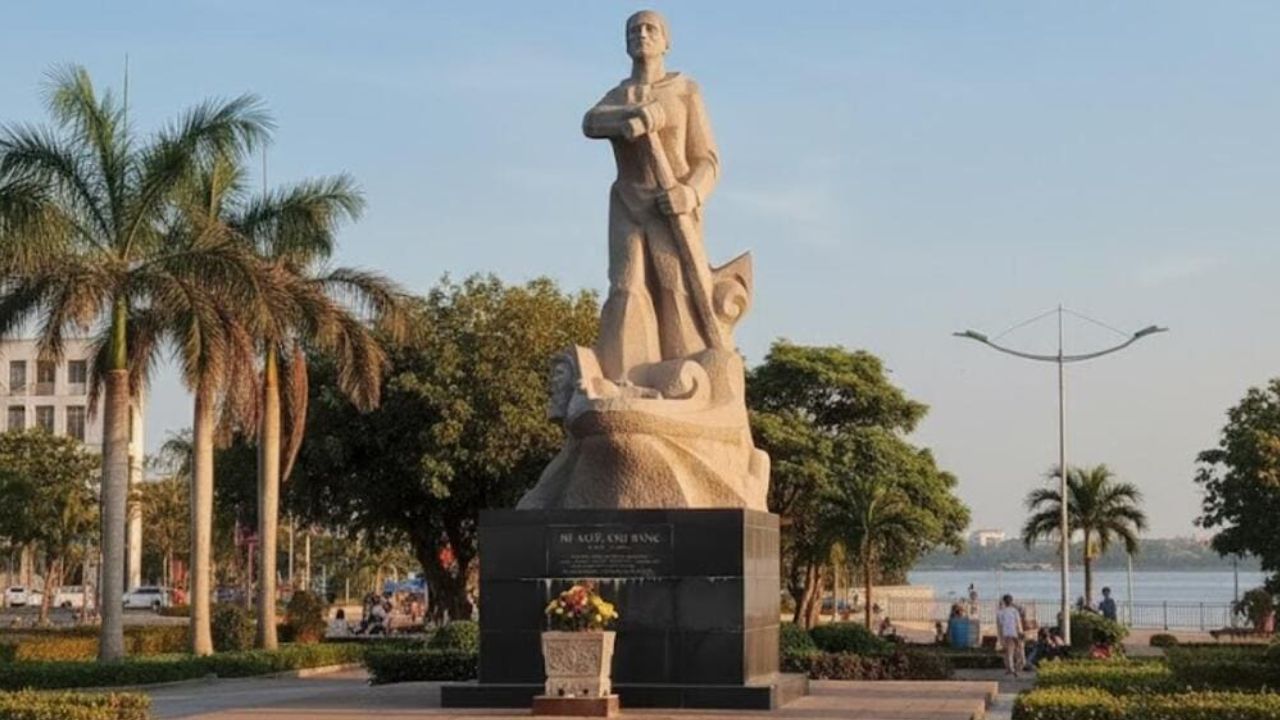
March to August brings warm, dry conditions, perfect for walking along the river and taking photos without rain interruptions.
Early mornings and late afternoons work best, thanks to softer light and cooler temperatures.
From September to February, Quang Binh experiences its annual rainy season. If you travel during these months, check local weather forecasts beforehand so you can bring appropriate rain gear.
Visitor Activities and Experiences at the Monument Grounds
Visiting the site offers a mix of quiet reflection and beautiful river scenery. We recommend taking time to engage with both the historical and visual aspects of the park:
- Paying Tribute: Locals and travelers frequently purchase fresh incense sticks from small roadside stalls near the park to offer prayers at the base of the statue or inside the Memorial Stele House.
- Monument Photography: The 7-meter tall statue provides a striking photo backdrop against the backdrop of the flowing river and blue skies.
- Riverfront Stroll: Broad paved pathways run parallel to the water, allowing you to enjoy a peaceful walk while imagining the historic ferry trips that took place on this very stretch of water.
- Cultural Observation: In the late afternoon, the surrounding park becomes a lively gathering point for local families, giving you an authentic look at daily life in Dong Hoi.
Nearby Historical Sites Around the Mother Suot Statue
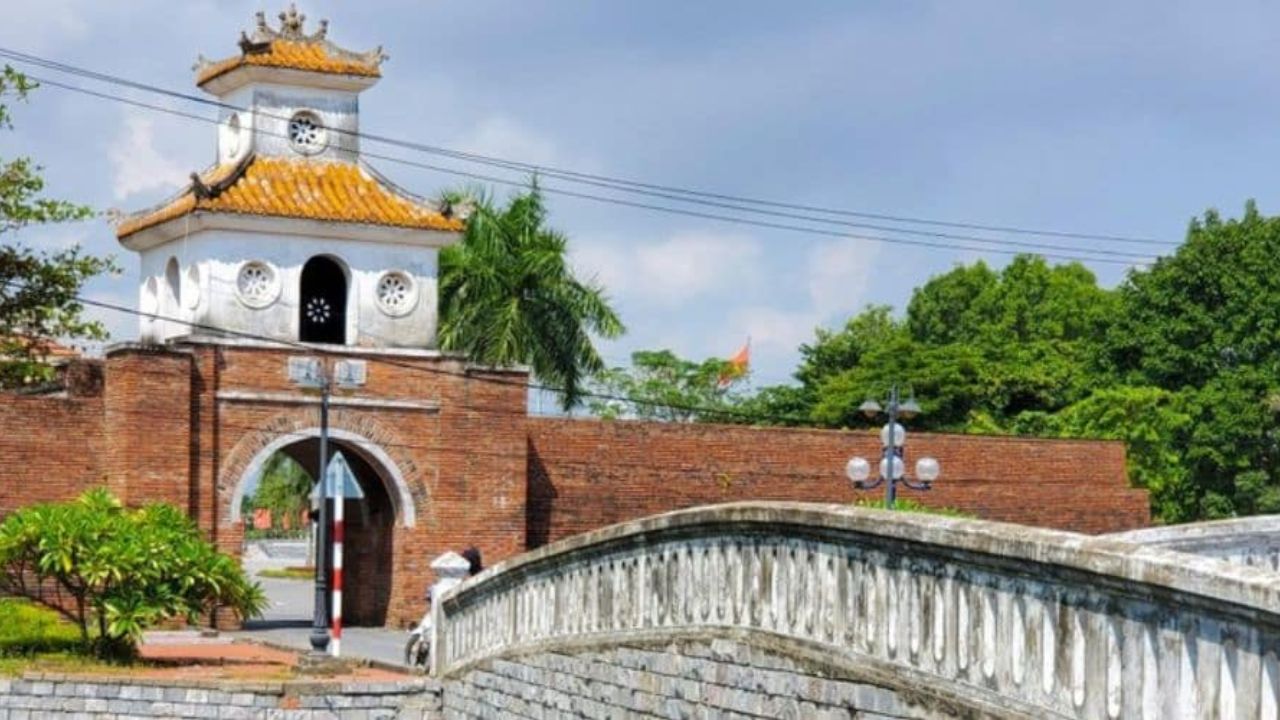
The monument sits close to several places worth adding to the itinerary:
- Dong Hoi Ancient Citadel (600m)
- Quang Tri Museum (600m)
- Quang Binh Gate (500m)
- Nhat Le Beach (3.4km)
- Dong Hoi Market (400m), great for tasting banh bot loc, banh khoai, and banh beo with crispy shrimp
Walking between these spots is easy since they’re all within central Dong Hoi.
Combining a Visit to Mother Suot Statue with Phong Nha and Quang Tri
Phong Nha Cave and Paradise Cave
Phong Nha sits about 45km away. Phong Nha Cave features a 7km underground river and a 3.5km boat ride, while Paradise Cave, often called the “underground palace,” offers a 1km stairway trail through massive stalactite formations.
After exploring city landmarks, we recommend checking out must-try outdoor adventures in Phong Nha to experience world-class cave trekking and jungle trails.
Commander Cave and Bong Lai Valley
Commander Cave recreates wartime history with 9D VR technology across a seven-level cave. Bong Lai Valley offers rural experiences like duck herding and buffalo riding at Duck Stop Phong Nha.
Further Historical Sites in Quang Tri
Travelers with extra time can reach Quang Tri Ancient Citadel (118km), Vinh Moc Tunnels (79km), and Hien Luong Bridge (74km) from the statue.
FAQs about the Monument of Mother Suot
Is there an entrance fee to visit the Mother Suot Monument?
No, the monument and its surrounding riverfront park are completely free and open to the public 24 hours a day.
How far is the statue from Dong Hoi Railway Station?
The monument is located approximately 4 kilometers from Dong Hoi Railway Station, which takes about 8 to 10 minutes by taxi or motorbike.
Can I buy incense near the memorial?
Yes, small vendor stalls along Quach Xuan Ky Street sell fresh incense sticks and flowers for visitors who wish to offer tribute at the memorial stele.