


Attractions
Tan Hoa Village: Complete Guide to Weather-Adaptive Tourism
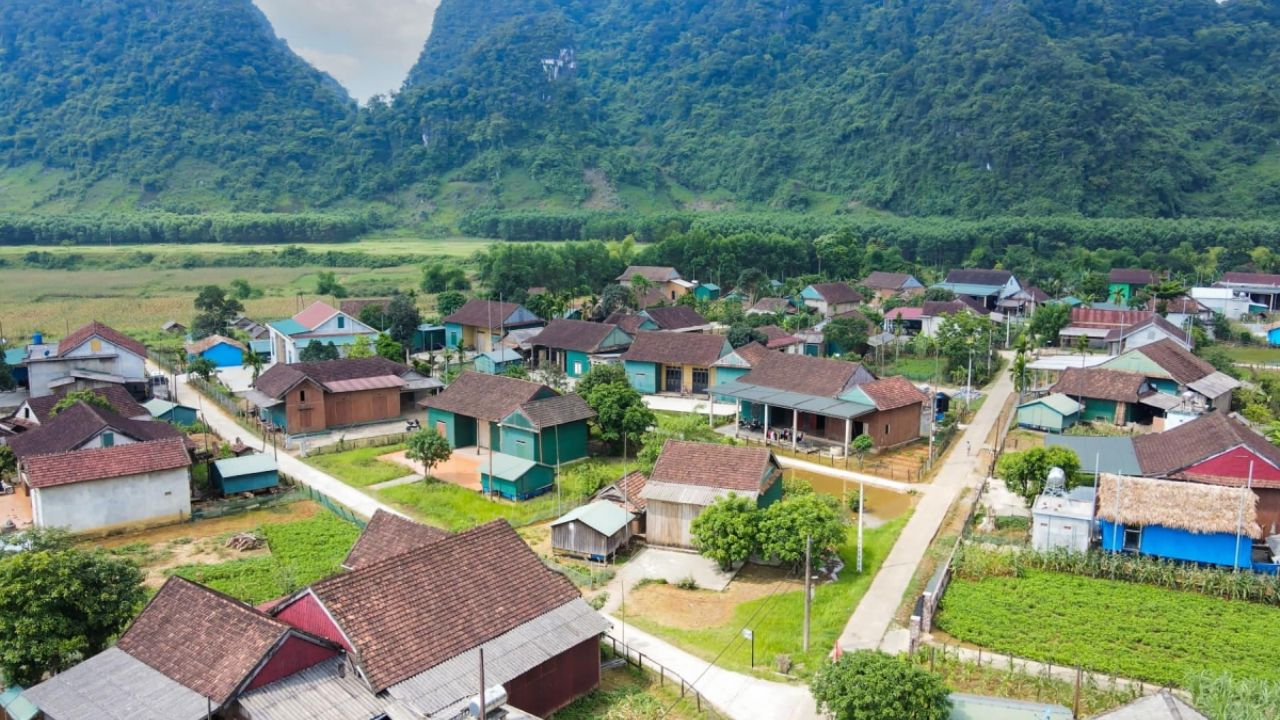
Tan Hoa village stands out as a unique destination where human resilience meets breathtaking natural landscapes. Nestled in a picturesque valley, this remarkable settlement transformed its seasonal flooding challenges into a global model for sustainable travel.
Visitors flock here to experience flood-resistant floating homestays, trek through world-class limestone caverns, and immerse themselves in rich ethnic traditions. Understanding how this community turned environmental adversity into an award-winning travel experience reveals the true spirit of central Vietnam.
Tan Hoa Tourism Village
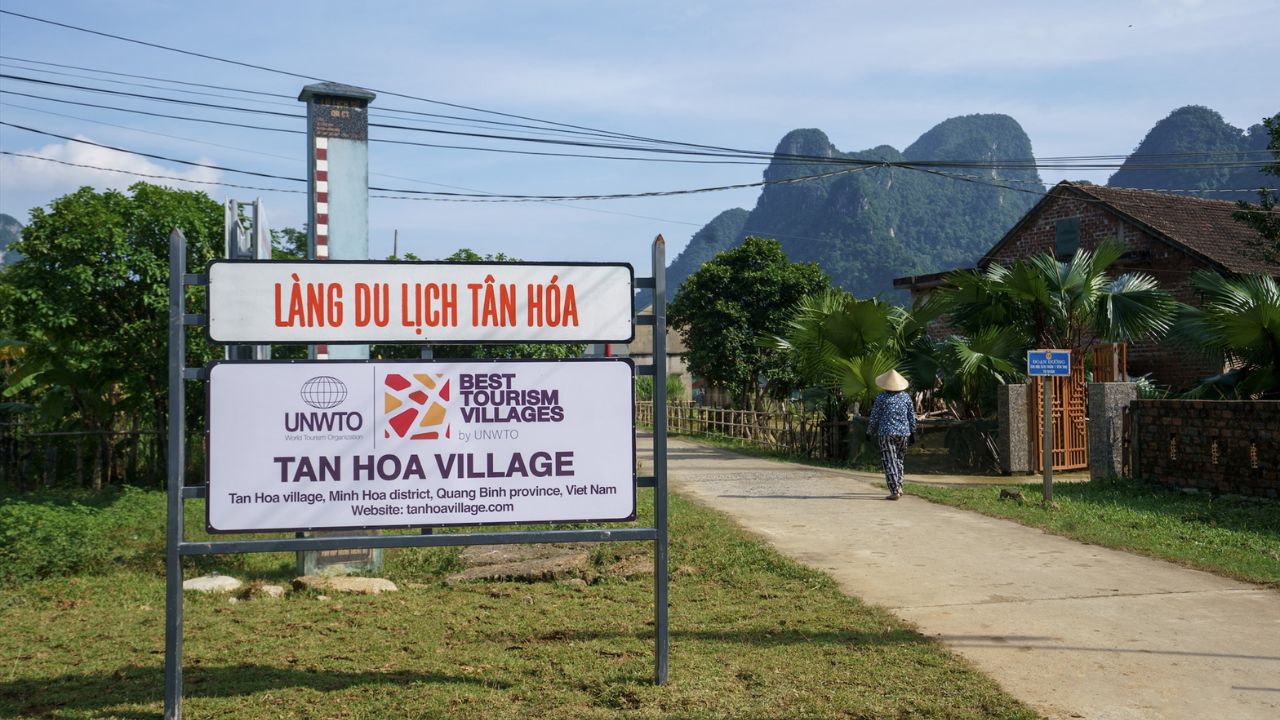
Tan Hoa village is located in Yen Tho Hamlet 2, Kim Phu Commune, Quang Tri Province (historically associated with Minh Hoa District in Quang Binh). This isn’t just another countryside stop — it’s a genuine example of community-based tourism done right.
The village covers 72.4 km² and is home to 3,355 residents, and every single one of them belongs to the Nguon people, an ethnic group with its own language, folklore, and way of life.
What really stands out to me is the award. On October 19, 2023, the UNWTO (United Nations World Tourism Organization) recognized Tan Hoa village as one of the Best Tourism Villages of the year. This isn’t a random title — it’s given to places that use tourism to support local development while still protecting their cultural and natural heritage.
The Natural Landscape of Tan Hoa Village
Picture a flat valley wrapped in limestone mountains, and you’ve got the setting of Tan Hoa. The Rao Nan River cuts right through the middle, splitting the valley into two banks where most locals have settled for generations.
I find this detail fascinating: the river doesn’t just start here. It originates near the Vietnam-Laos border and actually flows underground for almost three kilometers inside Ruc Cave in Trung Hoa Commune before it resurfaces and winds down into the village.
Then there’s the cave system. The Tu Lan Cave System and Hang Tien Cave are two of the region’s biggest draws, and it’s not just tourists who love them — filmmakers do too.
Several domestic and international movies have used Tu Lan as a filming location, thanks to its dramatic scenery. Beyond the caves, there’s a rare, preserved ironwood forest that adds another layer of natural beauty most visitors don’t expect to find in a flood-prone valley.
Why Tan Hoa Floods Every Year
Here’s something I think every visitor should know before booking a trip: Tan Hoa is considered a flooding center in Quang Binh Province. Flooding happens every year, typically in October and November, and water levels can rise as high as 12 meters. That’s not a small number — it’s enough to submerge entire homes.
Unlike villages that simply brace for damage each flood season, Tan Hoa turned this challenge into something almost unique in Vietnam’s tourism scene. Instead of fighting the water, the community learned to live with it.
How Tan Hoa Village Adapts to Flooding
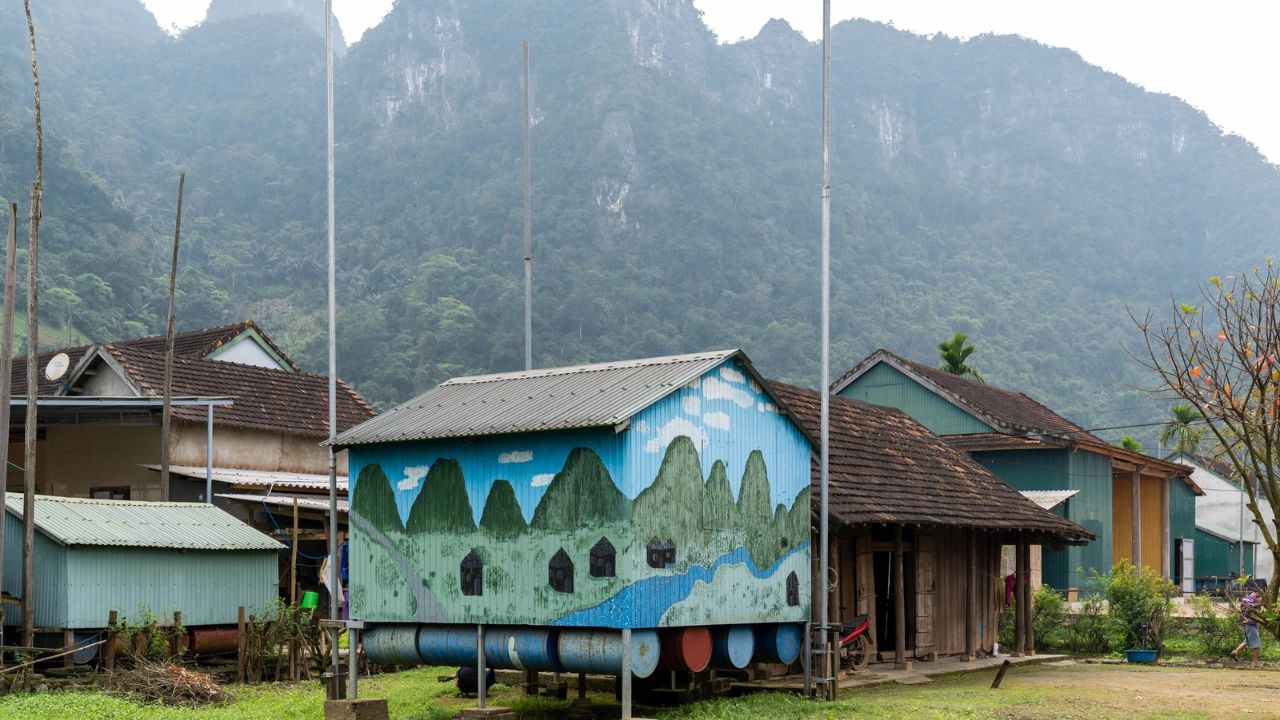
This is where the story gets interesting. The village has financed around 700 flood-resistant floating houses, each designed to accommodate a family of at least six people, along with the essentials they need to get through a flood safely. These aren’t temporary shelters — they’re a long-term housing solution that rises with the water instead of getting destroyed by it.
Starting in November 2022, local authorities teamed up with the Department of Tourism of Quang Binh Province to shift Tan Hoa toward full community ownership of tourism.
In simple terms: locals aren’t just working in the background of tour logistics anymore. They’re becoming actual owners of homestays and dining experiences. I like this approach a lot, because it means the money from tourism stays in the community rather than flowing out to outside investors.
Staying at a Rural Homestay in Tan Hoa Village
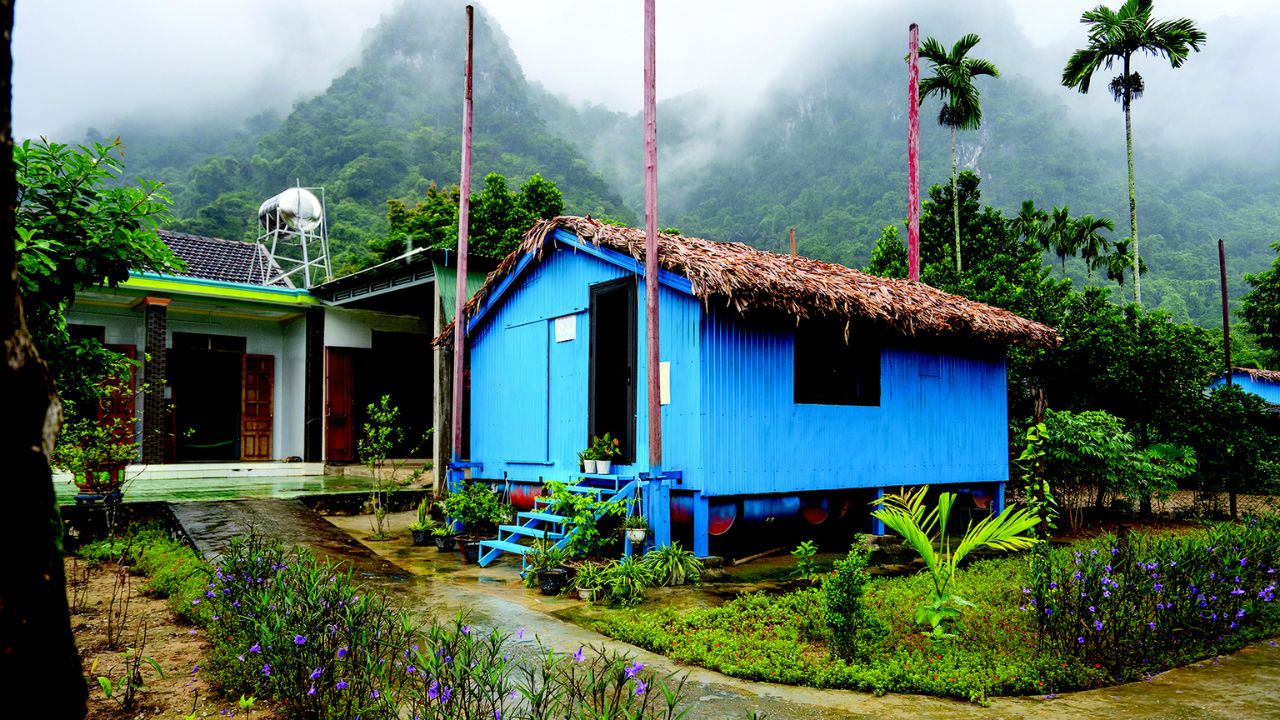
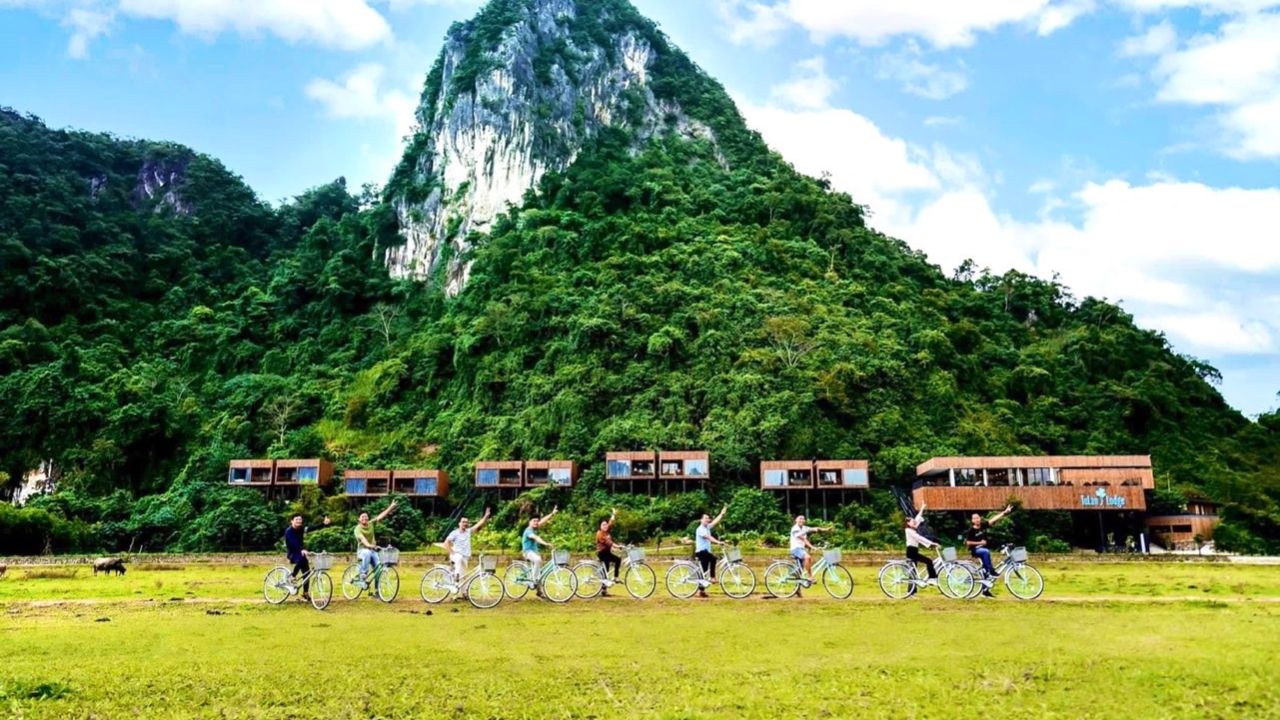
If you’re planning where to sleep, the rural homestay model here is unlike typical countryside lodging. Each homestay is built right in the garden of a local home and uses the same flood-adaptive floating house design mentioned earlier. Rooms are modern and comfortable, suitable for 1 to 3 guests, so it works well for couples or small groups rather than large parties.
Tu Lan Lodge manages the homestay network, and from what the village describes, hosts are trained to be available throughout your stay — guiding you, cooking for you, and making sure you’re comfortable. It’s a neutral middle ground between a fully independent stay and a packaged resort experience: you get privacy, but support is never far away.
If you’re also exploring nearby areas, you might want to check out this guide on must-see spots around Phong Nha before finalizing your itinerary — it pairs nicely with a Tan Hoa trip since both regions are close to each other.
Experiencing Nguon Culture Through Local Dinner
For me, this is the highlight of any Tan Hoa visit. A local dinner here means eating an actual traditional meal inside a Nguon family’s home, not a staged tourist version of one. The Nguon community has its own language and folklore that’s rarely documented elsewhere, so sitting down to eat with them is a rare cultural window.
Daily life here revolves around farming, fishing, hunting, and honey collecting. On top of that, locals forage for snails, “cà Lào” (a Laotian fruit), wild vegetables, and “khoai mài,” a local root similar to a wild potato. Hosts are trained in food safety and preparation, so meals are both authentic and hygienic — a detail that matters if you’re a bit cautious about trying new food abroad.
Adventure Activities in Tan Hoa Village
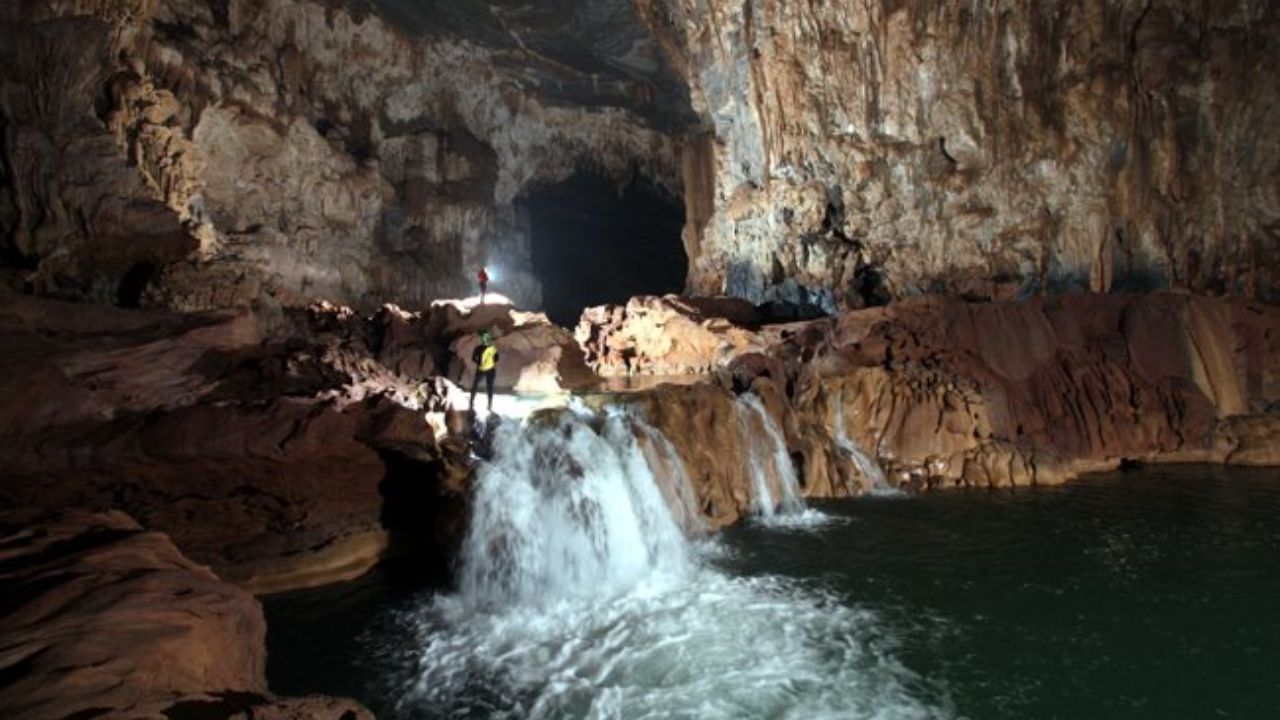
Adventure lovers won’t run out of things to do. Cave exploration through the Tu Lan system is the obvious highlight, but cycling through corn fields and visiting neighboring hamlets are equally rewarding, low-key options.
Unlike high-intensity trekking tours elsewhere in Vietnam, these activities feel more relaxed and community-focused — you’re moving through farmland and villages, not just scenery.
As a sample itinerary, a typical two-day stay might look like this:
- Day 1: Arrive, settle into a floating-house homestay, cycle through the valley
- Day 2: Explore Tu Lan Cave System, enjoy a local dinner, depart
That’s just an example, of course — most travelers extend their stay once they realize how much there is to slow down and appreciate here.
Local Products and Specialties of Tan Hoa Village
Before leaving, it’s worth stopping by a local farm. Tan Hoa is known for specialties like honey, green beans, black beans, peanuts, wild bamboo shoots, blood grass, and Gastrodia (a medicinal plant used in traditional cooking). These aren’t just souvenirs — they’re part of daily Nguon life, and buying them directly supports the same families who prepare your local dinner.
Planning a Visit to Tan Hoa Village
Located roughly 70 kilometers northwest of Phong Nha-Ke Bang National Park, the village is easily accessible by private car from Phong Nha Taxi or local transfer service along the scenic Ho Chi Minh Highway.
Tours and homestays are operated under Oxalis Company Limited, which also manages the Tu Lan Lodge homestay brand. For direct contact, the village lists a phone number (+84 814191678), while Oxalis’s hotline (+84 919900357) handles broader booking inquiries.
FAQs About Tan Hoa Village
Is Tan Hoa village safe to visit during flood season?
Yes, but timing matters. Floods typically hit in October and November, and while the floating houses are built to handle rising water, most tour operators avoid scheduling trips during the heaviest flood weeks.
What makes the village different from other homestay destinations in Vietnam?
Unlike standard homestays, Tan Hoa’s lodging is designed specifically to survive floods, and the entire tourism model is owned and operated by the local Nguon community rather than outside businesses.
How long should I stay in Tan Hoa village?
Two days is a reasonable starting point, though many travelers extend their visit once they experience the caves, local dinners, and countryside cycling routes.
Can I buy local products directly from the village?
Yes. Farms in the village sell honey, beans, peanuts, bamboo shoots, and Gastrodia directly to visitors, which supports the local economy.
Tan Hoa village proves that a community doesn’t need to choose between tradition and progress — it can build both, flood after flood, season after season. Whether you’re drawn in by the caves, the culture, or simply the story of resilience, this is one Quang Binh destination that delivers far more than a typical countryside stop.