


Attractions
Phong Nha Weather Guide By Month: Best Time & Cave Safety

Phong Nha – Ke Bang National Park is a hidden gem in the mountains and forests of Quang Tri, which attracts visitors from all over the world with its majestic, wild and mysterious cave system. It is recognized by UNESCO as a World Natural Heritage, famous for Son Doong Cave – the largest natural cave in the world.
To get to Phong Nha, you can start from many different provinces and cities. From Dong Hoi, the closest city to Phong Nha, it only takes about 50km to travel. If you start from Hue to Phong Nha, you will experience an exciting journey with a distance of 215km. From Hanoi, you can choose to fly, train or bus to get to this land.
The tropical monsoon climate gives Phong Nha weather two seasonal landscapes: the rainy season and the dry season. Each season has its own distinct characteristics, creating a diverse beauty for this land. If you love exploring, the dry season will be the ideal time to participate in activities such as trekking, boating on the river and exploring caves. If you want to enjoy the fresh air and explore the wild beauty of nature, the rainy season is also an interesting medicine.
Coming to Phong Nha, you will not only admire the beauty of nature but also have the opportunity to experience the unique culture of the local people. Let’s immerse yourself in the daily life of the people, enjoy the specialties and explore the sophisticated traditional cultures.
Phong Nha Weather by Seasons
Phong Nha has two distinct seasons: the rainy season and the dry season.
Dry season in Phong Nha
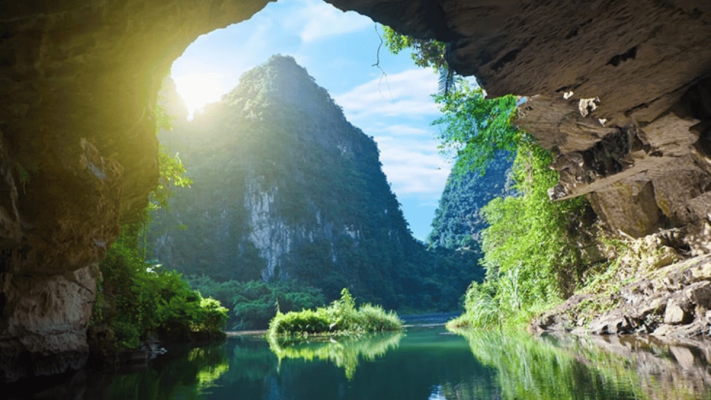
The dry season in Phong Nha lasts from April to August, which is the ideal time for visitors to explore the wild beauty of this land. With an average temperature of 25°C to 35°C and low humidity, the dry season climate brings a pleasant feeling, not too hot or too cold.
The sunny weather, little rain creates favorable conditions for outdoor activities. With such Phong Nha weather, you can comfortably explore the cave system at any time such as Son Doong cave, Paradise cave, Phong Nha cave without being affected by rain or wind. The fresh air and panoramic views help you enjoy the beauty of nature.
The dry season is also the ideal time to participate in activities such as hiking, river rafting, camping. Hiking routes become easier, helping you explore the wilderness and enjoy the fresh air. For those who love thrills, cave exploration activities will bring unforgettable experiences.
For a truly memorable trip, pack cool, sweat-wicking clothing, a hat, sunglasses, and sunscreen. Don’t forget to bring water to stay hydrated.
Rainy season in Phong Nha
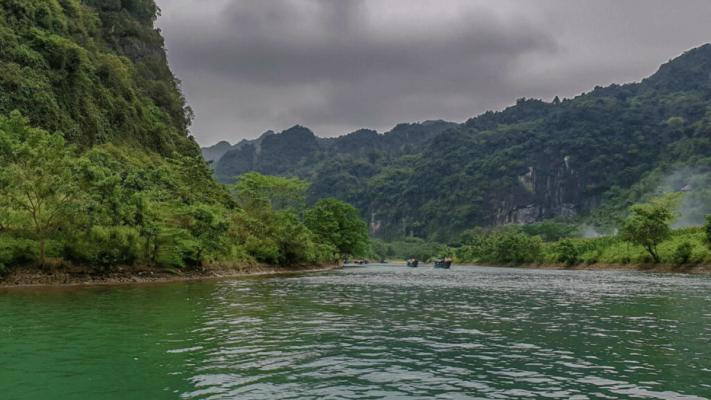
The rainy season in Phong Nha lasts from September to March, which brings a completely different look to this land. Rainfall is concentrated, especially in September and October. Although the weather is not as favorable for outdoor activities as the dry season, Phong Nha in the rainy season has its own beauty, with lush green forests, rivers full of water and fresh air.
For reasons of ensuring safety for visitors, especially in the rainy season, Son Doong Cave and some long-term sightseeing caves only operate from January to the end of August every year. Phong Nha Cave, Paradise Cave or Dark Cave are still active, except during the flood season.
When visiting in the rainy season, visitors need to check the weather and cave activities to have a great experience.
The Best Time to Visit Phong Nha Cave and National Park
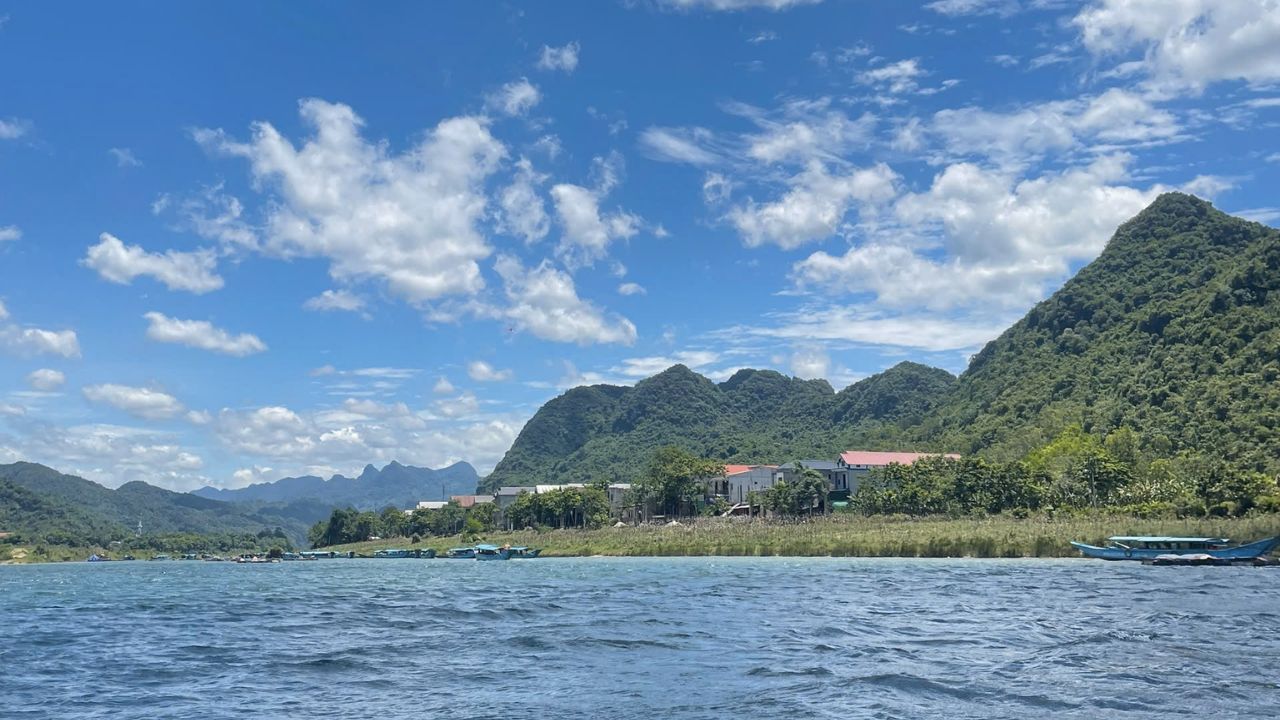
If you ask me when our home looks the most beautiful, I will always tell you that the dry season Phong Nha Ke Bang window from April to August wins by a landslide. During these glorious months, we experience sunny days, minimal rainfall, and stable trail traction. It is an absolute dream for anyone wanting to experience the magical wonders of our valley.
When you go trekking during this period, the dry earth makes hiking through the jungle safe and highly enjoyable. Our local adventure tourism operates at full capacity because the weather permits deep exploration without unexpected trail washouts.
However, be prepared for our high summer peak! The intense sunshine brings a maximum recorded temperature of 41°C, and on extreme summer days, the dry season humidity reaches up to 83% or 84%. I remember guiding a sample group of friends last July; the midday heat index felt like a furnace, which demands heavy UV protection and hats.
But do not worry, because that scorching heat makes dipping into the emerald pools of Mooc Spring or kayaking down the Chay River feel like pure heaven!
Monthly Breakdown of Phong Nha Temperature and Rainfall
To help you plan perfectly, let us look at the Phong Nha weather by month so you can choose your ideal vibe:
- The Spring Transition (February to March): I love this time. The weather is delightfully mild, with average daytime highs around 21°C to 24°C and cool nights that can dip to 16°C. The water systems are calm and turn an incredible emerald color. It is perfect for cycling through the rural valleys.
- The High Summer Peak (April to August): Expect maximum sunshine and long days. This is when the weather in Phong Nha triggers the busiest travel season. The local average annual temperature sits around 23°C to 25°C globally, but these months push daily highs well past 32°C.
- The Monsoon and Flood Window (September to November): This is our peak rainfall period. The tropical monsoon generates heavy rainfall, and our regional precipitation levels skyrocket. September and October see the heaviest downpours of the year.
- The Winter Chill (December to January): Winter brings a quiet, mystical beauty. The Quang Tri climate shifts to its coolest phase, with a minimum recorded temperature reaching as low as 6°C on rare nights. A thick mist hangs over the karst mountains, making the park look like an ancient ink painting.
Understanding the Rainy Season and Cave Accessibility Risks
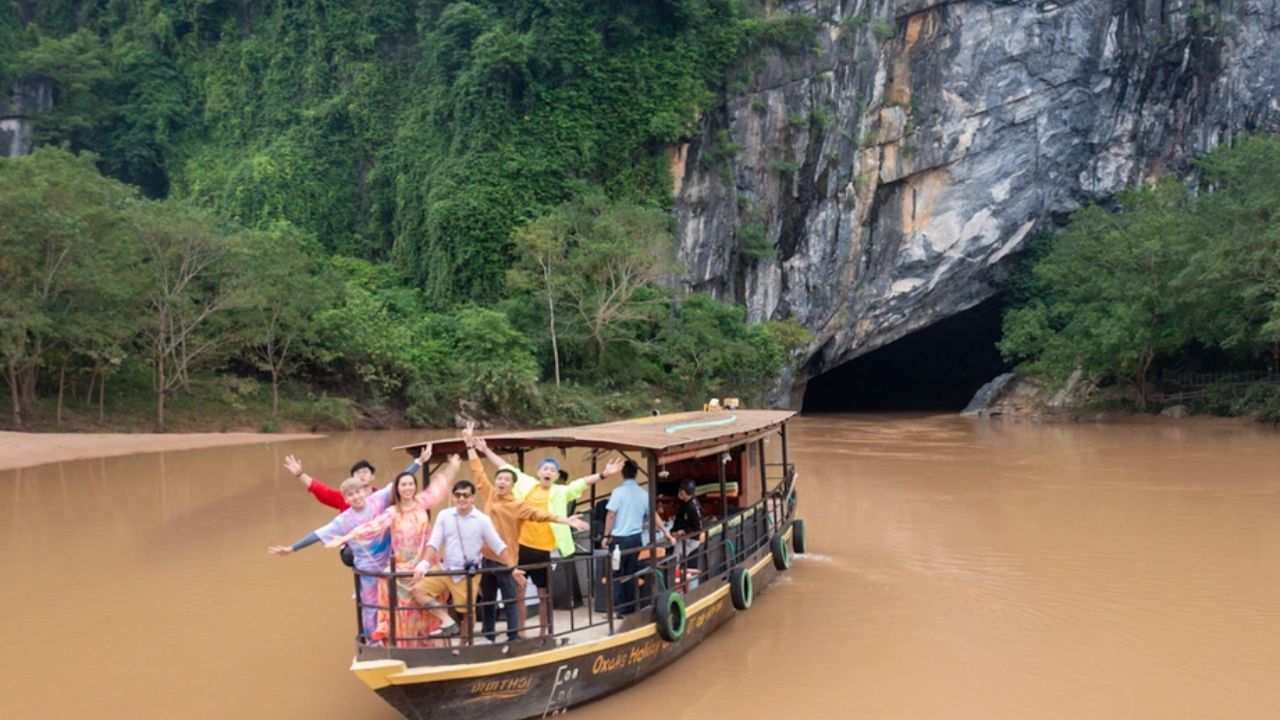
The Phong Nha rainy season is something you must take seriously. When the heavy downpours hit our steep limestone karst terrain, it shapes a challenging regional microclimate. The massive amount of water cannot drain into the rock fast enough, causing severe river flooding.
During these autumn months, the rising water levels cause the beautiful Son River to overflow its banks. When this happens, the rushing river water physically blocks the cave entrance gates of our famous wet caves.
Because flooding restricts boat navigation completely, the park authorities have to close access to Phong Nha Cave and Dark Cave for safety. I once saw a demo of the river rising three meters in a single afternoon! If you book an expedition-level trek to see the legendary Son Doong Cave or the remote En Cave during this window, heavy rains will instantly pause or cancel your tour.
Local Warning: Do not risk your safety trying to force a cave tour during a storm. When the entrance portals are submerged, the underground river networks turn into dangerous, high-velocity torrents.
The Stable Microclimate Inside Paradise Cave and Underground Systems
Here is a fascinating natural secret that always blows my mind. No matter how wild the weather gets on the surface, our underground world remains completely at peace. A stable microclimate characterizes deep caves throughout our national park.
Whether it is a blistering 41°C summer afternoon outside or a freezing 6°C winter morning, the interior temperature of our underground caves remains stable at a cool, constant 20°C year-round.
When you step inside the massive chambers of Paradise Cave, the air feels like natural air-conditioning. It is incredibly refreshing!
Furthermore, when you are hiking on the surface toward the cave mouths, our dense forest canopy acts as a giant shield. The thick layers of jungle trees mitigate the extreme surface heat indices, protecting you from the direct glare of the sun. It is a beautiful example of how our ecosystem cares for its visitors.
Practical Packing Guide for Regional Weather Extremes
For the Dry Season (April to August)
- Lightweight, breathable clothing (cotton or linen fabrics work best).
- Active swimwear for water activities in our cool rivers.
- High SPF sunscreen, sunglasses, and a wide-brimmed hat for intense sunshine.
- Protective gloves and sturdy hiking shoes for climbing sharp limestone trails.
For the Wet/Cold Months (September to January)
- A high-quality waterproof rain shell or poncho.
- Quick-dry trail clothing layers to keep you warm when wet.
- Sturdy boots with deep traction to handle slippery mud.
- Waterproof dry bags to protect your expensive camera equipment and phones.
Real-Time Trip Planning and Weather Contingencies from Dong Hoi
Most travelers use Dong Hoi City as their main transit hub, arriving via Dong Hoi Airport or the local train station. From there, it is a short 45-minute drive to our valley. You can book a transfer from Dong Hoi to Phong Nha easily here.
Before you head out, I highly recommend checking the local weather forecast and monitoring monthly localized meteorological forecasts. Travelers should always verify local forecasts with their homestay hosts before setting off on long treks.
If you happen to catch a rainy day, do not panic! You can pivot your plans to indoor alternatives. While the wet caves might be flooded, sections of Paradise Cave often remain accessible because its entrance sits much higher up the mountain.
You can also spend a cozy afternoon inside our local restaurants, enjoying a hot bowl of traditional spicy beef noodles while watching the rain fall over the mountains.
FAQs About Phong Nha Weather
Can I visit the caves during a rainy day?
Yes, you can often still visit Paradise Cave on a normal rainy day since it is a dry cave located high above the flood line. However, if there is a severe tropical storm or typhoon, all cave activities will be paused for safety.
What should I do if my cave tour gets canceled due to weather?
As a local guide, I always advise having a backup plan. If the rivers rise, you can explore the beautiful Bong Lai Valley by bicycle, take a cooking class to learn how to make local specialties, or hang out at eco-farms like The Duck Stop.
Is the weather inside the caves humid?
Yes, the humidity inside our caves is typically very high, often near 100%. Even though the cave temperature stays cool at 20°C, you will still sweat a bit during the active walking portions of the tour due to the moisture in the air.