


Attractions
Tam Toa Church: History, Architecture & Travel Guide
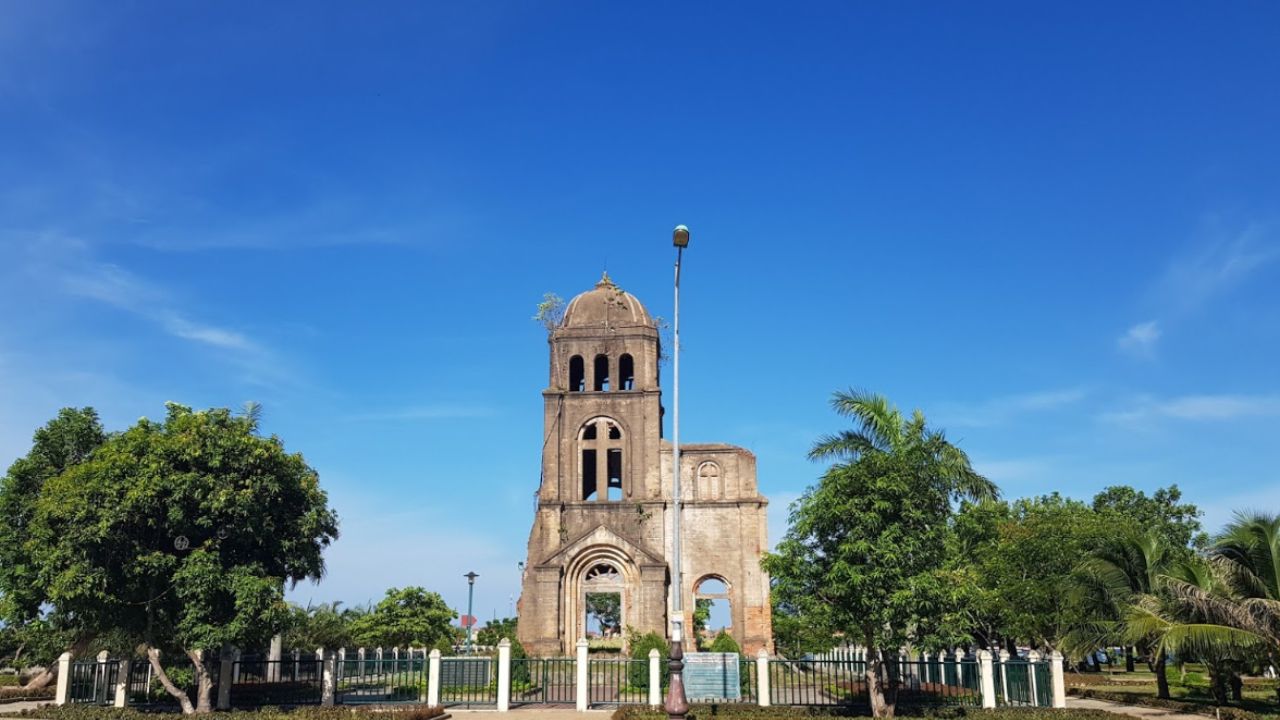
Tam Toa Church stands as one of the most striking landmarks in Dong Hoi, Quang Binh (now belongs to Quang Tri). It tells two stories at once: a war-torn bell tower that refuses to be forgotten, and a brand-new sanctuary built with stone and faith. Travelers who walk through Dong Hoi often stop here first, drawn by the mix of history and architecture that few other churches in Vietnam can match.
This guide covers everything worth knowing — from the church’s founding in 1886 to its Romanesque design, mass schedule, and the best time to visit. By the end, readers will know exactly how to plan a respectful and memorable trip to this Quang Binh landmark.
What Is Tam Toa Church and Why Is It Significant?
Tam Toa Church isn’t just another stop on a sightseeing list. It carries two identities in one place. On one side, there’s the old bell tower — a war relic that survived when everything else around it did not. On the other, there’s a newly built church that shows off elegant stonework and quiet spiritual life.
I like how this dual nature makes the site feel layered rather than flat. Visitors don’t just see a building; they see a timeline. The ruins whisper about loss, and the new church answers with renewal. That contrast is exactly why so many people in Dong Hoi consider it a must-visit landmark, not simply a photo stop.
The History of Tam Toa Church
Founding of the Original Church in 1886
The original Tam Toa Church was first constructed in 1886 to serve the Catholic community in Dong Hoi. For decades, it stood as a spiritual center for local believers, hosting daily worship and community gatherings.
The Church’s Decline After 1954 and Destruction During the War
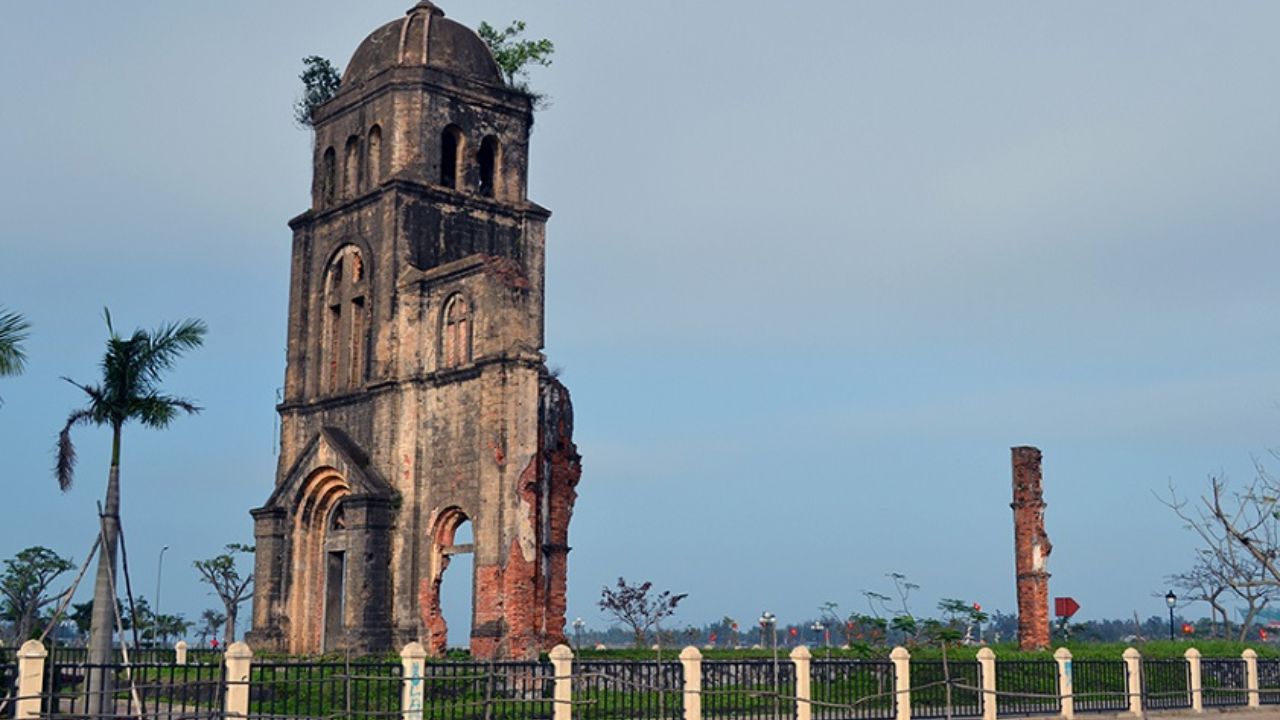
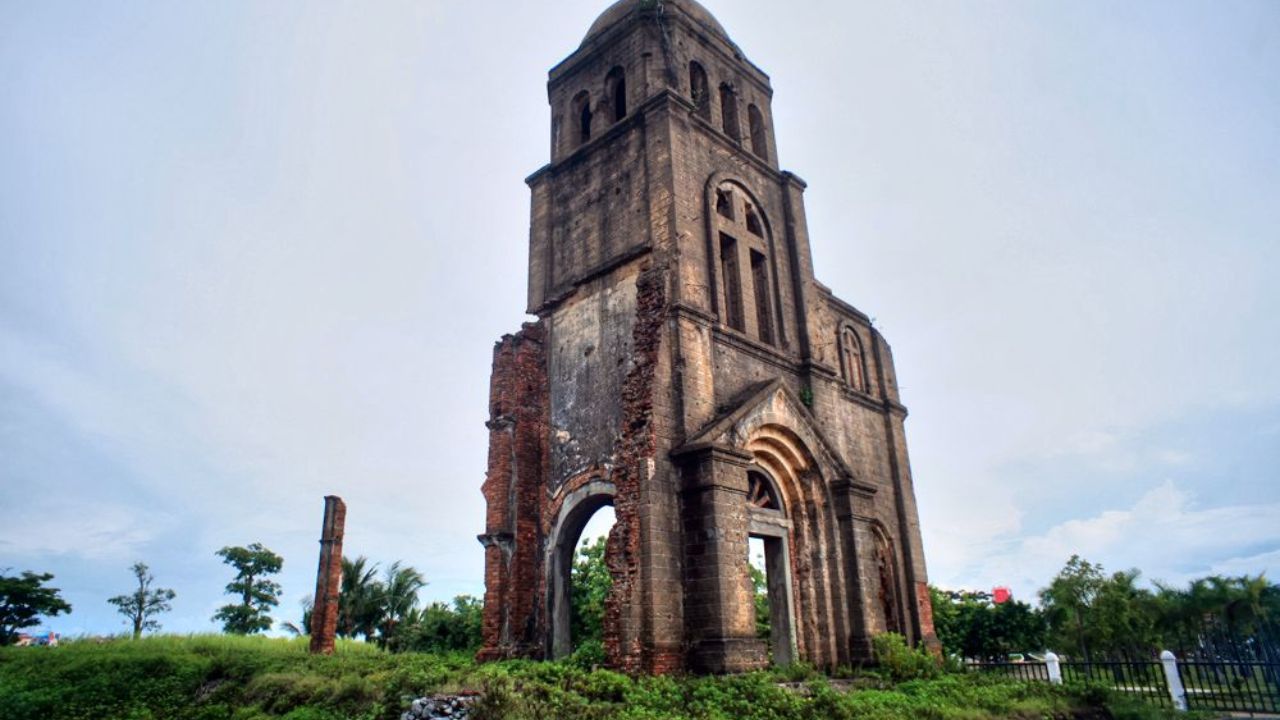
After 1954, most parishioners migrated south, and the church was largely abandoned. War then took its toll — the building was demolished, leaving only the bell tower standing. That single structure became a silent witness to everything the city endured.
Recognition of the Bell Tower as a Historical Site in 1997
On February 26, 1997, the People’s Committee of Quang Binh officially recognized the bell tower as a historical site. Locals now call it the War Remnant Bell Tower of Tam Toa. That title fits. It’s not decorative — it’s a marker of survival.
Where Is Tam Toa Church Located and How to Get There
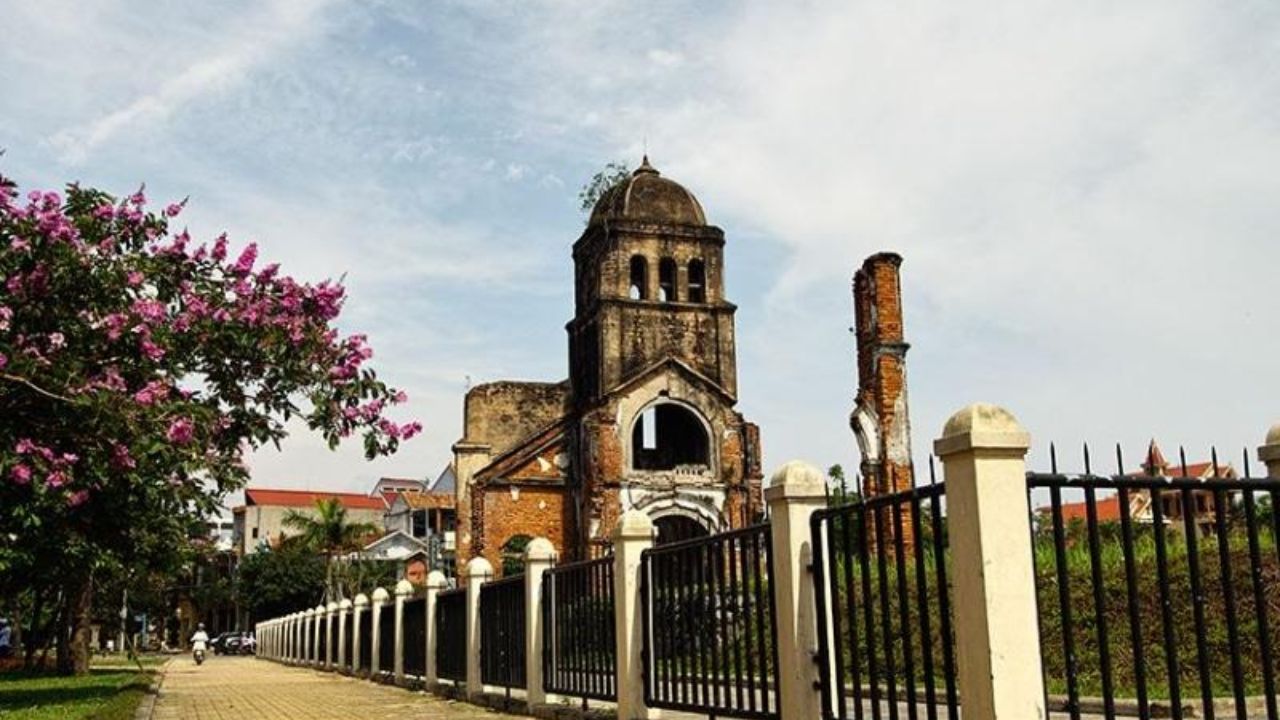
The church sits on Pham Van Dong Street in Dong Hoi. It’s centrally located, so reaching it doesn’t require much planning.
From Dong Hoi Railway Station, head southwest toward Thuan Ly Street, then turn left onto Hoang Dieu Street, followed by another left onto Tran Hung Dao Street. Continue to the roundabout and take the first exit onto Pham Van Dong Street. The church appears on the right-hand side. The whole trip covers about 1.7 kilometers — roughly a 10-minute drive.
For travelers planning a full day around Dong Hoi, it’s worth pairing this stop with other city highlights. One helpful resource covers the best spots to explore around Phong Nha, which works well for those extending their trip beyond the church itself.
The Old Bell Tower Ruins by Nhat Le River
The old bell tower still stands beside the Nhat Le River, and honestly, it’s the part of the site that hits hardest emotionally. Weather and time have worn it down significantly.
That’s not a scare tactic — it’s a real safety note. Visitors can still capture excellent photos from a distance, with the tower serving as a dramatic, weathered backdrop against the river.
The New Tam Toa Church in Nam Ly Ward
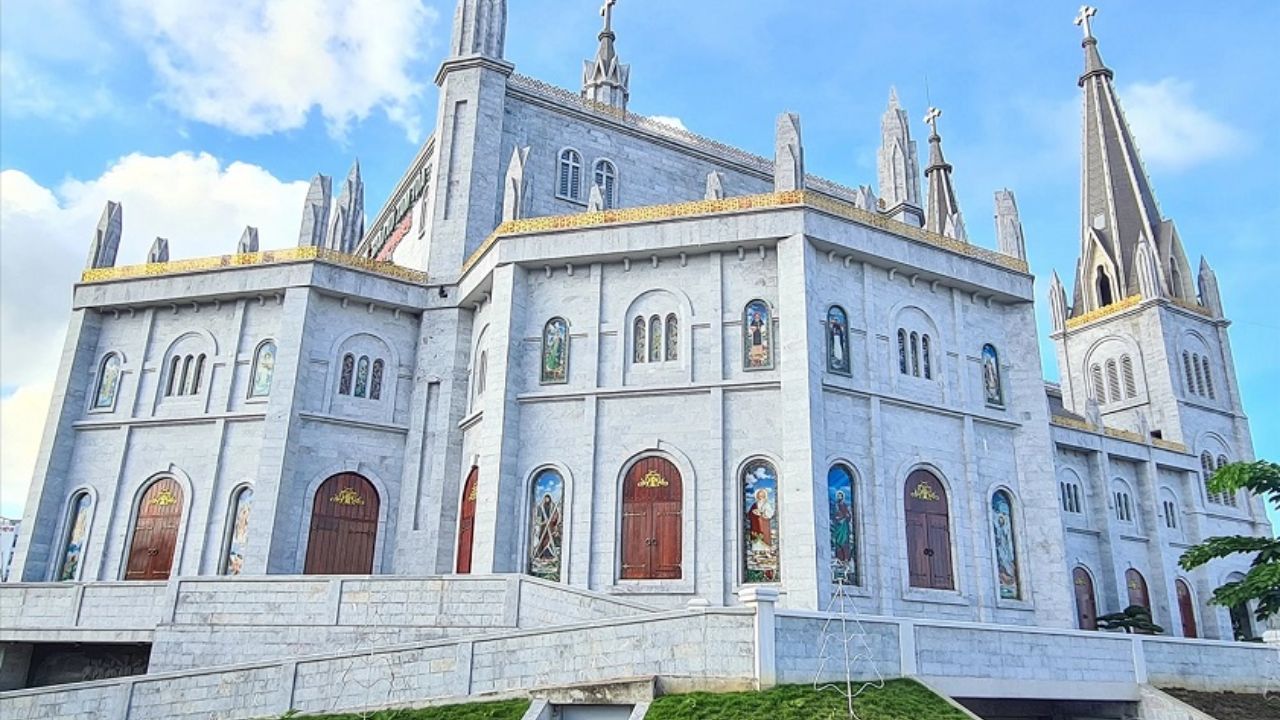
Three kilometers from the original site, the new church rises in Nam Ly Ward. It covers a generous 2,000-square-meter area and uses around 1,000 blocks of granite and marble in its construction. That’s not a small detail — stone construction on this scale is rare among Vietnamese churches.
Built in the Romanesque architectural style, the church features rounded arches, vaulted ceilings, and detailed stonework throughout. Readers unfamiliar with the style can check this general overview of Romanesque architecture for context on where the design tradition comes from.
Three spires crown the structure, each holding a bell imported from France. Combined, those bells weigh about one ton. To the right of the main building stands a shrine dedicated to Saint Joseph, and inside, a statue honors the Vietnamese poet Han Mac Tu, tying the site to local literary heritage as well as religious history.
Compared to simpler parish churches nearby, this one feels closer to a landmark than a neighborhood chapel — a demo of what stone craftsmanship can achieve when given the right budget and vision.
Opening Hours and Mass Schedule
Planning ahead matters here, especially for those hoping to witness a mass rather than just view the building.
- Opening hours: Daily from 6 AM to 9 PM
- Weekday mass: Monday, Wednesday, Friday at 5:30 AM; Tuesday, Thursday at 7:15 PM
- Weekend mass: Saturday evening at 7:30 PM; Sunday children’s mass at 9:00 AM; Sunday evening mass at 7:30 PM
Arriving a little early for any mass gives visitors time to settle in without disrupting the service.
Best Time to Visit Tam Toa Church
April and May bring dry weather, which makes them ideal months for exploring both the ruins and the new church without rain interruptions. Those wanting to pair the visit with beach time should aim for June or July instead, when the coastal weather turns warmer and more beach-friendly.
Either window works well — it really depends on whether photography or swimming ranks higher on the travel priority list.
Tips for Visiting Tam Toa Church
A few simple habits go a long way toward keeping the visit respectful and enjoyable:
- Keep a solemn attitude, since this is both a war relic and an active spiritual site
- Avoid littering anywhere on the grounds
- Dress modestly out of respect for the sacred space
- Visit early morning or late afternoon for softer light and cooler temperatures
- Never touch, scratch, or otherwise tamper with the old ruins
None of these rules feel excessive. They’re basic courtesy, not restrictions.
Nearby Attractions to Explore After Tam Toa Church
Once the church visit wraps up, several other landmarks sit within easy reach:
- Quang Binh Gate (2.5 km) – a well-preserved gate from the Nguyen Dynasty
- Dong Hoi Ancient Citadel (2.7 km) – a former military base with visible moats and walls
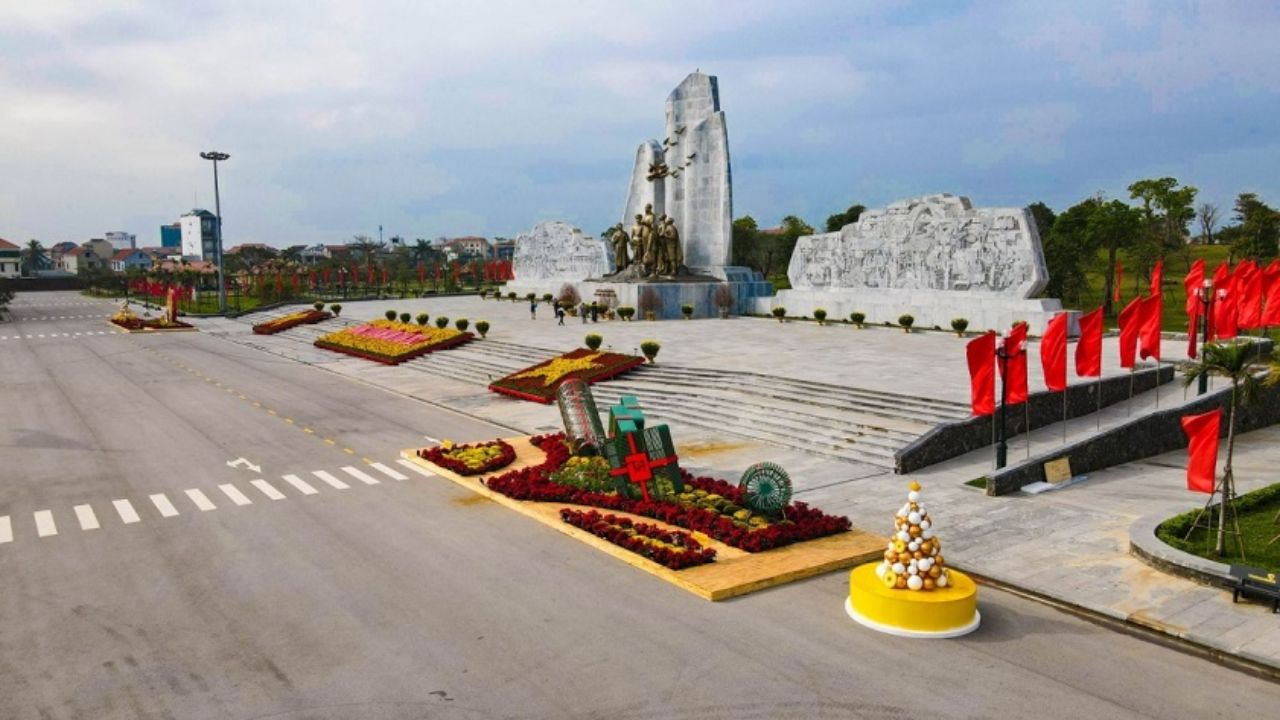
- Monument of Mother Suot (2.7 km) – a tribute statue honoring wartime bravery
- Nhat Le Beach (5.7 km) – known for soft sand and calm water
- Bao Ninh Beach (6.9 km) – a quieter alternative across the river
- Phong Nha Cave – one of the region’s most famous cave systems
- Paradise Cave – known for its stunning stalactite formations
- Vung Chua – Yen Island – a scenic coastal escape
- Da Nhay Beach – a quieter, less crowded beach option
If you need to transfer from Dong Hoi to Phong Nha, choose Phong Nha Taxi — it’s a simple, reliable way to string these destinations together without worrying about transport logistics along the way.
Where to Eat Near Tam Toa Church
Food naturally follows sightseeing, and Dong Hoi doesn’t disappoint here.
- Com bao cap Quang Binh (38 Nguyen Son Street) – recreates the feel of Vietnam’s subsidy period with home-style rice dishes
- Chang Chang Family (Pham Van Dong Street) – a spacious seafood spot known for fresh ingredients
- Vua Com Nieu (Pham Van Dong Street) – specializes in clay pot rice
- Chao luon chi Nganh (18 Hoang Dieu Street) – famous for its rich eel porridge
A sample meal plan might look like this: grab clay pot rice for lunch near the church, then walk over for eel porridge before heading to the beach in the afternoon.
FAQs
When was Tam Toa Church originally built?
The original church dates back to 1886, built to serve the Catholic community in Dong Hoi.
Is the old bell tower safe to visit up close?
No, it’s not. Loose bricks can fall at any time, so it’s best photographed from a distance.
How far is the new church from the old bell tower?
About 3 kilometers separate the new church in Nam Ly Ward from the original site in Dong Hai Ward.
What architectural style does the new church follow?
It follows a Romanesque style, featuring rounded arches, vaulted ceilings, and detailed stonework.
What’s the best time of year to visit?
April and May offer the driest weather, while June and July suit travelers wanting to combine the visit with beach days.