


Attractions
Dong Hoi Citadel: History, Architecture & Travel Guide
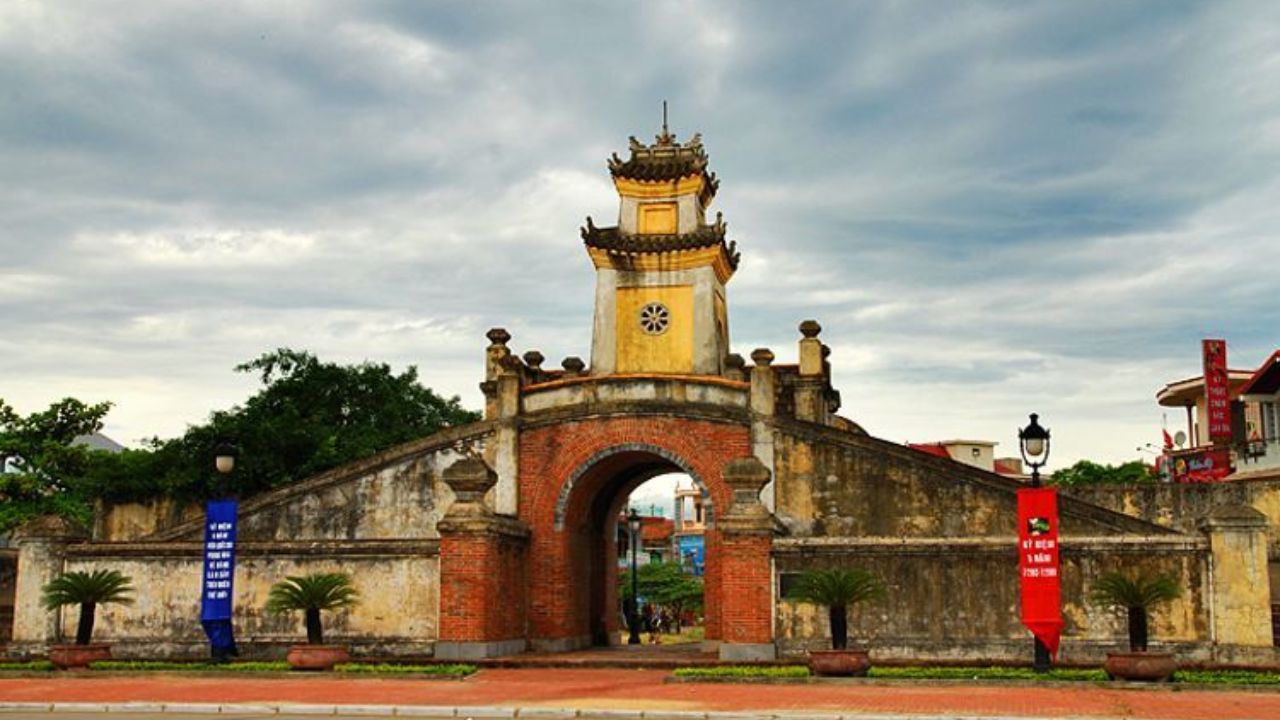
Dong Hoi Citadel sits quietly in the heart of Quang Tri Province, yet its walls carry almost four centuries of Vietnamese history.
This travel guide walks through everything worth knowing about the site — the history behind its construction, the Vauban-style architecture that shapes its walls and gates, how to reach it, the best season to visit, things to do once there, nearby attractions, and even the local food scene around it.
Whether the plan is a quick city stop or a full day exploring Quang Tri, this guide covers the details needed to make the trip worthwhile.
The History of Dong Hoi Citadel Through Four Historical Periods
Long before the Citadel stood in its current form, this land belonged to the ancient Champa Kingdom. Over time it became a frontier stronghold, shaped by war and strategic necessity. That backdrop matters, because it explains why so many rulers fought hard to control this exact patch of ground.
From Luy Thay Defense System to Dong Hoi Citadel
In 1630, facing repeated attacks from Lord Trinh, Dao Duy Tu advised Lord Nguyen Phuc Nguyen to build a stronger defense line. That advice led to the Luy Thay defense system, also called the Dao Duy Tu defense, completed after three years of construction. Unlike a simple wall, Luy Thay was engineered as a full blocking line meant to stop Trinh’s forces cold — and for over a hundred years, it worked.
Eventually, internal conflict weakened Dang Trong, and Lord Trinh captured both the Luy Thay defense system and the Phu Xuan imperial capital. Just over a decade later, in 1786, the Tay Son uprising rose up and overthrew both the Trinh and Nguyen regimes. King Quang Trung then ushered in a new era of national unification, though it wouldn’t last forever.
Construction Under King Gia Long and King Minh Mang
In 1801, Nguyen Anh launched a campaign to retake Phu Xuan and the old Luy Thay fortifications, defeating the remaining Tay Son forces. By 1812, as King Gia Long, he had Dong Hoi Citadel built with earth on that same strategic ground — a fortress meant to defend the region and control trade along both land and water routes.
That earthen citadel didn’t stay that way for long. In 1824, King Minh Mang ordered it rebuilt in brick, following the Vauban architectural style — a European military design known for angular, defensible walls. This is essentially the structure visitors see today. For readers unfamiliar with the term, Vauban-style fortresses were built to withstand siege warfare, and Dong Hoi Citadel is a solid, well-preserved example of that approach in Vietnam.
The Citadel During War and Reconstruction
During the French colonial period, the citadel drew attention almost immediately. The royal army’s resistance in 1885 ultimately failed, but local militias and everyday people refused to give up the fight. Later, during the resistance war against the United States, Dong Hoi Citadel endured bombing and heavy destruction — not unlike many historic sites across central Vietnam.
That line captures the spirit of what happened next. After national unification, the military and local people worked together to rebuild the homeland, restore historical sites, and reconstruct the citadel into what stands today.
Architecture and Design of Dong Hoi Citadel
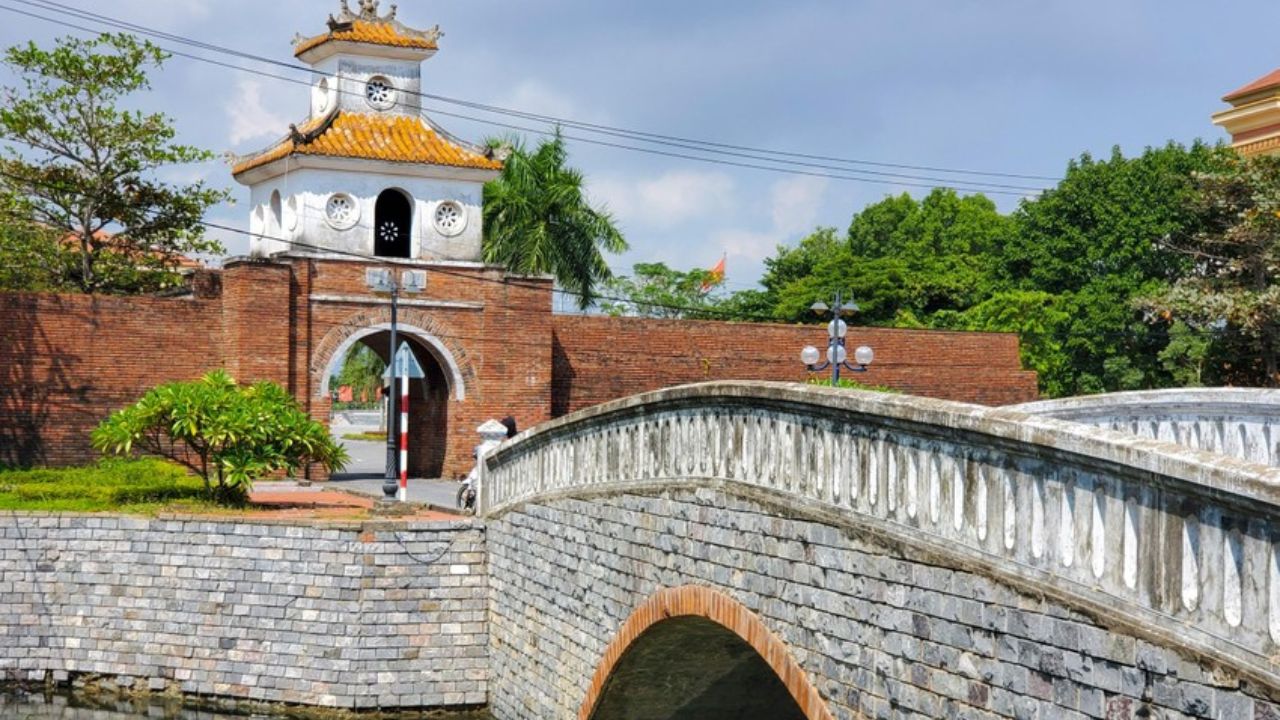
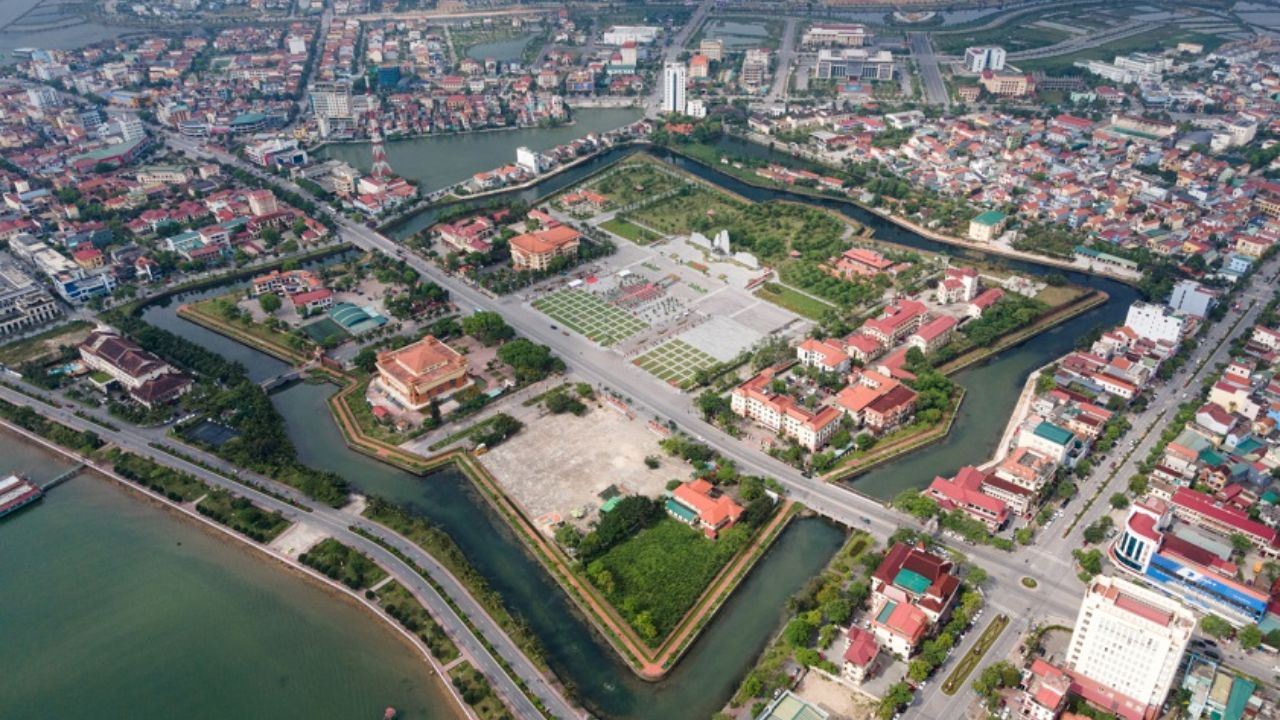
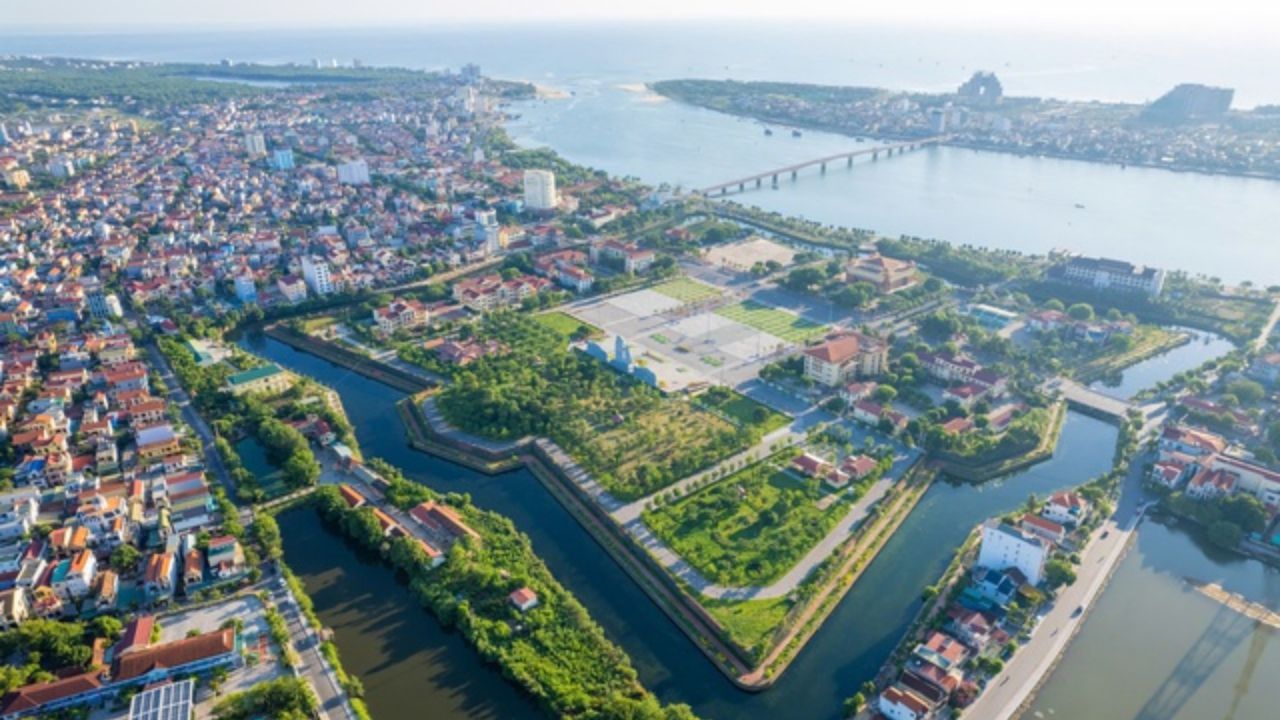
The current Dong Hoi Citadel stretches approximately 1,860 meters, built from brick in the Vauban style ordered by Minh Mang. It features three citadel gates — North, East, and South — and each one was deliberately staggered. That wasn’t an accident or a design flaw; it was a defensive tactic meant to stop outsiders from surveying the internal layout at a glance.
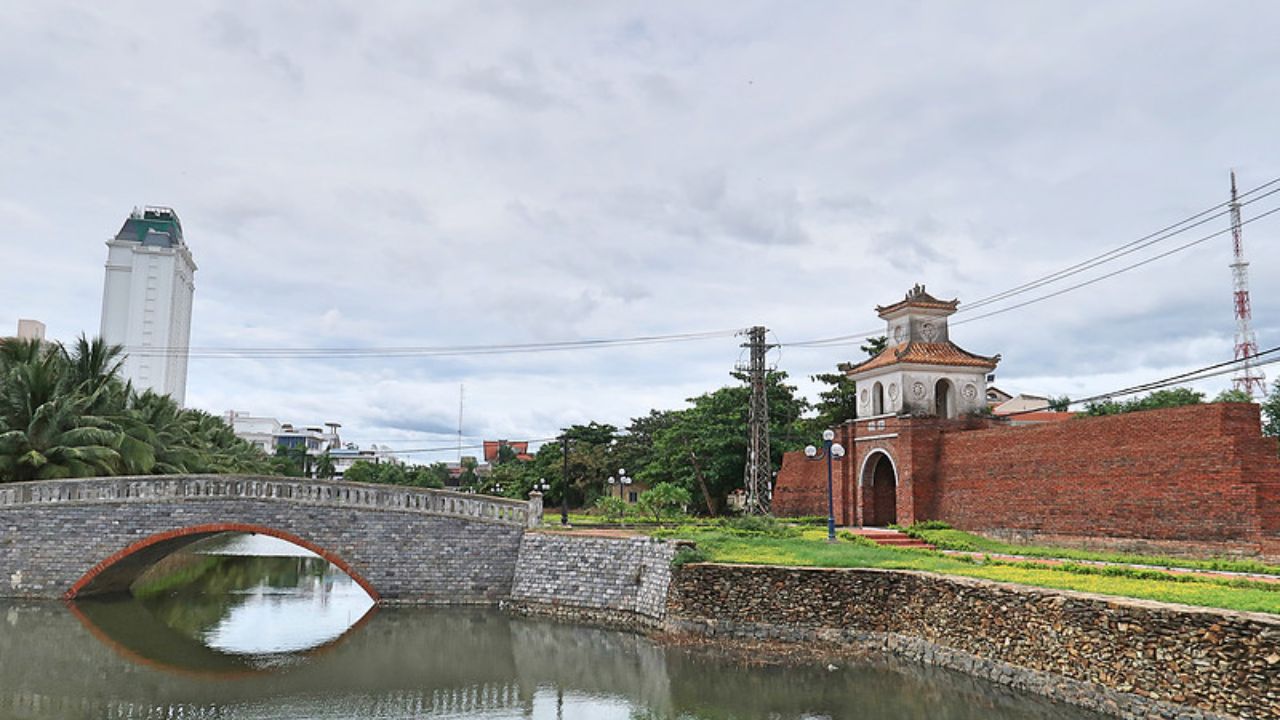
Surrounding the whole structure is a moat system, restored based on the original design, running along all four sides. Walking along the walls today, it’s easy to picture how this brick fortress once functioned as a real military stronghold rather than just a scenic backdrop.
For anyone interested in fortress architecture, comparing this Vauban-style layout to similar citadels in Hue or Da Nang gives a good sense of how consistent this military design was across 19th-century Vietnam.
How to Get to Dong Hoi Citadel
The Citadel of Dong Hoi is located on Le Duan Street, right in the center of Dong Hoi Ward, Quang Tri Province. Here’s a quick look at the distances from major cities:
- Hanoi: 486 km
- Hue: 165 km
- Da Nang: 269 km
- Ho Chi Minh City: 1,182 km
For travelers coming from Hanoi or Ho Chi Minh City, flying into Dong Hoi Airport is usually the fastest option, followed by a taxi, private car, or ride-hailing service to the citadel itself. Those coming by train or sleeper bus from Hanoi, Ninh Binh, Hue, or Da Nang can arrive at Dong Hoi Railway Station, about 3.6 km away, or Dong Hoi Bus Station, just 1.5 km away.
From Da Nang, Hoi An, or Hue, hiring a private car directly to the citadel is also an option, typically costing between 3 and 5 million VND. Once in the city center, getting around is simple — ride-hailing apps, taxis, or even walking will do, since most distances nearby are short.
You may want to know more about:
- How to get from Dong Hoi to Phong Nha
- Getting from Dong Hoi to Hue
- Best ways to travel from Dong Hoi to Hoi An
Best Time to Visit Dong Hoi Citadel
Timing matters more than people expect. I’d recommend planning around these seasonal windows:
- February to August – dry, sunny, and generally the most reliable stretch for outdoor sightseeing.
- March to May – arguably the sweet spot, with mild temperatures, minimal rain, and soft lighting that’s great for photos.
- June to August – stronger sun but clear skies, good for pairing the citadel with other city sightseeing.
- September to November – rainy season; checking the forecast before heading out is a smart move.
- December to February – cooler and quieter, ideal for travelers who like fewer crowds while exploring the history here.
What to Do at Dong Hoi Citadel
Once on site, there’s more to do than just glance at old walls. Visitors can explore the restored gates and the wartime relics scattered around the grounds. The layout of the walls, gates, and moat makes it fairly easy to imagine how the original defensive structure once worked — no imagination required, really, since so much of it has been preserved or rebuilt faithfully.
Photography here is genuinely rewarding. The ancient architecture creates a striking contrast against the modern buildings surrounding it, similar to how old citadels in other Vietnamese cities sit next to contemporary streets. Around the citadel, tree-lined walkways offer a relaxed spot to stroll, catch a breeze, and walk along the clear water of the moat.
For a deeper dive into the region’s past, the Quang Tri Museum nearby is worth a stop too — it adds useful context to what’s just been seen at the citadel itself.
Nearby Attractions Around Dong Hoi Citadel
The area around this Citadel isn’t short on things to see. In the city center, notable spots include Ho Chi Minh Square, the Mother Suot Monument, Tam Toa Church, and Quang Binh Gate. Each one adds a different layer to the historical picture of Quang Tri.
For travelers who’d rather relax or get active outdoors, Nhat Le Beach and the Quang Phu Sand Dunes (great for sandboarding) are both close by. And for those craving nature and geology, joining a tour to Phong Nha Cave, Paradise Cave, or Commander Cave — which offers a unique look at wartime transportation history — rounds out the trip nicely. Book a transfer from Dong Hoi to Phong Nha easily.
If there’s extra time in the itinerary, it’s worth checking out some exciting adventures waiting in Phong Nha, since the region offers a completely different kind of experience compared to the citadel’s historical setting — think caves, jungle trekking, and river swimming.
Local Specialties to Try Near the Citadel
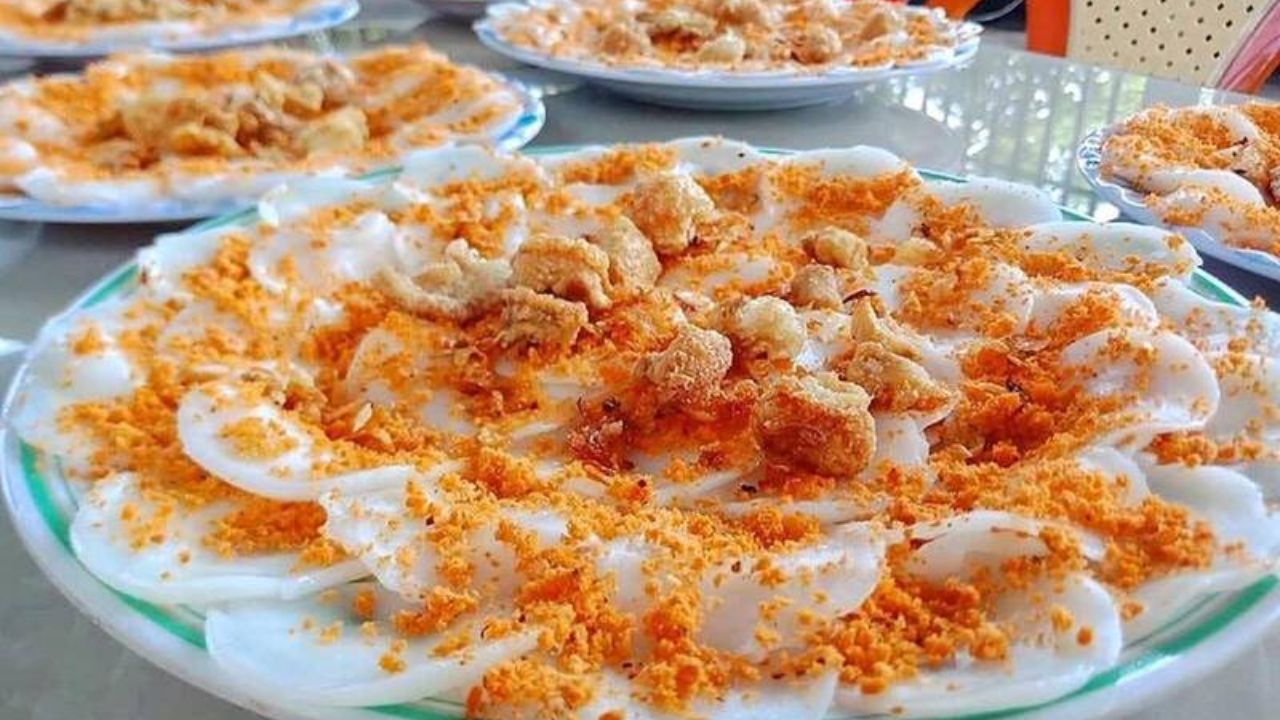
No trip to Quang Tri feels complete without trying the local food. Banh bot loc is probably the most famous dish here, available at well-known spots like Me Xuan, Di Thai, and Phu Quy. Beyond the traditional leaf-wrapped version, many shops now offer fried, steamed, and even frozen variations that travelers can take home as souvenirs.
Other dishes worth sampling include:
- Banh nam
- Banh beo with crispy shrimp
- Banh khoai
- Dong Hoi chao canh — a hot noodle soup with chewy noodles, rich broth, and a mix of fish or spring rolls
And for seafood lovers, restaurants along Nhat Le Beach serve fresh shrimp, squid, cuttlefish, clams, and snails — a solid way to end a day of sightseeing.
Travel Tips for Visiting Dong Hoi Citadel
Entrance to this Citadel is free, and most visitors spend around 1 to 2 hours exploring and taking photos. A few practical tips worth keeping in mind:
- Wear comfortable clothing and shoes — there’s a fair bit of walking involved.
- Bring a hat, sunglasses, and drinking water, especially during the sunny season from February to August.
- Pack an umbrella or raincoat during the rainy season to stay comfortable.
Not everyone needs the same setup, of course — a light day trip demands far less gear than a full day combining the citadel with the beach and nearby caves. Planning accordingly makes the whole visit smoother.
FAQs about visiting Dong Hoi Citadel
Is entrance to Dong Hoi Citadel free?
Yes, entrance is free, and most visits take about 1 to 2 hours.
What architectural style is Dong Hoi Citadel built in?
It follows the Vauban architectural style, rebuilt in brick under Emperor Minh Mang in 1824.
How many gates does Dong Hoi Citadel have?
Three gates — North, East, and South — each staggered for defensive purposes.
What’s the best time of year to visit?
February to August is generally best, with March to May offering the most pleasant weather for photos.
Are there good food options near the citadel?
Yes, local specialties like banh bot loc, banh beo, and fresh seafood along Nhat Le Beach are all close by.
Dong Hoi Citadel is more than a historic ruin — it’s a physical record of nearly 400 years of Vietnamese resilience, from the Luy Thay defense system through the Vauban-style rebuild under Minh Mang, right up through war and restoration. Combined with nearby attractions, local food, and easy access from major cities, it makes a rewarding stop for anyone exploring Quang Tri Province.