


Attractions
Hang En Cave: My Honest Guide to Vietnam’s Giant Cave Wonder
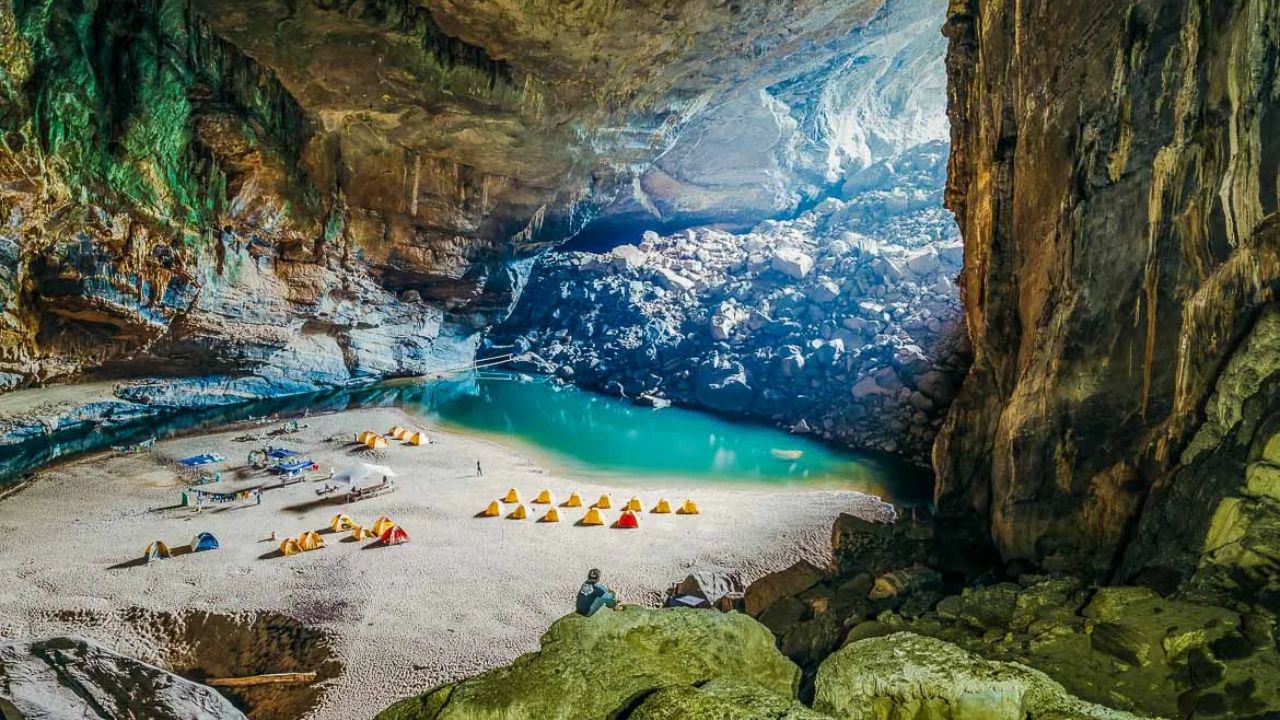
Hang En Cave is one of those places that people ask me about again and again, and honestly, I never get tired of talking about it. Sitting deep inside Phong Nha Ke Bang National Park, this cave is not just big, it is one of the largest caves in the world, and once you stand inside it, you will understand why.
In this guide, I want to walk you through everything, from how this giant cave was discovered, to the story behind its name, the people who once called it home, the geology that shaped it, the animals living inside, and of course, how you can actually book a tour and go see it yourself. So grab a cup of coffee, because we have a lot to cover.
Hang En Cave Overview
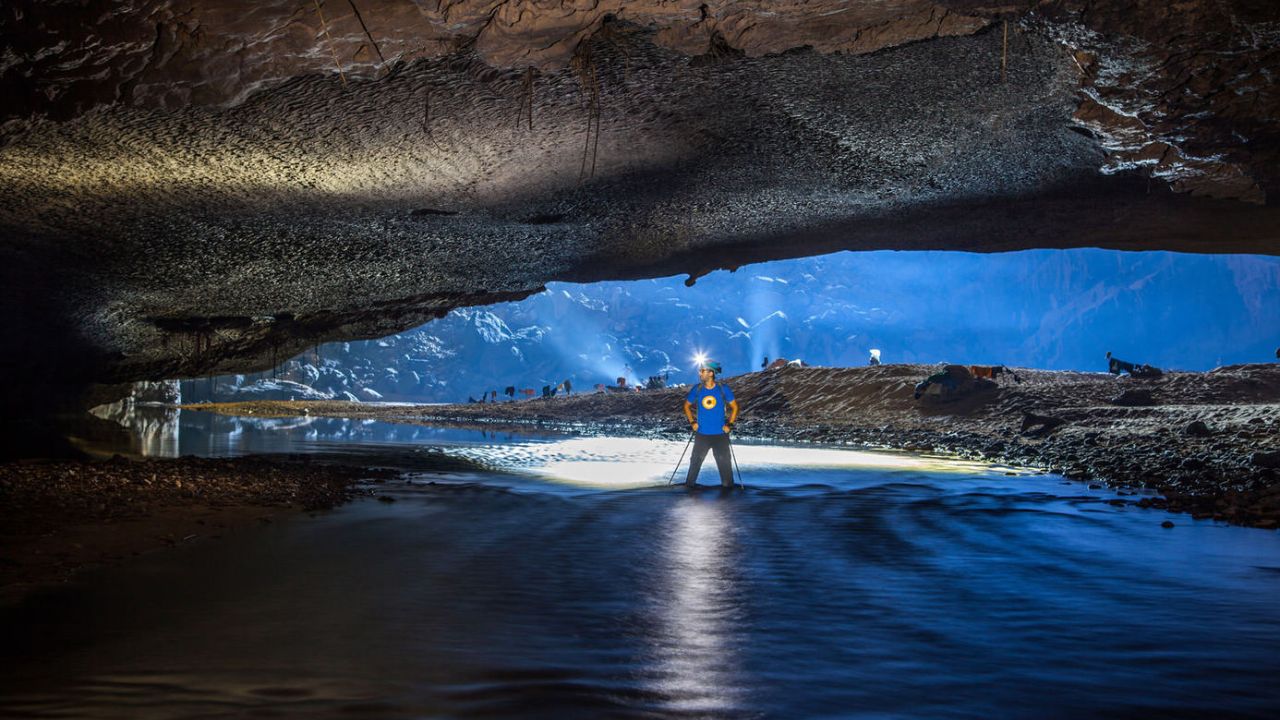
Let me start with the basics. Hang En Cave sits inside Phong Nha Ke Bang National Park, and it stretches through a limestone mountain with three entrances that reach up to 110 meters high.
The ceiling climbs to 145 meters at its tallest point, and the widest section of the passage opens up to 200 meters. That is wide enough to fit several football fields side by side, and yes, I have stood there just staring up, feeling tiny.
A clear stream, the Rao Thuong River, flows right through the cave floor. This river does not just sit there quietly either, since it eventually connects to Hang Son Doong, the famous Son Doong Cave connection that makes Hang En such an important stop on the underground map of Vietnam.
The cave stretches over 1.6 kilometers in length, with a volume reaching 6.7 million cubic meters, and it sits at an altitude of about 180 meters above sea level. When people ask me why locals call this the largest cave in the world, these numbers usually answer that question pretty fast.
How Hang En Cave Was Discovered
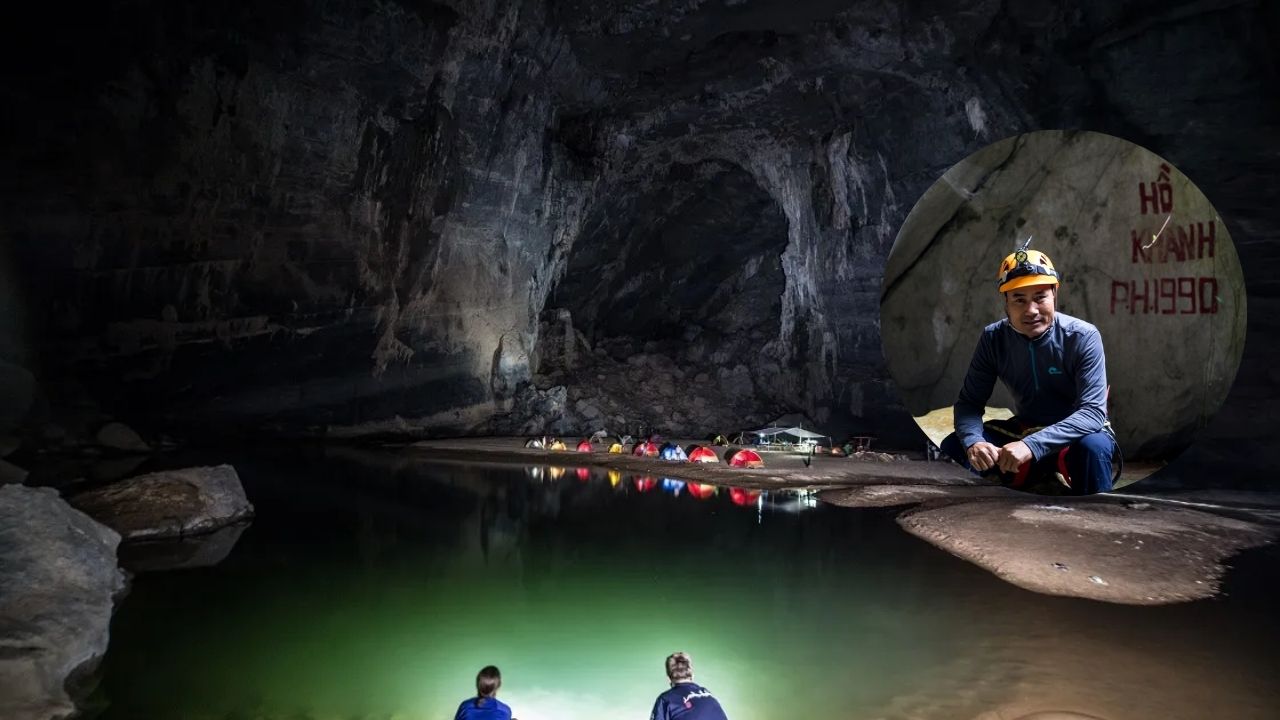
The Role of Ho Khanh and the British and Vietnamese Cave Exploration Team
Ho Khanh, a local man from Phong Nha, learned about the cave in 1990 while he was out searching for fragrant wood deep in the forest. He stumbled upon this massive opening almost by accident.
It was not until 1994 that the British and Vietnamese Cave Exploration Team came and properly surveyed it, so Ho Khanh discovered Hang En Cave first, but it took a few more years for the world to actually hear about it.
The 1994 Survey and Mapping
During their third expedition to the national park, the team hiked for three days just to reach the entrance. Once inside, they measured everything carefully, and that is when they confirmed the cave’s true scale.
Interestingly, while mapping the Rao Thuong River flowing through the cave, they realized there had to be another cave connected to it somewhere nearby. That hunch eventually led them straight to Son Doong Cave, so in a way, Hang En became the doorway to one of the greatest discoveries in modern caving history.
The Meaning Behind the Name Hang En
Here is something I love sharing with visitors. The word “En” means swift, and thousands of these small birds nest along the cave’s high ceiling every year. Watching them fly in and out during dawn or dusk feels almost magical, like watching a living cloud move through stone.
For the Arem people, swifts were not just birds to admire though. They were a main source of food, and catching them required serious climbing skill.
Young Arem men would prove they were ready for marriage by climbing all the way up the cave ceiling using handmade ladders from rattan and vines, a tradition tied directly to Arem people swift hunting. Some of those old vines are still preserved near the main chamber today, and seeing them still hanging there gives me chills every time.
The Arem People and Ban Doong Village
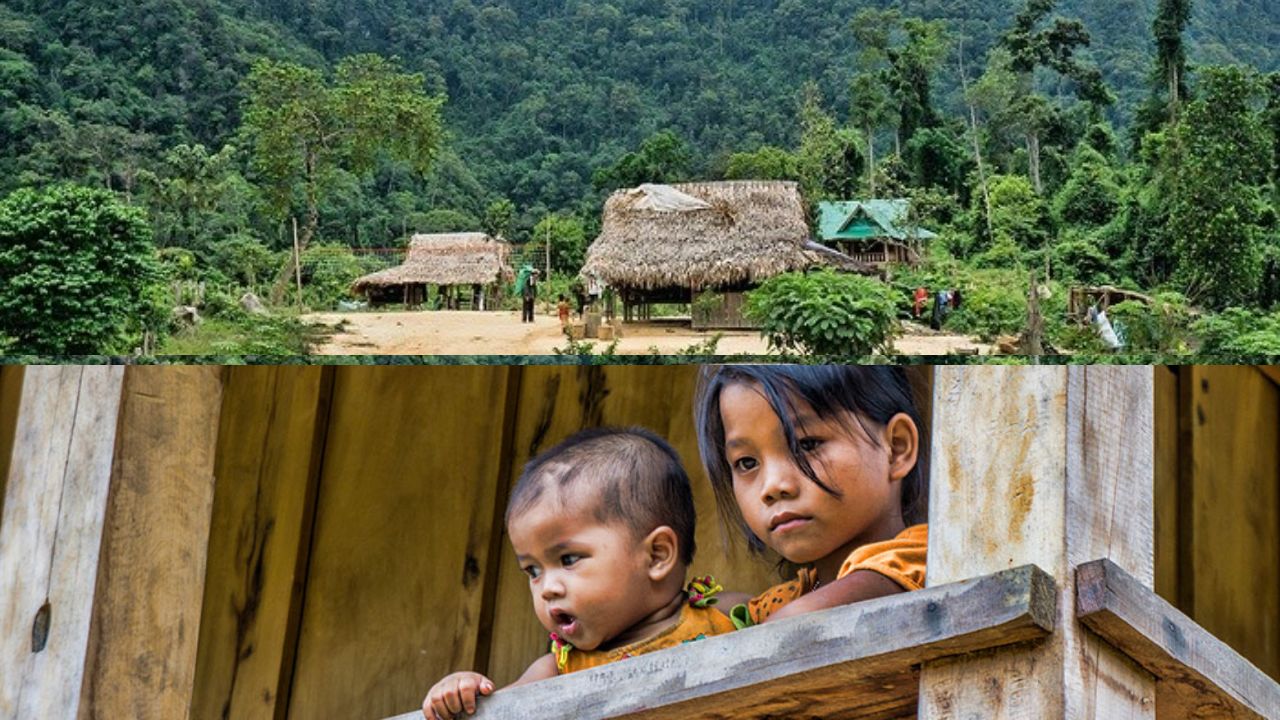
The Arem people are part of the Chut ethnic minority, and long ago they lived a nomadic lifestyle, moving through these forests and even sleeping inside caves like Hang En itself. Life was tough, built around hunting and foraging, but it also created a deep connection between these communities and the cave system.
Nearby, Ban Doong Village tells another story. It was founded in 1992 after a group of Bru and Van Kieu people had to leave their old home following a bad flood. What started as just five people has grown into a small community of 12 households and 52 residents.
During the Ban Doong Village trek, most tours stop here for lunch, and honestly, sitting down with locals, trying their food, and hearing their stories is one of my favorite parts of the whole journey. It is not something you read about in a brochure, it is something you feel.
Geology and Geomorphology of Hang En Cave
Now let us talk rocks for a moment, because the geology here is genuinely wild. Hang En sits on the same fault line as Son Doong, part of the oldest karst mountain system in Asia, formed somewhere between 400 and 450 million years ago. Despite that ancient foundation, the cave itself is considered fairly young, only about 2 to 3 million years old.
The cave was shaped slowly, over thousands or even millions of years, as the Rao Thuong River eroded through layers of limestone in the Hung Doong Valley. There are three entrances in total. The large entrance is the oldest one, and it is also where sunbeams shine through from December to March.
The small entrance is the usual way in for visitors, while the exit stretches wide and tall, eventually connecting toward Son Doong Cave after a short trek and climb.
Wildlife and Ecosystem Inside Hang En Cave
I always tell people not to expect a lifeless cave, because Hang En is surprisingly alive. Temperatures inside range from 20 to 25 degrees Celsius, so it does not feel dramatically colder than outside. Near the entrances and exit, you might spot squirrels, monkeys, or langurs, and during dusk, flying foxes come out to hunt.
Deeper inside, where sunlight fades, bats take over, along with centipedes, pseudoscorpions, and other small insects crawling along the cave floor.
Plant life is limited to areas close to natural light, where moss, algae, and fungi manage to survive. It is a reminder that even in complete darkness, nature finds a way to hold on.
How to Visit Hang En Cave
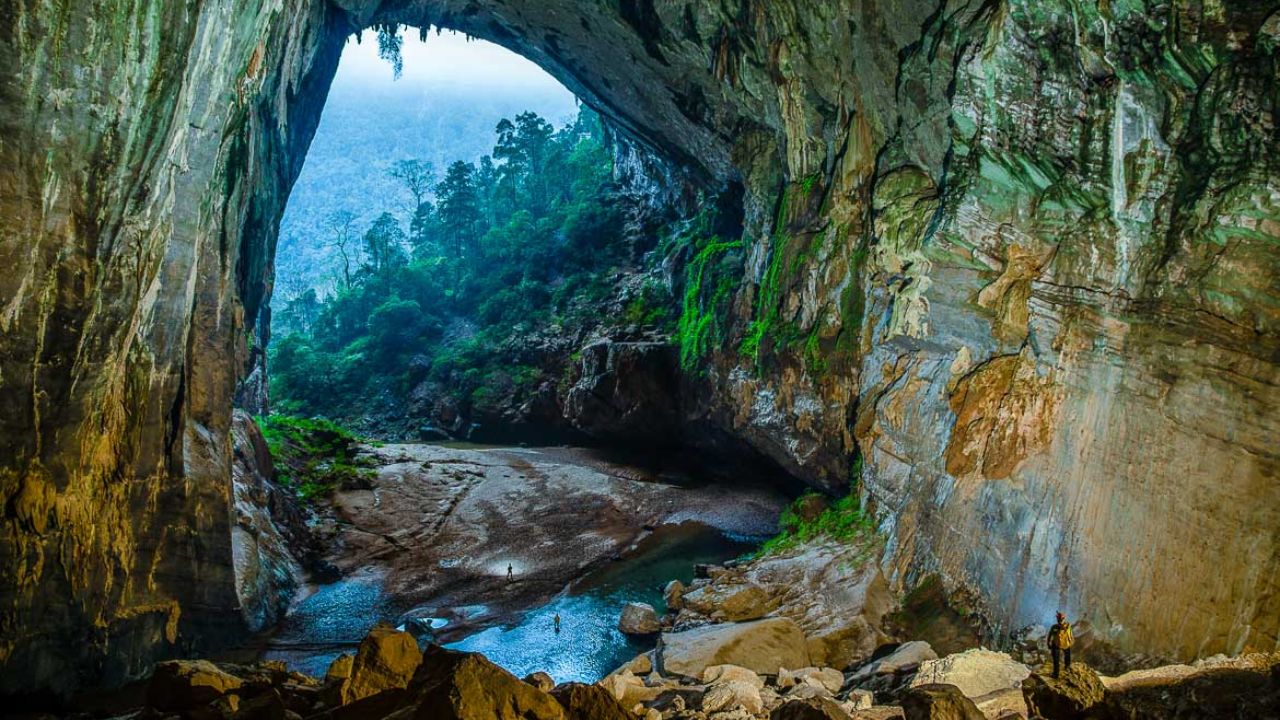
Here is the part everyone really wants to know. You cannot just walk into Hang En Cave on your own, since it sits deep inside protected national park land. Oxalis Adventure is the only company authorized to run tours here, and honestly, I like that this restriction exists, because it protects both the cave and the surrounding forest.
The journey itself involves a one day hike, passing over Ba Gian Hill and through Ban Doong Village along the way. If you are also planning your wider trip around here, I would suggest checking out a solid list of local highlights and experiences to round out your visit.
Hang En Cave Adventure Tour Details
The tour runs for two days and one night, with camping set up right inside the cave, which sounds intense, but it is actually one of the most peaceful nights of sleep I have ever had. Oxalis Adventure provides all the gear you need, including a helmet, headlight, floating rope, and tent, so you do not need to worry about bringing specialized equipment yourself.
The best season to go runs from December through September, since the tour does not operate during the rainy season when flooding becomes a real risk and the cave ecosystem needs time to recover. A few practical notes worth remembering:
- Minimum age to join is 16 years old
- Regular fitness is needed for river crossings and hilly terrain
- Trip includes crossing streams, climbing hills, and walking through dense forest
Hang En Cave in Film and Media
This cave has had its fair share of spotlight moments. Warner Bros filmed scenes at Hang En Cave for the movie Pan in 2015, drawn in by the massive ceiling and dramatic stalactite formations.
Before that, in 2011, Japanese broadcaster NHK produced a 3D documentary here called Feeling the Grandeur of Nature, which was later shown in 60 countries. Outlets like National Geographic and Lonely Planet have also featured the cave, which honestly makes sense once you have seen it in person.
Hang En Cave vs Son Doong Cave
People often ask me which cave they should choose, and I usually explain it like this. Hang En is more accessible, requires a shorter trek, and works well as either a standalone adventure or a warm up before tackling Son Doong later.
Son Doong, on the other hand, demands a longer, more expensive, and far more physically demanding expedition. As a sample comparison, think of Hang En as a demo version of the bigger underground world, while Son Doong is the full, unfiltered experience.
FAQs About Exploring Hang En Cave
Is Hang En Cave suitable for beginners?
Yes, it is considered a moderate level trek, so reasonable fitness is enough, though it does involve hills and river crossings.
Can I visit without booking a tour?
No, Oxalis Adventure is the only authorized operator, so independent visits are not allowed.
What should I pack for the trip?
Lightweight clothing, sturdy trekking shoes, and a rain jacket are usually enough, since the tour company provides camping and caving gear.
Is Hang En Cave connected to Son Doong Cave?
Yes, following the river valley from the exit for a few kilometers and climbing a short hill leads toward Son Doong.
When is the best time to visit Hang En Cave?
Anywhere between December and September works, with December to February being ideal if you want to see sunbeams shining into the campsite.
Pingback: How to get from Dong Hoi to Phong Nha